
Is Vulkem 45 SSL the Best Sealant for Horizontal Expansion Joints?
This guide explains where Vulkem 45 SSL fits, why the ASTM C920 Class 35 rating matters, and what to check before using it on horizontal concrete joints.

Detailed guidance on silicone, PU and MS polymer sealants—joint design, movement capability and durability in real builds.
This guide explains where Vulkem 45 SSL fits, why the ASTM C920 Class 35 rating matters, and what to check before using it on horizontal concrete joints.

The best shower caulk is not only the bead that looks clean on the first day. This guide explains how to choose, apply, and maintain shower caulk in real bathroom use.

PU mastic sealants are used on moving joints, concrete gaps, facade edges, and paintable weatherproofing jobs. This guide explains where they fit, how to specify them, and what buyers should check before bulk orders.
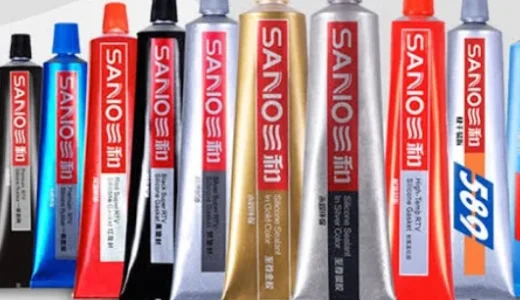
High temperature RTV silicone is a high performance sealant that can resist high heat, vibration, and chemicals. Automotive, aerospace, and industrial applications typically require the use of a sealant that is superior to standard…
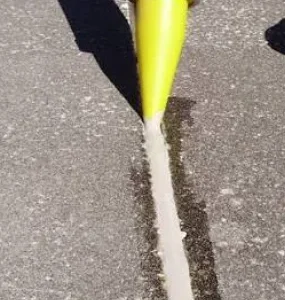
The selection of the most suitable joint sealant is critical in ensuring the long term performance of buildings. Sealing the joints in buildings protects against water penetration, air leakage and other damage caused by…
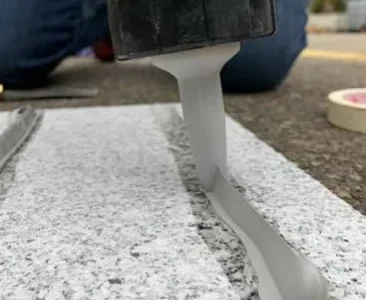
Polyurethane sealant is a flexible material used in construction, automotive and industrial markets. Most polyurethane sealants are suitable for a number of structural and finish applications, particularly those that feature moving parts, that are…
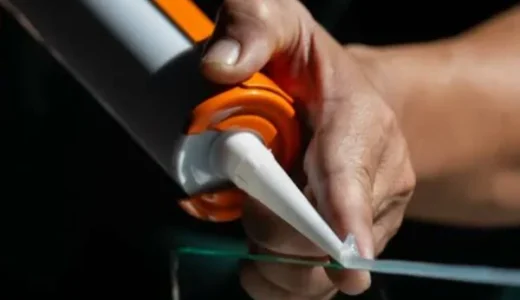
Sealants made of silicone, a relatively new type of sealant, offer durability, flexibility and a strong adhesion to different types of materials. These properties allow it to prevent the penetration of water and moisture…


