Sealing concrete basement floor surfaces for moisture control and durable finishes
Sealing concrete basement floor surfaces is useful when the slab is structurally sound, reasonably dry and properly prepared. A suitable sealer can reduce concrete dust, improve cleanability, limit surface staining and help manage moderate moisture vapor before tile, carpet, vinyl or a coating system is installed. It cannot, however, correct standing water, rising groundwater, poor exterior drainage or hydrostatic pressure on its own. The practical sequence is to identify the moisture source, test the slab when a flooring system depends on adhesion, repair cracks and joints, and then select a sealer or moisture-control system that matches the basement condition rather than choosing the highest-build coating by default.
Why basement slabs need a different sealing strategy
A basement floor is not the same as a garage slab or an above-grade interior floor. It sits below or near grade, where ground moisture, seasonal water table changes and cooler surface temperatures can affect performance. Even when the floor appears dry, vapor can move upward through concrete pores and joints. If that vapor reaches a cold surface, or if it is trapped below an impermeable finish, the result can be damp carpet, adhesive failure, blistered coatings, musty odors or efflorescence.
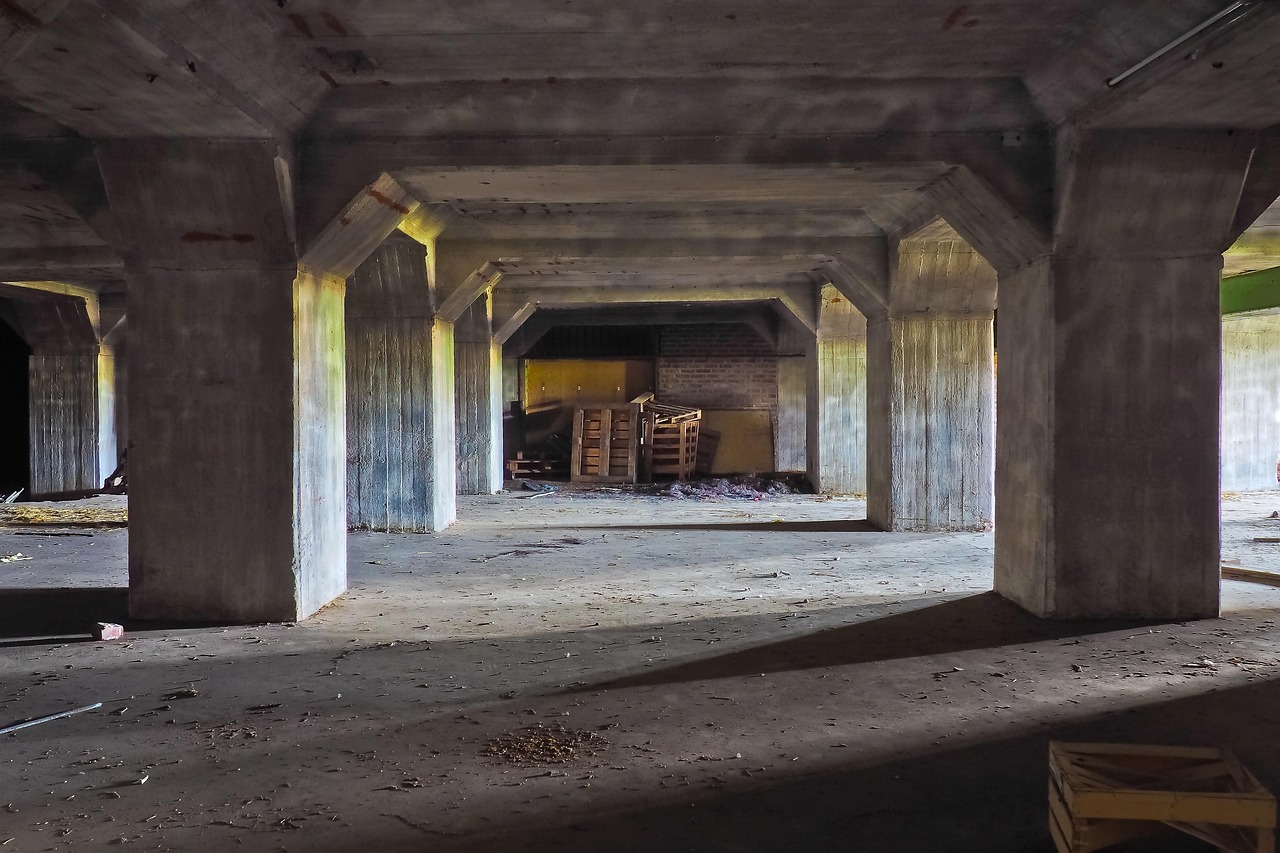
The U.S. Environmental Protection Agency’s moisture-control guidance treats basement and slab moisture as a building-design issue, not simply a surface-cleaning problem. It recommends controlling liquid water, providing drainage and using vapor retarders below new slabs where appropriate. Building codes also recognize the importance of underside vapor control: the 2024 International Residential Code includes provisions for a polyethylene vapor retarder beneath basement floor slabs, subject to local adoption and exceptions.
That distinction matters in existing basements. Many older homes may not have an effective under-slab vapor retarder, and the owner may not know whether one was installed. Sealing from the top can improve the exposed surface, but it does not recreate a continuous under-slab barrier. The goal is to reduce risk based on actual conditions, not to assume one coating can reverse every moisture condition below the floor.
Start by identifying the moisture source
Before sealing, separate the common basement moisture problems. They can look similar at first, but they require different responses.
- Surface spills and normal indoor humidity: These are usually managed with cleaning, ventilation, dehumidification and an appropriate floor sealer.
- Condensation: Warm, humid air can condense on a cool slab. Sealing may make cleaning easier, but humidity control and insulation strategy are usually more important.
- Vapor transmission through the slab: Moisture vapor can move upward through porous concrete, especially where no under-slab vapor retarder is present. Testing is important if a moisture-sensitive finish will be installed.
- Bulk water or hydrostatic pressure: Water entering through cracks, wall-floor joints or below-grade pressure should be addressed with drainage, grading, sump, crack repair or waterproofing measures before a floor sealer is considered.
A taped plastic-sheet observation can show whether moisture is collecting under the sheet, but it is not a substitute for recognized moisture testing when resilient flooring, carpet tile, wood systems or impermeable coatings are planned. Treat it as a screening step, not a project specification.
Use moisture tests when a finish depends on adhesion
If the basement floor will remain an exposed utility surface, a breathable penetrating sealer may be enough after cleaning and crack repair. If the floor will receive epoxy, vinyl plank, sheet flooring, rubber flooring, carpet adhesive or another moisture-sensitive system, testing becomes more important.
ASTM F2170 is the recognized method for measuring internal relative humidity in concrete floor slabs using in-situ probes. ASTM F1869 measures moisture vapor emission from the slab surface using anhydrous calcium chloride. ASTM notes that test results represent conditions at the time and location of testing, so they are not a permanent guarantee. Seasonal changes, groundwater movement, HVAC operation and new floor coverings can change slab conditions later.
Manufacturers set their own allowable limits for sealers, adhesives and flooring. Those limits are not interchangeable. One coating may tolerate higher internal relative humidity than another; one vinyl flooring system may require a specific test method while another may allow a different method. The sealer or flooring manufacturer’s technical data should be checked before work begins, not after a failure appears.
| Basement condition | Best direction | Important limitation |
|---|---|---|
| Dry, dusty concrete with no planned floor covering | Clean and apply a penetrating concrete sealer or densifier-compatible treatment | Improves dust control but may not block significant vapor movement |
| Minor vapor concern before a coating | Moisture test, then select a compatible primer or coating system | Only valid within the product’s tested limits |
| High moisture readings but no liquid water | Consider a dedicated moisture mitigation system specified for concrete slabs | Requires strict surface preparation and manufacturer approval |
| Active leaks, puddles or water at wall-floor joint | Fix drainage, cracks, sump or waterproofing first | A floor sealer alone is not a water-control system |
Choose the right sealer type for the basement use
Concrete sealers are commonly grouped into penetrating sealers and film-forming coatings. The right choice depends on whether the basement is used for storage, workshop space, finished living area or as a substrate for another floor.
Penetrating sealers
Penetrating sealers absorb into the concrete rather than forming a thick surface film. They are often used to reduce water absorption, dusting and staining while keeping the surface appearance relatively natural. In basements with moderate vapor movement, this can be safer than applying a thick, impermeable coating without testing. Penetrating products are not all the same, however. Some are water repellents, some are densifiers and some are marketed for specific substrate conditions. They are usually not a complete vapor barrier.
Acrylic and other light-duty topical sealers
Acrylic sealers can improve appearance and cleanability, but they are generally not the first choice where slab moisture is uncertain. They may soften, whiten or lose adhesion if exposed to trapped moisture. In a dry basement used for light storage, they can be practical. In a finished basement with moisture-sensitive flooring above, they may be the wrong layer unless specifically approved in the flooring assembly.
Epoxy and polyurethane coating systems
Epoxy and polyurethane systems can create a durable, cleanable surface when the slab is properly prepared and moisture conditions are within the system’s limits. They are common in workshops, laundry areas and utility rooms. The risk is that a strong film can also trap vapor pressure. If vapor movement is high, the coating may blister or detach. A dedicated moisture mitigation primer or membrane may be required, and surface preparation typically involves mechanical profiling rather than a quick rinse.
Moisture mitigation systems
Two-component resin-based moisture mitigation systems are designed for slabs that exceed the moisture tolerance of standard flooring adhesives or coatings. ASTM F3010 is commonly referenced for membrane-forming moisture mitigation systems used under resilient floor coverings. These systems are more technical than general-purpose basement sealers. They require verified moisture data, substrate preparation, coverage-rate control and compatibility with the final floor assembly.
Prepare the slab before any sealer is applied
Most basement floor sealer failures start before the can is opened. Concrete contaminated with dust, old adhesive, curing compounds, paint residue, oil, efflorescence or laitance will not provide reliable bonding. Preparation should be matched to the product, but the same basic sequence applies in most projects.
- Remove loose material: Sweep, vacuum and scrape until the surface is stable.
- Clean contamination: Use appropriate cleaners for oil, adhesive residue or dirt, then rinse and allow the slab to dry as required by the product.
- Address efflorescence: White crystalline deposits indicate moisture movement carrying salts to the surface. Cleaning alone is not enough if the moisture source remains active.
- Repair cracks and joints: Use a compatible crack filler or repair mortar. Moving cracks may need a flexible treatment rather than a rigid patch.
- Profile the surface: Many coatings require mechanical abrasion or grinding to create a suitable concrete surface profile.
- Confirm dryness or test results: Do not rely only on how the slab looks on a dry day.
Acid etching is sometimes suggested for concrete preparation, but it is not always appropriate in basements because rinsing can add moisture and residues may remain in pores. Mechanical preparation is often more predictable for coating systems, especially when adhesion is critical.
How to avoid trapping moisture under a sealed floor
The main risk in sealing a basement floor is not using too little product; it is using the wrong product for the moisture condition. A thick impermeable layer over a damp slab can move the problem rather than solve it. Vapor may collect at the bond line, salts may concentrate at the surface, and adhesives may fail under flooring. See also: Membranes.
Use this decision path before sealing:
- If there is standing water, seepage or a wet wall-floor joint, stop and correct water entry first.
- If the slab is dry but dusty, a penetrating sealer may be enough for an exposed concrete surface.
- If a decorative or protective coating is desired, check moisture limits and surface profile requirements before selecting the coating.
- If a finished floor will be installed, follow the flooring manufacturer’s testing and underlayment instructions rather than assuming a general concrete sealer is acceptable.
- If readings exceed the flooring or adhesive limit, use a specified mitigation system or change the floor assembly.
For broader construction and application topics, Realloong’s Applications section collects practical building-material discussions for readers comparing methods and field constraints.
Common mistakes when sealing a concrete basement floor
Sealing too soon after water intrusion. A floor that looks dry after a leak may still hold moisture internally. Sealing immediately can trap that moisture below a coating or floor covering.
Ignoring exterior drainage. Basement floor moisture is often connected to gutters, downspouts, grading, footing drains or sump performance. Interior sealer cannot compensate for chronic water loading outside the foundation.
Using paint as a moisture barrier. Standard floor paint is not a moisture mitigation system. It may improve appearance for a short time, but it is not designed to handle vapor pressure or damp concrete.
Skipping manufacturer limits. Every sealer, primer, adhesive and flooring product has its own requirements for moisture, pH, temperature, surface profile and cure time. Mixing systems without checking compatibility increases failure risk.
Covering odor problems instead of diagnosing them. Musty odor may come from moisture in carpet padding, framing, stored goods or wall assemblies. A sealed slab may help with cleaning, but it will not remove hidden damp materials.
Frequently asked questions
Should a concrete basement floor be sealed before flooring?
It depends on the flooring system. Some floors require a primer, vapor retarder, underlayment or moisture mitigation layer; others prohibit certain sealers because they interfere with adhesive bond. Test the slab and follow the flooring manufacturer’s instructions rather than applying a generic sealer first.
Can sealing stop water from coming through the basement floor?
Sealing can reduce surface absorption and may help manage limited vapor movement, but it should not be relied on to stop active leaks or hydrostatic pressure. Bulk water requires drainage, crack repair, sump improvements or waterproofing measures appropriate to the source.
Is epoxy a good choice for a basement floor?
Epoxy can be a good basement floor finish when the slab is clean, properly profiled and within the coating system’s moisture limits. It is risky on damp slabs unless a compatible moisture mitigation system is specified.
Do older basement slabs need special caution?
Yes. Older slabs may lack an effective under-slab vapor retarder, may have unknown repairs and may contain old coatings or adhesives. Moisture testing and careful surface preparation are especially important before applying impermeable coatings or finished flooring.
How long should a sealed basement floor cure before use?
Cure time depends on the product, temperature, humidity and air movement. Light foot traffic, heavy storage and floor covering installation may all have different waiting periods. The product data sheet should control the schedule.
Bottom line
Sealing a concrete basement floor works best when it is treated as part of a moisture-control assembly, not as a one-step fix. Diagnose water sources first, test when a finish depends on adhesion, choose a sealer that matches the actual condition and prepare the slab carefully. For a dry utility basement, a penetrating sealer may be enough. For a finished basement, the safer path is a tested, compatible system that accounts for vapor, surface preparation and the final floor covering.