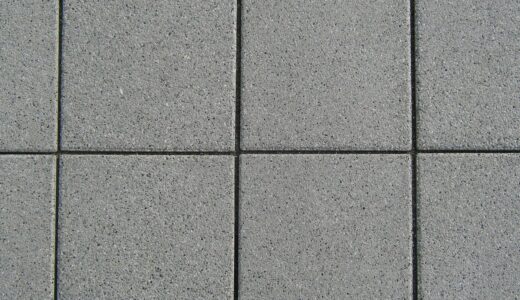
Construction Joint Sealant Applications in Buildings
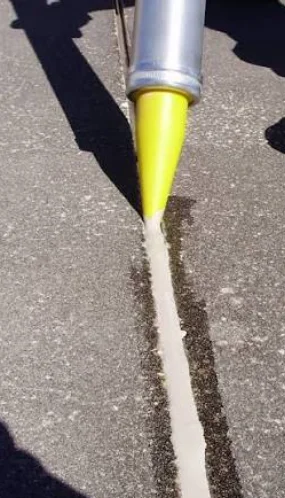
The selection of the most suitable joint sealant is critical in ensuring the long term performance of buildings. Sealing the joints in buildings protects against water penetration, air leakage and other damage caused by movement or other environmental factors. High performance buildings rely on the correct joint sealant to operate efficiently and to provide comfortable conditions for its occupants. In this article we shall investigate the technical issues affecting joint sealants, the many different types of sealants available, their performance criteria and how they can be put to best use in a variety of building applications.
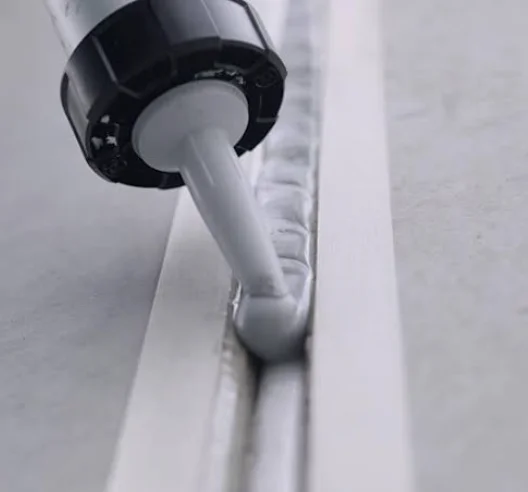
What Are Construction Joint Sealants and Why Are They Important?
Construction joint sealants are used to fill in joints between the various components of a building, to allow for movement while keeping the joint watertight and airtight. The main function of joint sealants is to seal the joint but their ability to be flexible in order to accommodate thermal expansion as well as other movements within the building structure is equally important.
Definition and Functional Role
A construction joint sealant is a flexible material, usually a polymer, used to fill joints between concrete slabs, walls, panels and building façades. The key function of a sealant in construction joints is to allow for the differential movement of the adjacent building components without developing cracks in the seal or losing adhesion. Most sealants are made from silicones, polyurethanes, polysulfides and so-called hybrid systems. The choice of a type of sealant is mostly based on the expected exposure conditions such as UV-radiation and chemical contact. Each type of sealant has its own set of advantages and will perform better in certain situations.
Structural Movement Control
Sealants allow for dynamic stresses caused by wind, earthquakes and other temperature changes. As an example, the expansion joints in a high-rise facade can expand by several millimeters on a daily basis. If there were no flexible sealant, then the stresses would propagate in the form of cracks through the rigid building components like concrete or glass.
Weatherproofing and Durability
In exterior applications, such as façades and structural joints, joint sealants are the first line of defense against penetration of moisture into a building. Used in conjunction with backer rods and sealant primers, they can prevent damage caused by freezing and thawing as well as corrosion of any embedded steel. A good quality sealant remains elastic for more than 10 years, even in extreme weather conditions.
How Do Different Types of Sealants Perform in Building Applications?
The performance of a construction joint sealant is determined by its chemical makeup and curing process. As a result, the selection of a suitable sealant is generally a function of substrate compatibility and service conditions.
Silicone-Based Sealants
Among other sealants for curtain walls and glazing systems, silicone sealants offer best UV-resistance and very long lasting elasticity. This makes them ideal for a wide temperature-range from -50°C up to +150°C. Neutral-cure silicones are recommended for sensitive surfaces like aluminum or natural stone, because they do not release any corrosive by-products during the curing process.
Polyurethane Sealants
Polyurethane (PU) sealants have good adhesion to porous surfaces like concrete and masonry. Although they have better resistance to abrasion than silicones their performance in prolonged sunlight can be inferior unless covered with a layer of UV-resistant paint. For that reason they are often used in floor joints in for example parking garages and industrial buildings where mechanical wear is the biggest issue.
Hybrid Sealant Technologies
Silicone offers superior weathering but very low mechanical strength. Hybrid polymers of the new generation are filled with both attributes. The hybrids that are moisture-curing in design are 100% solvent-free and even in that state have low VOC emissions. They are therefore eligible for building with sustainable resources and also comply with the requirements for receiving a LEED certification.
Where Are Construction Joint Sealants Most Commonly Applied?
The various areas where sealants can be applied differ greatly between different types of buildings. Most applications for sealants are designed to fill and bridge the joints of materials, ensuring they can contract and expand without losing a seal between them.
Façade Systems
Sealants for curtain walls or precast concrete façades are used between panels. Often they are of the same color and hide from view. The decision of which sealant to use can be determined by color stability and staining resistance by environmental pollutants.
Flooring Joints
For industrial floors, warehouses and car parks, the joint sealants prevent water penetrating into the subgrade, whilst allowing for the slab to move due to load cycles. Semi-rigid fillers made from an epoxy resin are used in conjunction with the elastic PU joints in order to achieve optimal use with forklifts and heavy traffic.
Roofs and Wet Areas
Sealing of roofs and bathrooms requires waterproofing. In these applications high elasticity sealants such as silicone-based or bituminous-modified sealants are suitable for long-lasting adhesion under high moisture exposure. These products have to be compatible with the waterproof membrane in order to prevent early failure.
What Are the Key Factors Affecting Sealant Performance?
Even the highest quality of products can fail when bad installation conditions are applied or important design parameters are not taken into account.
Substrate Preparation
Adhesion depends heavily on surface cleanliness and dryness. Dust, oil residues, or laitance reduce bonding strength dramatically. Many manufacturers recommend priming porous surfaces before applying the main bead to enhance adhesion consistency.
Joint Design Parameters
The joint width-to-depth ratio affects the stress distribution throughout the various phases of a part’s intended motion. A general rule of thumb for most elastomeric materials is that the depth of a joint should be approximately one-half the width of the joint; however, this can vary based on information contained in the material’s technical data sheets.
Environmental Exposure Conditions
Severe temperatures promote the aging of sealants such as hardening or cracking. Neutral-cure sealants are more suitable for coastal areas with salt spray exposure than acid-cure sealants because of their excellent chemical stability against chlorides.
How Do Professionals Test and Maintain Joint Sealant Systems?
By testing installed joints on a regular basis, the joint is able to confirm the performance throughout its design service life – and that can be in excess of 10 years for higher quality systems.
Adhesion Testing Methods
Field adhesion testing – “H” cut test in sealant beads to determine cohesive failure. A good bond should fail in the material, not between the material and the surface.
Periodic Inspection Programs
It is recommended that periodic visual inspections of insulation covers be performed every 2-3 years to identify early signs of degradation such as discoloration or peeling of the insulation at the edge. Failed sections are typically replaced as soon as detected rather than awaiting widespread deterioration.
Remedial Repair Strategies
When re-sealing old joints all deteriorated material must be completely removed prior to reapplication of joint seal. Partial re-newal of old joints by ‘ patching’ is rarely successful because new joint seal material does not adhere to aged surfaces. The old joint material may have dried out leaving oil in the surface pores or may have become dusty with age. Both of these are ineffective bases for new joint seal.
How Do Sustainability Standards Influence Sealant Selection?
Modern construction emphasizes environmental responsibility alongside performance metrics.
Low-VOC Formulations
To fulfill the green building specifications, low-emission building products must be used in order to guarantee good indoor air quality. Acrylics and hybrid polymers, which are applied with water, fulfill these requirements and are sufficiently flexible for use on interior joints.
Longevity as a Sustainability Metric
In assessment of building materials by life cycle assessments (LCA) criteria are established for the long term to prevent high numbers of maintenance actions and of waste generation by using a large number of different materials. Nowadays a growing number of manufacturers of sealants also publish an Environmental Product Declaration (EPD) of their product. By this the used material is indicated in kilograms and the carbon dioxide emission in tons per kilogram of material.
Recyclable Packaging Initiatives
There are now cartridge systems produced from recyclable polyethylene instead of from multi-layer composite material to keep the disposal of used cartridges at job sites as simple as possible – within the scope of a so far not fully developed “circular construction”.
FAQ
Q1. How long does a typical construction joint seal last. A. High-performance sealants, whether made of silicone or polyurethane, have a typical service life of 10 to 20 years before they need to be replaced.
Q2: Is there a type of sealant suitable for all types of joints in buildings? A: No, there is no single product for all situations. Façade joints need a UV-resistant, elastic silicone sealant, while floor joints need a highly abrasion-resistant polyurethane sealant.
Q3: What is the purpose of a primer before you apply a joint sealant? A: To improve adhesion by the intermediate layer of bonding especially for porous surfaces such as concrete, where a direct contact may not exist.
Q4. How wide should you seal an expansion joint? A. The width of a sealed expansion joint will depend on the amount of movement anticipated. Typically for façade panels this would be around 10mm to 25mm in width, however larger gaps may require the use of a custom made backing material.
Q5. What causes early failure of sealed joints? A. Poor surface preparation, wrong depth ratios, wrong substrates to be sealed and exposure to UV-radiation for long periods of time without a covering top coat.