
High Temperature RTV Silicone Explained
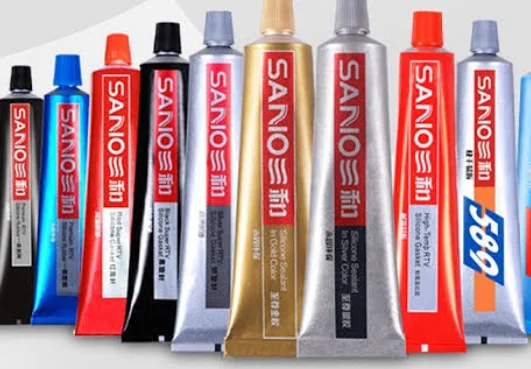
High temperature RTV silicone is a high performance sealant that can resist high heat, vibration, and chemicals. Automotive, aerospace, and industrial applications typically require the use of a sealant that is superior to standard products. High temperature RTV silicone resists heat up to 600°F (315°C) and remains flexible and adheres to surfaces. Its unique polymer chemistry allows RTV (room temperature vulcanizing) silicones to cure at ambient temperatures without the need of heat or pressure. For the professional user, the critical factor when selecting an RTV silicone is the performance characteristics such as rate of cure, tensile strength, and long-term heat stability.
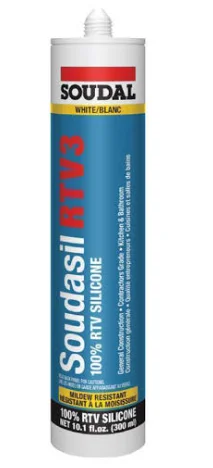
What Makes High Temperature RTV Silicone Unique?
RTV silicones differ from other sealants in their chemical makeup and curing process. In order to withstand harsh environments that demand both flexibility and accuracy RTV silicones are specifically designed to meet these challenges.
Composition and Chemical Structure
High temperature RTV silicone is based upon polysiloxane chains, with an inorganic backbone, which provides resistance to thermal degradation. This type of silicone is reinforced by fillers, to provide mechanical strength, whilst maintaining the elasticity of polysiloxane. The thermal stability can be enhanced by additives, such as iron oxide or aluminum powder.
Curing Process at Room Temperature
Unlike thermosetting materials which are cured in ovens with catalysts at high pressure, RTV silicones are moisture curing and can be applied in the field by simple tools to surfaces. The crosslinking reaction forms a hard, elastic material which is able to withstand numerous thermal changes.
Resistance to Heat and Chemicals
After High Temperature RTV Silicone has cured it can be used in the hottest of applications such as long term exposure to hot oils, coolants and exhaust gases. High Temperature RTV Silicone is non-corrosive, therefore not damaging to sensitive metal parts such as aluminum and copper and is often used as a replacement to traditional gaskets in automotive engines. The big advantage is that RTV Silicone has a far superior seal than traditional gaskets, holding firm under varying loads.
How Does High Temperature RTV Silicone Perform in Industrial Applications?
Industrial applications are subjected to extreme service conditions i.e. heat, vibration and chemical attack. RTV silcones are capable of meeting such applications due to their molecular flexibility.
Automotive and Aerospace Uses
High temperature RTV silicone is used as a gasket maker for valve covers, oil pans and thermostat housings in engines. Aerospace engineers also use this type of seal for turbine housings that are subjected to temperatures greater than 500°F (260°C). It remains adhesive on metal such as steel or titanium during flight cycles.
Electrical and Electronic Protection
RTV silicone, encapsulates electronic components subject to heat or moisture. It protects them by being an insulator and permitting very small amounts of movement caused by thermal expansion. Neutral-cure types are preferred by manufacturers as the materials emit no corrosive by-products during the curing process.
Industrial Equipment Maintenance
For preventative maintenance, the maintenance teams apply high temperature RTV silicone to flanges, ducts, furnace sections and boilers to prevent leaks of gases as well as wear and tear of mechanical parts. Since RTV can be stripped off for reuse after disassembly, there is no downtime to reamining in stock gaskets as there is with pre-formed gaskets which must be discarded after each maintenance cycle.
Why Is Adhesion Performance Critical for High Temperature RTV Silicone?
Adhesion is the critical factor for any sealant, as the seal will be put under stress after application. Consistent adhesion is therefore crucial, and poor adhesion to parts and substrates can lead to failure resulting in leaks.
Surface Compatibility Factors
RTV silicones have good adhesion to glass, ceramics, metals and many plastics, provided the surface is clean and dry. Low-energy surfaces such as polyethylene may require a primer to bond successfully. Such applications are usually carried out by professionals who first carry out surface abrasion or solvent cleaning as required.
Influence of Thermal Expansion
Most materials expand and contract at vastly different rates as they are heated up or cooled down. High quality RTV silicones are elastic and thus able to compensate for these swell discrepancies without cracking or delaminating. This property is especially valuable in applications such as exhaust manifolds or turbochargers where temperatures can fluctuate rapidly.
Long-Term Durability Under Load
While lesser sealants can be degraded by vibration and thermal cycling, High temperature RTV silicones retain excellent tensile strength after thousands of heating and cooling cycles. Their seal is maintained to extend the life of critical systems like turbines and heavy duty air and gas compressors, by reducing the necessity for maintenance frequency.
What Are the Key Differences Between Acetoxy and Neutral-Cure RTV Silicones?
Curing chemistry affects both performance of the material and compatibility with other materials.
Acetoxy Cure Characteristics
Release of acetic acid from Acetoxy-cure silicones during curing forms a distinct odour resembling white vinegar, which these materials cure rapidly. However, acetoxy-cure materials may attack a number of metals including copper and brass unless specifically formulated to resist such attack and so are restricted to non-corrosive applications such as glass sealing and ceramic assembly.
Neutral-Cure Advantages
Neutral-cure materials release alcohols and/or oximes in cure instead of acids, making them suitable for use on metals and electrical components. Materials released by cure at skin form will continue to react after this time and provide long-term stability at high temperatures. Most industrial users find neutral-cure type materials best for use in high temperature gasket applications where resistance to corrosion is critical.
Selecting the Right Type for Application
When choosing between acetoxy cure and neutral-cure types of RTV silicone sealants, consideration must be given to both the sensitivity of the substrate to which they are to be used, as well as to the environment in which they are to operate. Engine builders, for example, use neutral-cure RTV-type silicone sealants for aluminum cylinder heads while acetoxy types are typically used for glass furnace seals in which corrosion is of no concern.
How Does High Temperature RTV Silicone Compare With Conventional Sealants?
Traditional sealants such as epoxies and polyurethane’s, which have organic backbones, degrade rapidly at temperatures above 250°F (121°C) and cannot sustain prolonged exposure to heat.
Thermal Stability Range
High temperature RTV silicones are flexible at 600°F (315°C) or higher continuous and can even be used for short time exposure at 700°F (370°C). As opposed to conventional epoxies that soften at 300°F (150°C) which can cause a joint to fail in a hot area such as an exhaust flange.
Chemical Resistance Profile
Silicone, because of its inherently inert nature, is superior to most polymer-type sealants in resistance to oils, fuels, antifreeze type solutions and solvents. It therefore provides extended service in industrial applications where the seal is continuously exposed to aggressive environments.
Mechanical Flexibility Comparison
While rigid adhesives used in static applications will crack and possibly fail when subject to stress or vibration, high temperature RTV silicones are designed to elongate without failure of the bond. This characteristic makes them very suitable for moving joints and other dynamic applications, where normal static seal compounds would fail.
What Are Common Mistakes When Applying High Temperature RTV Silicone?
Even experienced technicians can miss out some key details that will affect the performance of the product.
Excessive Application Thickness
Too much material can keep the material from curing due to its own moisture not being able to penetrate deep into the application. An 1/8″ bead of material is usually sufficient for typical gasketed joints, allowing complete cure within 24 hours at typical room temperature storage.
Poor Surface Preparation
The presence of oils and lubricants can greatly decrease the seal’s bond strength. Removal of oil residue from surfaces by solvent degreasing with isopropyl alcohol before sealing is thus critical to allow good surface contact for the molecular penetration of the sealant during vulcanization.
Premature Assembly Under Uncured Conditions
As another important point fast reassembly before skin formation has to be avoided in order not to lock up uncured parts within the joints and thus to produce voids or leaks. Sufficient time for curing has to be allowed before the system is put under pressure for the operation test.
FAQ
Q1: Can high temperature RTV silicone be painted over? A: The majority of cured silicones are not paintable due to their low surface energy. Painting can be facilitated by applying a suitable primer prior to application of paint.
Q2: How long will high temperature RTV silicone take to fully cure? A: Generally, high temperature RTV silicone will reach full cure in 24 hours under normal humidity and at typical bead sizes. However, larger beads and sections may require up to 72 hours to reach full cure at room temperature.
Q3. High temperature RTV silicone is electrically conductive? A. Standard formulations are non-conductive / insulation. Conductive formulations with metallic fillers are available for grounding in electronics assembly.
Q4. Can it replace mechanical gaskets in all cases. A. Yes in many cases. An elastomeric seal will form a suitable seal to flange faces forming a custom seal. However a structural gasket designed to withstand torque in the installed condition, would not be suitable for substitution with an elastomeric seal.
Q5: How do you store material so that it has the shelf life ? A: When you store material in a sealed container at temperature of below 80 F it keeps very well in dry place for about one year or as specified by mfr.