Waterproof Paint Applications in Construction
The modern construction industry incorporates the use of waterproof paint into its development of buildings to give the façade of a building a colored appearance which can last for years to come. Waterproof paint, used by experts in the construction industry in conjunction with other components such as primer and membrane, forms part of a much larger protective system that safeguards structures against the potential damage of moisture that penetrates the façade of a building. By extending the lifespan of a building painted with a quality waterproof paint and thus reducing costly repairs to serious damage, a superior all round performance during inclement weather is ensured. Waterproof paint has now become an essential component of what is commonly referred to as sustainable development, especially used for structures exposed to high levels of humidity and further exposed to rainfall and possible water pressure from groundwater.
What Is Waterproof Paint and How Does It Work?
Waterproof paint is used as a coating on porous surfaces, such as concrete, brick and plaster. The paint is made from hydrophobic components which prevent water from penetrating through the surface, while allowing water vapor to escape through the paint film thus preventing internal damage from trapped moisture.
Composition and Chemical Properties
The most crucial element of any waterproof paint is the composition itself. The vast majority of waterproof paints and coatings use formulations that contain Acrylic Polymers, Silicone Resins and Polyurethane Binders. And as added components there are adhesion promoters and other elasticity enhancing components which provide the coating with the capability to withstand thermal stresses and remain intact without cracking and peeling. The end result is that the material produces a continuous coating film that covers the surface being painted.
Mechanism of Water Resistance
A properly applied waterproof paint forms a microfilm structure on the surface of the substrate. This film fills in all pores and capillaries to form a closed coating which does not allow liquid water to penetrate whilst still allowing moisture vapor to escape. Professional-grade waterproof coating systems possess this unique property of water resistance and breathability which differentiates them from standard decorating paints.
Compatibility with Building Materials
Based upon the type of substrate there are a variety of different formulations available. For example a masonry surface typically requires a coating that is based upon silicates which have the ability to chemically bond to mineral substrate types. Steel surfaces are typically painted with an epoxy-modified paint to prevent corrosion. The type used is critical for long lasting adhesion and protection.
Where Is Waterproof Paint Most Effectively Applied?
Waterproof paint is used in construction for functional and preventative purposes. Depending on the area of use and the degree to which it is exposed to the environment, as well as the type of substrate, waterproof paint can be highly effective.
Exterior Walls and Facades
The most common use of paint is for exterior applications. Paint that is formulated as a waterproof paint can prevent rain penetration, prevent efflorescence and salt creep and reduce the risk of damage from freezing and thawing. Buildings of high rise buildings in coastal locations are frequently coated with an elastomeric paint to combat the effects of salt in the air and UV radiation.
Basements and Foundations
Below-grade structures have to resist hydrostatic pressure from the surrounding soil’s moisture. Using a cementitious waterproof paint on below-grade masonry such as a basement wall can help to resist dampness and associated problems such as growth of mold, and structural deterioration due to prolonged wetness and associated attack by groundwater.
Roofs and Terraces
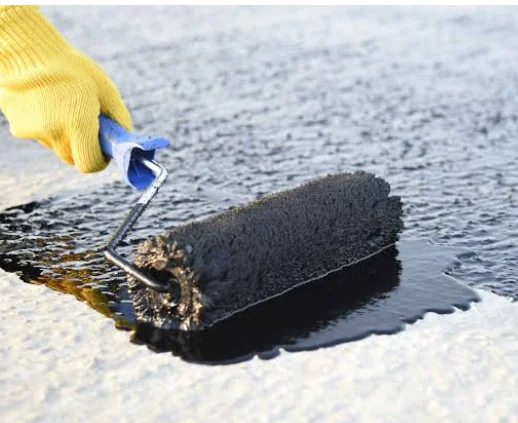
Liquid-applied membrane paints such as polyurethane and bitumen emulsions paints are most suitable for flat roofs as they form a seamless membrane that is flexible enough to follow any changes to the roof due to temperature fluctuations. These roofs are prone to ponding of water which is potentially dangerous, therefore, a durable flexible paint such as the above is ideal.
How Does Waterproof Paint Contribute to Structural Longevity?
Beyond esthetic use waterproof paint is playing a crucial role in ensuring the structural integrity of buildings and in the combating of various forms of deterioration caused by moisture ingress.
Prevention of Corrosion in Reinforced Concrete
Water penetration into concrete structures leads to corrosion of the steel reinforcement. A well applied waterproof coating protects against corrosion by preventing penetration of chlorides and oxygen.
Reduction of Cracking and Spalling
Repeated wetting-drying cycles in building materials such as concrete or plaster generate tension and compression due to expansion and shrinkage. Waterproofing coatings prevent such damage by fixing the inner moisture and thereby preventing cracking and spalling over time.
Enhancement of Thermal Performance
Some advanced waterproof paints contain reflective pigments to reduce heat pickup by exterior surfaces. They save energy and reduce thermal stress on building envelope.
Which Types of Waterproof Paint Are Commonly Used in Construction?
Waterproof paints are categorized by professionals into different categories based on the solvents and binders used in the paint and on the area to be painted.
Acrylic-Based Coatings
Acrylic formulation is used in exterior wall coatings, providing protection by resisting the effects of ultraviolet light, and, maintaining the color of the coating, for long periods of time. Acrylics are relatively flexible. They perform well in average climates and areas of low temperature fluctuation.
Polyurethane Coatings
Polyurethane paints have great elasticity and high chemical resistance, that’s why they’re most often used for roofs, balconies, industrial floors, etc. – places where mechanical wear has priority.
Cementitious Waterproofing Paints
Cementitious types are best suited to basements and water tanks as they are suitable for use on mineral substrates. They are easy to apply using brushes and trowels and no specialized equipment is required.
What Are the Key Factors Affecting Application Quality?
Even the best formulation cannot be made to perform optimally without correct surface preparation and proper application. The ultimate performance of a finished coating is in the hands of the “professional”.
Surface Preparation Techniques
Ensure surfaces are clean, dry and free from dust and grease prior to coating. Also, fill any cracks with suitable fillers to prevent future weakness that could allow water to penetrate.
Environmental Conditions During Application
The curing behavior is highly affected by the temperature and humidity. Most manufacturers recommend application of coating within a temperature range of 10°C up to 35°C and under low humidity in order to ensure perfect film formation.
Layer Thickness and Curing Time
Ensure coat is of uniform thickness to guarantee the coat is being adequately protected from damage, thin coats can suffer from pinholes whilst thick coats can cause surface to blister. Allow adequate time for coat to fully harden before applying subsequent coat to achieve maximum possible adhesion.
How Does Waterproof Paint Support Sustainable Construction Practices?
When talking about sustainable design today, material durability often plays a direct role in the sustainability metrics tracked in systems of sustainable design such as LEED or BREEAM certification.
Extension of Building Lifespan
Waterproof coatings are one of the key ways to reduce the repairs caused by moisture damage and therefore also minimize the consumption of resources for the necessary renovations throughout the life time of a building.
Energy Efficiency Benefits
Field studies carried out by a number of construction research institutes found that using reflective waterproof paints can reduce the surface temperature of roofs in warm climates by up to 10°C. This will help to reduce the loads required for cooling of buildings.
Reduced Environmental Impact of Maintenance
Paints go longer between repainting cycles reducing solvent emissions. Many of the new generation paints are water based low VOC content helping to meet the green building standards.
FAQ
Q1. What is difference between waterproof paint and exterior normal paint ? A. The normal paints are for the look of the building while the waterproof paints contain hydrophobic materials which stop water to penetrate in to the building walls. While preventing water to penetrate in to building walls, they must not trap the vapor inside the walls.
Q2: Can waterproof paint fix existing leaks? A: It can prevent further penetration of water in cases where cracks have been repaired and the paint applied correctly. In the meantime, leaks that are ‘open’ must be sorted structurally before paint can be used to seal them.
Q3: How long will a typical waterproof coating last? A: Depending on exposure conditions, professional-grade waterproof coatings can last 5 to 15 years before needing to be re-applied.
Q4. Primer is required before applying waterproof paint or is it optional? A. Primer is required before applying waterproof paint, especially on porous surfaces such as concrete or brick as primer helps in better adhesion and ensures uniform absorption by substrate.
Q5: Waterproof paint is usually used for exterior applications like roofs and decks. Does it have any use in interior areas such as bathrooms? A: Yes; in bathrooms where there is daily exposure to steam or splashing water it is possible to use moisture resistant paints to prevent fungal growth on surfaces.