Roof Coating Trends for 2026
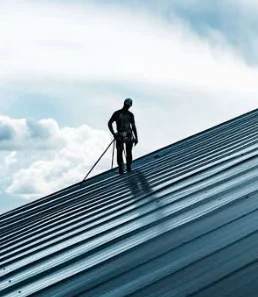
New innovations in roof coating technology are rapidly developing in the field of sustainability, durability and smart buildings. In just a few years, from 2026 onwards, waterproofing will no longer be sufficient and more and more multifunctional systems will appear which increase the energy performance of buildings and their lifespan. Experts foresee a growing market of advanced reflective roof coatings, of bio-based materials and of digital systems of monitoring of roofs. These innovations will change the way commercial and industrial buildings are managed in terms of thermal performance and of costs of maintenance.
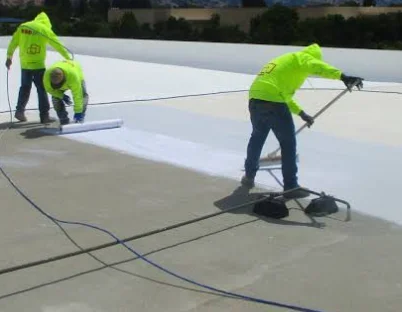
What Are the Emerging Technologies in Roof Coating?
The next generation of roof coating technologies will aim to reduce the negative environmental impact while keeping the costs low for the user. Modern roof coating manufacturers invest a lot of time and money in researching technologies that can offer added value in the most extreme of conditions while still offering a reduction in carbon print.
Reflective and Cool Roof Systems
As more cities and municipalities put into place heat island mitigation policies, Reflective Coatings are gaining popularity. These types of coatings reflect sunlight and can even lower rooftop temperatures by as much as 30 degrees, reducing a building’s cooling load and therefore cooling demands on the building. Although many warmer climates, such as Arizona and Texas, are already utilizing a variety of reflective roof coating systems on many of their commercial buildings trying to attain LEED certification, many more parts of the world are beginning to follow suit as energy codes become more stringent.
Bio-Based and Recyclable Materials
Petroleum based polymers are increasingly being replaced by sustainable alternative based on plant raw materials or on recycled materials. A new generation of bio-based acrylics and silicones hybrids has been developed, offering elasticity and UV-stability. Moreover, several suppliers offer coatings on the basis of derivatives of soybean oil or on recycled rubber in the form of so called rubber granules. These innovative products combine high performance with circular economy goals.
Smart Monitoring Integration
By 2026, digital monitoring systems will be integrated into roof coating systems such as sensors to measure moisture and temperature. These systems will monitor buildings in real time and send data to facility managers enabling them to fix leaks before they become a bigger problem. Smart roof coatings may change color as a roof coating degrades.
How Will Climate Change Influence Roof Coating Formulations?
Climate variability is leading roofing materials to evolve with increased material resilience. Thus, Roof Coatings will need to perform well through extremes of heat and subsequent wetting followed by below freezing cycles while maintaining adhesion and flexibility.
Heat-Resistant Polymers
New polymers that will resist thermal cracking at sustained surface temperatures of 80°C and higher are being developed by various manufacturers. In addition to polyurethane, which has received considerable attention as of late, the traditional high performance coating — the silicone coating — continues to dominate the high performance arena. Its outstanding resistance to ultraviolet radiation and oxidation, in addition to its inherent high-temperature capability, makes it the coating of choice for high-temperature applications. In extremely sunny locations — locations throughout the world, including the Middle East and the southern United States — these coatings will offer a service life substantially greater than that offered by an equivalent-sized asphaltic pavement.
Moisture-Curing Technologies
With the poor performance of conventional waterborne coatings in high humidity conditions, the new Moisture-curing Urethanes are gaining more and more attention. They are able to cure faster than other coating systems and thus are ideal for damp environments. At the same time they guarantee an excellent adhesion on metal and concrete surfaces. This makes them ideal for variable weather conditions and as a result enables a faster implementation.
Freeze-Thaw Stability Additives
In colder climate zones the repeated freezing and thawing can induce micro cracking in surfaces containing film formers. To address this in order to improve durability without loss of tensile strength, formulations have been modified to contain more flexible plasticizers and nano-silica particles. These modifications improve elongation at low temperatures.
Why Is Energy Efficiency Driving Market Demand?
Energy efficiency continues to be the driving force behind roof coating innovation. As governments around the world implement building performance standards, they are mandating energy savings. As a result, reflective roof coatings have become a critical tool to ensure compliance.
Reduced Cooling Loads
Cool roof systems offer a potential of saving up to 20% in cooling costs during summer months. New roof coatings contain highly reflective pigments that keep the roof surface from absorbing too much heat. Also, these coatings maintain a consistent emissivity over time. The owner of a facility with a roof coated with white elastomeric roof coating noticed that he didn’t have to run his HVAC as much during peak hours of the year.
Compatibility With Solar Installations
As the level of solar adoption increases, the compatibility of solar panels with reflective surfaces will become more and more important. Many reflective coatings now have low-glare finishes to enhance the efficiency of the solar panels. In addition, such finishes also protect the underlying membrane from the adverse effects of UV degradation.
Incentives and Green Building Certifications
Tax credits and green certifications like LEED or BREEAM increasingly reward energy-efficient roofing systems. Many property owners choose premium reflective coatings not only for savings but also for compliance with sustainability reporting frameworks such as ESG metrics.
What Role Will Regulation Play in Shaping Industry Standards?
Historically, policy change has led to changes in material choice within the construction markets and this is equally true for the roof coatings market, with current and planned Environmental policy, particularly regarding VOCs and waste, driving the formulation development of the products through to 2026.
VOC Reduction Requirements
Low-VOC formulations are becoming mandatory across major markets including California’s South Coast Air Quality Management District (SCAQMD). Manufacturers must reformulate solvent-based products into waterborne or high-solid alternatives without sacrificing film integrity or drying speed.
Fire Resistance Standards
Roof assemblies in fire prone areas are facing new building codes that incorporate fire retardant characteristics to their assemblies. Elastomeric coatings are now being treated with intumescent additives that expand during a fire to enable roof assemblies to meet Class A fire ratings as defined in ASTM E108 fire tests.
Waste Management Compliance
End-of-life disposal of roofing materials can add significantly to the volume of construction waste going to landfill. Packaging which is designed to be recyclable along with products with take-back policies such as re-processing old roofing membranes into coating bases for new membranes helps to keep the environmental impact down.
How Are Application Methods Evolving?
Application practices can affect the performance of a finish as well as the cost of application to a contractor. New application methods and practices are now developed to deliver a more precise application, less down time, and improved safety for tradesmen working at height.
Spray-Applied Systems
Using high-pressure spray rigs on HVAC curbs and parapet walls enables a uniform application even with complex geometries. Seams, the weakest points for leakage, can be kept to a minimum while the application is also cured much faster due to the controlled film thickness application.
Self-Healing Membranes
Some advanced formulations include microcapsules with active ingredients that release from the cracks in the coatings and fill in the cracks to seal any breaches to prevent moisture penetration. This self-repair feature enables longer intervals between maintenance for extremely harsh applications.
Cold-Applied Alternatives
Cold-applied liquid membranes offer many advantages over hot applied bitumen based liquid membranes, including: no requirement for open-flame torches thus reducing risk of fire on site; existing substrates can be coated without the need for full removal of all previous materials thus reducing potential for waste and cost of work.
What Will Maintenance Practices Look Like by 2026?
Traditional repair maintenance approaches are shifting to predictive management utilizing data analytics and remote monitoring of equipment conditions.
Predictive Analytics Platforms
Using weather data combined with sensor feedback from coated roofs, the latest facility management software is able to predict wear patterns on roofs months in advance of potential failure. This allows for predictive scheduling of maintenance, thereby reducing the number of unplanned repairs due to early signs of deterioration.
Drone-Assisted Inspections
Using a drone equipped with an infrared camera to capture thermal images of large commercial roofs provides detailed information of insulation gaps and areas of moisture incursion in a matter of minutes. This type of information is not visible to the human eye, and provides for greater accuracy in assessing roof conditions, while minimizing exposure to potential risk.
Extended Warranty Programs
Increasingly, manufacturers are tying warranties to the evidence of proper maintenance logged digitally and against online records, rather than against dusty paper files. These ‘warranty by maintenance’ programs offer manufacturers a way to incentivize the right amount of scheduled maintenance whilst having a digital trail of evidence as to how well a product has performed.
FAQ
Q1. How long do modern roof coating systems last? High quality coatings, such as silicone and polyurethane are designed to last for 15–25 years depending on weather and planned maintenance.
Q2: Are bio-based roof coatings commercially available today? A: Yes, several manufacturers have launched bio-acrylic blends derived from renewable oils that meet ASTM D6083 standards for elastomeric performance.
Q3: Can we recoat existing roofs instead of replacing them? A: Most flat roofs can be recoated. Substrate must remain intact. Roof can be recoated as many times as required, providing correct surface preparation has taken place i.e. cleaning and priming of surfaces to ensure correct adhesion to new coatings.
Q4: Do Reflective Coatings Increase Winter Heating Loads? A: Yes, a bit. However, as the graphic indicates, the increased winter loads will be more than offset by reduced cooling loads in the warmer months for most climates resulting in net annual energy savings.
Q5: How does smart monitoring improve maintenance efficiency? A: Embedded sensors in Smart glazing allow for early detection of water penetration or UV degradation. This allows for early targeted repair of any faults before major structural damage occurs, keeping downtime to a minimum and avoiding excessive costs to put right.