Bathroom Waterproofing System Guide
Bathroom waterproofing forms an essential part of any building’s construction to prevent potential damage caused by moisture, mold and other deterioration to the building itself. In bathroom areas waterproofing systems are applied using a variety of special membranes and sealants to waterproof areas such as floor, walls and joints. A good waterproofing system is key to a long lasting building and healthy living environment. A small error in the waterproofing system can quickly lead to major problems and repairs, therefore it is necessary for builders and renovators to have good knowledge of materials, construction methods and applicable building codes.
Why Is Bathroom Waterproofing Essential?
Waterproofing in bathroom areas provides the primary long-term protection against water damage. Due to the high level of humidity and also the actual contact with water in bathrooms, leaks can easily occur. These leaks can then penetrate through concrete or through the joints of tile coverings.
Preventing Structural Damage
Water entering walls or sub floors will over time weaken the concrete and deteriorate steel reinforcement. Cracks and staining may not appear for some time but once visible, costly repair work is required. Effective bathroom waterproofing will create a fully waterproof surface below all finishes and appliances including tiles and wet area linear features. In high rise apartments where pipes may connect between floors, including bathrooms, to form one common system, water leakage between floors in dispute can be prevented by ensuring effective waterproofing of the wet area.
Controlling Mold and Bacterial Growth
Persistent damp is one of the key factors for mold growth, behind tiles and under flooring for example. These organisms not only emit foul odors but also negatively influence the air quality indoors. The sealing of all wet areas such as shower recesses, wall and floor junctions by a waterproofing system prevents the occurrence of such moisture pockets where mold can start to develop.
Enhancing Property Value
The best quality waterproofing for bathroom areas, adds value to a property in terms that can be quantified! Estate Agents comment, on more than one occasion, that signs of leakage or efflorescence etc in bathrooms can very negatively affect buyers’ perception of a property & its potential. The evidence of sound waterproofing to the required Building Standards, gives assurance of quality construction. This is an important assurance to any buyer or potential tenant.
What Are the Key Components of a Bathroom Waterproofing System?
A complete system consists of several different materials, that are designed to work in conjunction with one another in a variety of situations. These can include situations at different temperatures or when the substrate is in motion.
Waterproof Membranes
The core component of every building system are the membranes. There are liquid applied and sheet-based types to suit any project. Even for irregular surfaces such as building corners and building niches a liquid applied membrane forms a seamless and very reliable coating once it has cured. On the other hand sheet-based membranes have a uniform thickness, their mechanical characteristics can be influenced by their material. For example, there are membranes made of PVC, from rubberized asphalt or from bitumen.
Primers and Surface Preparation Products
Surface must be cleaned and made stable before application of membranes. Primers are used to increase adhesion between substrate and membrane. Also a primer can be used to seal surface which is porous. If a primer is not applied, adhesion will fail, especially when there is movement due to thermal effects or vibration.
Sealants and Joint Treatments
To detail out around objects such as bathtubs, sinks, and floor drains, as well as around inside corners of walls, would be to install a joint using a flexible sealant that is compatible with the finish membrane being used. The sealant will absorb any movement such as contraction or expansion and therefore prevent cracking of the finish membrane. In highly stressed detail areas such as inside corners, it is typical to install reinforcing tapes within these details for added strength.
How Should Bathroom Waterproofing Be Installed?
The success of any system relies on correct installation techniques that comply with regional standards such as AS 3740 in Australia or ASTM C836 in the United States.
Surface Inspection and Repair
Contractors check for cracks or local voids in existing screeds and substrates prior to commencement of works. Any localised defects should be made good utilizing polymer-modified mortar to provide a durable repair, which can then be rubbed down to provide a adequate key for priming. In addition the moisture reading of the existing screed should be recorded to determine if there are excessive moisture levels present which could cause problems such as trapping of vapor under application of membranes, which can cause blistering to occur.
Application of Membrane Layers
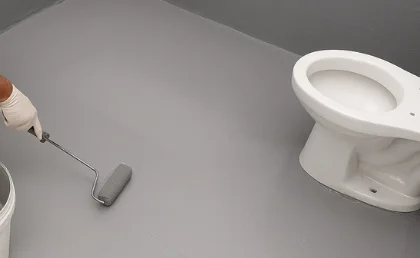
When applying Liquid membranes, they are typically applied in multiple layers of coatings which are applied at right angles to each other. The most important factor is to allow each coat to fully dry before applying the next layer of coating. Overlap areas of sheet systems are heat-welded or sealed with approved adhesives from the manufacturer to create a continuity seam.
Curing Time and Testing Procedures
The curing time will depend on the chemicals in the applied product. Typically an area would be ready to start tiling 24-72 hours after application. To confirm an area is OK to proceed with tiling a water pond test would be carried out by filling the area with water for 24 hours. If no leakage occurs through the joints or from the drain then further testing would not be required.
Which Areas Require Special Attention During Waterproofing?
Some bathroom components are more sensitive due to frequent exposure to heat or due to specific movement. Careful detailing is necessary during installation of such sensitive components.
Shower Recesses
The shower area is subjected to a high pressure jet of water at all times and therefore must be sealed to prevent early failure. Painting the entire recess area, including the walls down to at least 1800mm from the floor, should be carried out continuously around penetrations of plumbing etc without any breaks.
Floor-to-Wall Junctions
These types of construction joints are subject to movement caused by temperature change. Should this movement not be addressed then the joint can open up with time resulting in cracking along the grout lines. Using a flexible joint sealant combined with a reinforcing fabric provides the necessary resistance to movement, whilst ensuring a watertight joint.
Around Fixtures and Penetrations
When pipes exit through walls to connect fixtures such as sinks, baths, basins and toilets, collar gaskets should be used to form weather tight seals around the outlet points. These gaskets must be compatible with both the membrane and the fixture. It is one of the most common areas where leaks occur post-installation and are discovered by maintenance teams.
What Are Common Mistakes Made During Bathroom Waterproofing?
Experienced installers occasionally miss small details which may affect the long-term performance of a ventilation installation.
Insufficient Surface Cleaning
Dust or oil on surface reduces efficiency of bond between primer and membrane. Delamination will occur prematurely when exposed to moisture cycles.
Ignoring Manufacturer Instructions
Many products have specific timeframes for curing and film thickness, as well as Compatibility with certain Adhesives and Tile Mortars. Deviating from the information provided for any product could cause the manufacturers warranty to be voided.
Poor Drainage Design
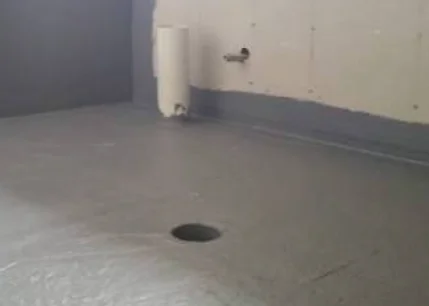
Slope to floor drains is critical and cannot be addressed by waterproofing alone. Water sitting against the surface of the building will wear down the top layer of any material and allow seepage into the building through the tile joints over time, even with the best installed membrane underneath.
How Does Maintenance Influence Long-Term Performance?
An effective routine of inspection can pick up on signs of wear and tear before any serious damage is done. When bathrooms are in constant use, such as in a hotel, they need extra attention from time to time.
Routine Visual Checks
Periodically check grout lines for areas of discoloration which indicate that moisture is working its way underneath the tile. Re-sealing this grout as needed will likely prevent larger problems.
Reapplication Intervals
Traffic densities, environmental influences and reapplication periods are individual. In particular for liquid coatings that are exposed daily with aggressive cleaning agents a reapplication is needed every 5–10 years.
Professional Assessment Services
We engage certified waterproofing inspectors to verify the integrity of building envelopes using non-destructive testing. Using tools such as infrared thermography we can expose damp zones that are not visible but are concealed behind finishes without the unnecessary demolition of finishes.
FAQ
Q1. How Long Does Bathroom Waterproofing Last? A. Correct and quality installation of bathroom waterproofing systems typically last 10-15 years and will need to be reapplied depending on use.
Q2: Are Tiles Sufficient to Waterproof a Bathroom? A: No, tiles are only decorative finishes and as such they are porous. This is particularly so at the grout joints. Protection at these points by the use of a membrane layer prior to fixing of tiles is required to prevent penetration of moisture.
Q3. DIY Waterproofing – Recommended? A: Yes for small repairs, No for complete installations – Better to have someone licensed to do the job. Local code requirements need to be adhered to to obtain full warranty.
Q4. What can happen when the waterproofing fails? A. Water can leak into adjacent rooms with resulting paint peeling on ceilings below bathrooms etc. leading to further structural corrosion which will need to be rectified at great expense in the future.
Q5. Are there any eco-friendly waterproofing options available? A. Yes. There are some new waterproofing systems which are made of low-VOC polyurethane resins. These systems are very flexible and have the same properties as traditional solvent-based systems. These are suitable for green building.