Interior vs Exterior Foundation Waterproofing
Waterproofing the foundation of any property is a necessary aspect of its construction and also forms part of any preventative measures that one can take to protect a building from water damage. There are many different waterproofing methods, which are used for both interior and exterior parts of a foundation. However the methods of application and costs for the different methods vary greatly, with some being more effective than others in the long run. Typically the exterior of a foundation is the best area to apply waterproofing to as it is by far the most durable, however there are times when interior applications are required, mainly for remedial work or when there is no access to the exterior.
What Are the Core Differences Between Interior and Exterior Foundation Waterproofing?
Interior and exterior foundation waterproofing differ primarily in how water is managed – within the building envelope or outside of it. While using different materials, methods of installation and design logic for dealing with hydrostatic pressure around foundations, they can be used as alternatives.
Interior Waterproofing Systems
The approach for interior foundation waterproofing deals with the water that has already made its way through the walls and into the foundation or basement. Interior waterproofing of foundations includes installing a network of perimeter floor drainage, installing a sump pump to remove the water that has been collected, as well as installing a vapor barrier to stop moisture in the air from passing through the concrete of the foundation walls and slab. The system of interior waterproofing of foundations is typically faster to install and less destructive than excavating the exterior of the foundation; however, interior waterproofing of foundations does not stop water from getting into the building in the first place. It simply redirects it once it has entered the building.
Exterior Waterproofing Systems
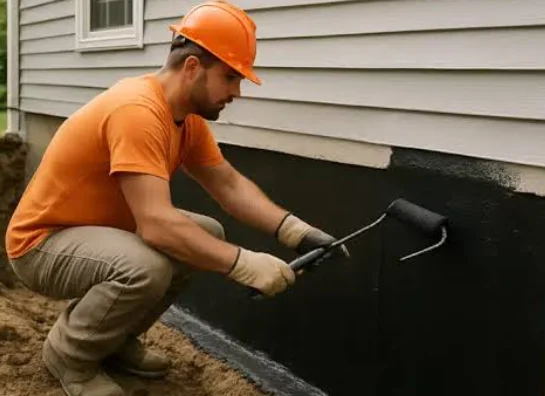
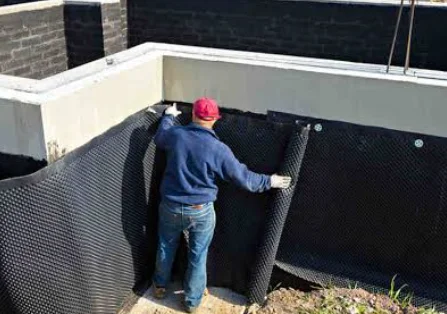
Rather than attempting to clean up water that has already come into contact with your foundation walls, exterior foundation waterproofing focuses on keeping water from reaching your concrete or masonry foundation in the first place. This type of work can be very labor-intensive; but once it has been completed, it can offer the greatest chance at preventing water damage to your home’s foundation for the long term. By excavating around the outside of your foundation, contractors can install waterproofing membranes, and also a drainage board and layers of gravel, all of which work collectively to move groundwater away from your home’s walls. In doing so, this type of system is specifically designed to counteract the force of hydrostatic pressure, as well as to resist damage from freeze-thaw cycles which can lead to cracks in your home’s foundation.
Hybrid Approaches
Some projects combine both methods—exterior membranes for prevention and interior drainage for redundancy. Hybrid systems are common in high-water-table regions or older buildings undergoing retrofitting where full excavation isn’t feasible but added protection is necessary.
How Does Soil Type Affect Foundation Waterproofing Choice?
The composition of the soil has a great influence on the choice of a waterproofing system. The permeability of the soil first determines how fast water penetrates towards the foundation and how high the hydrostatic pressure will become during rainfall and snowmelt.
Clay-Rich Soils
Clay soils contain a large amount of moisture because of their low permeability. When planning waterproofing, it is essential to waterproof from the outside and use a sufficient drainage board. Because of the low permeability of the soil, the moisture pressure from the outside cannot be sufficiently relieved by an internal waterproofing system. As the clay builds up against the wall, it can exert tremendous pressure on the walls causing them to bow and eventually crack over time. Exterior waterproofing can aid in preventing such damage.
Sandy Soils
The sandy soil will drain quickly, however it will infiltrate towards the deeper layers of soil around the foundations during very heavy downpours. Both interior and exterior solutions are available, but are dependent on the groundwater level. Reliability of a sump pump will become a major issue as basement flooding can occur very quickly when soil becomes saturated.
Mixed or Loamy Soils
Soil type mixed throughout will fluctuate in moisture holding capacity throughout the year. A hybrid solution of exterior building enclosure and interior dehumidification system will likely be required to maintain a relatively dry building envelope throughout the year without over design on either end of the barrier system.
Which Method Offers Better Long-Term Structural Protection?
Durability of various repair methods is affected by the extent to which they prevent deterioration of the concrete and steel reinforcement due to moisture. Small repair leaks that remain open for decades can cause serious structural damage.
Exterior Membrane Longevity
External applied high quality elastomeric membranes can last for 30 to 40 years or more, provided that they are adequately protected by drainage panels and by backfill with gravel. These membranes prevent efflorescence from occurring through concrete surfaces, which conduct water through their pores. Also the water proofing membranes protect insulation below grade.
Interior Drainage Maintenance
Mausoleum interior systems may require periodic maintenance such as servicing of sump pumps and cleaning of weeping tile channels to ensure efficiency of performance. These systems are effective at dealing with visible leakage but are not a solution for external deterioration such as spalling of concrete caused by freeze-thaw cycling outside of wall surfaces.
Cost-to-Lifespan Ratio
While exterior waterproofing solutions require higher initial investment and more complex materials to deal with the challenges of excavation and construction, their longer lifespans mean that the total cost of ownership is actually lower than that of interior systems that require to be repaired every few years. While interior systems need to be repaired from time to time, their symptoms can be dealt with once and for all by means of an exterior solution, which is recommended by professionals.
What Role Do Climate Conditions Play in System Selection?
The regional climate will control how much a foundation must withstand moisture penetration throughout the seasons. Parts of the country where foundations experience problems are those that experience many freeze-thaw cycles in the winter and many rainfall events in the spring and summer.
Cold Climates
Exterior insulation with waterproofing can outperform internal drainage in colder climates where the frost depth is below the ground floor of a building. Frost heave forces can shift a foundation during the winter, and these forces cannot be overcome by simple drainage when the entire soil mass is saturated with water and contracting horizontally as ice in the ground. The external face of a basement wall is where these forces are at their greatest.
Humid Regions
When indoor humidity is very high, it is wise to include an interior vapor barrier in conjunction with mechanical ventilation in order to allow for control of condensation on cool basement walls. This must occur in the summer, when warm moist air comes into contact with cool surfaces below grade. This is a very common reason for mold growth in buildings, even when there are no leaks present in the above-grade exterior wall construction.
Arid Zones with Flash Flood Risk
People who live in the desert usually do not worry about waterproofing until a flash flood hits. When the flood comes, water rushes in fast and soaks the dry land in minutes. This brings problems every year because the rain is never the same. The best way to stop flood water in the desert is to use hybrid waterproofing. Hybrid waterproofing puts barriers outside to block most of the water first. If water still gets inside, pumps push it back out. Engineers from different places say this method works well in dry places. The same trouble comes back every year. Flash floods happen with little or no warning. The dry ground cannot take in all the water fast enough. Builders in the desert now use barriers and pumps together as a normal way to protect buildings and roads. Research teams check the problem again and again. They find the same result. Using barriers outside with pumps inside keeps most things safe. Civil engineers see this in the field and in studies. They say it is the best way to deal with storms and heavy rain in the desert. Builders now see barriers and pumps as a normal part of desert work. Most experts agree because the facts and real stories show this method works. People are still searching for better desert waterproofing, but using both barriers and pumps is the clear, trusted way, with years of good results behind it.
FAQ
Q1 What is the expected life of exterior foundation waterproofing? A. Exterior membrane systems typically last 30–40 years if installed correctly and has sufficient backfill to protect against punctures and UV damage prior to being buried.
Q2 Interior waterproofing can prevent no cracks from forming? A. No – existing leaks managed, but no structure can withstand outside soil pressure and stop cracks from forming.
Q3 Is one method better for old homes? A. For older homes, Hybrid systems are best. The risk of damaging aged masonry during excavation far outweighs the immediate relief that internal drains can give to severe leakage problems.
Q4 What’s the average cost difference between methods? A Exterior methods usually cost two to three times more upfront due to excavation but save money long term through reduced repair frequency.
Q5 Is it worth the homeowners while to follow a seasonal service/maintenance schedule? A Yes; annual checks in advance of the rainy seasons can identify minor leaks of seals etc before they develop into larger problems and allow water to enter the building in the wet months.