Best Applications for Polyurethane Sealant
Polyurethane sealant is a flexible material used in construction, automotive and industrial markets. Most polyurethane sealants are suitable for a number of structural and finish applications, particularly those that feature moving parts, that are subject to vibration, or that are exposed to the weather. Because of their excellent adhesion to concrete, metal, wood and plastic etc. Polyurethane sealants are particularly favored by professionals for use in a wide range of applications. In this article we will explore the suitable uses of polyurethane sealants and some of the technical aspects to consider when choosing a product for your particular needs.
Why Is Polyurethane Sealant Widely Used in Construction?
Polyurethane sealants are one of the primary materials used in modern construction due to their unique properties. This type of sealant is flexible and at the same time strong enough. Polyurethane sealants can withstand changes in temperature and mechanical stress, and in the meantime stick to a variety of surfaces.
Concrete Joint Sealing in Buildings
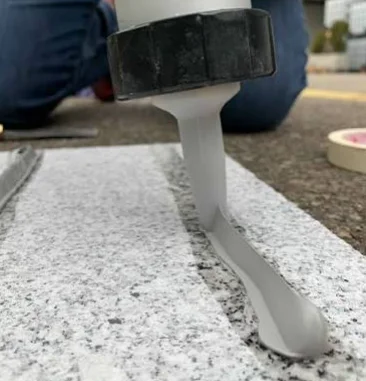
Polyurethane sealants can be used for application to expansion and control joints in concrete floors and walls in commercial and residential construction. These joints can contract and expand as temperature changes and as loads are placed on the structure. The polyurethane can contract and expand as well without cracking or losing adhesion to the surrounding concrete. An example of using a self-leveling polyurethane in construction is in parking deck construction. The sealant can be poured into horizontal joints and will self-level and cure into a flexible rubber-like material.
Façade Glazing and Cladding Systems
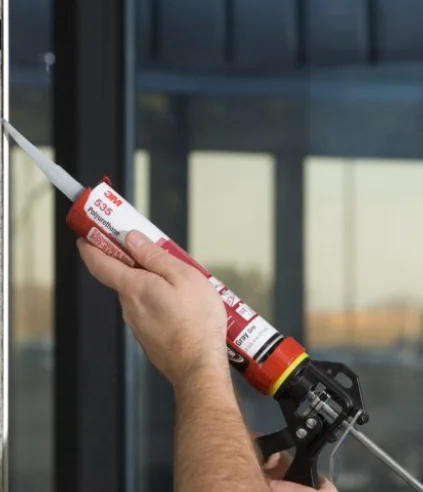
Joints in exterior architectural façades of buildings made from glass, aluminum or composite cladding boards need to be weather tight. Polyurethane sealants are often used for these visible joints. They are paintable and resistant to UV-rays. Most contractors choose to use one-component, moisture-curing polyurethane sealants for these visible joints. These sealants are easy to apply to vertical surfaces and remain weather tight for years to come.
Roofing and Waterproofing Applications
Polyurethane Sealants for Roofing and Exterior Walls: Using Roofing Sealants as Waterproofing around Vents and Other Penetrations. In Roof Waterproofing and Roof Repair applications, roofing sealants are used as waterproofing around Roof Vents, Roof Sklylights and other roof penetrations as well as around Outdoor Decks and Patio Drainage Pipes. The Elongation of Polyurethane Roofing Sealants and Liquid applied Polyurethane Roofing Membranes allows for flexing with substrates that expand and contract due to sunlight. These waterproofing materials can be used in conjunction with other joint sealants to provide a fully waterproof system.
How Does Polyurethane Sealant Perform in Automotive Applications?
Automotive parts have to withstand constant vibration, impact and extreme weather circumstances. That’s why automotive parts are made of very durable materials. Polyurethane sealants are extremely adhesive and flexible at low and high temperatures.
Windshield Bonding and Structural Adhesion
Modern vehicles, for safety and comfort reasons, are fitted with direct-glazed windscreen made from glass, bonded by a polyurethane adhesive-sealant on the vehicle bodywork. As well as increasing bodywork stiffness, the direct glazing method helps reduce noise entering the vehicle cabin. After cure, the elastomer remains flexible in situations of impact, and/or vehicle body deformation whilst maintaining its tensile strength, enabling it to safely hold the glass in place.
Seam Sealing in Vehicle Assembly
Seam sealing during manufacturing can prevent water from entering between welded sections and panel overlaps. The sprayable polyurethane sealant forms a consistent bead that can be topped painted. The chemical resistance of the sealant also provides durable protection against winter road salts and oils.
Aftermarket Repairs and Maintenance
In vehicle repair workshops polyurethane is used for the sealing of panels which have been repaired as well as for other leaks, such as those round sunroofs. It is often preferred to other products because of fast curing and compatibility with original finishes.
What Are the Industrial Uses of Polyurethane Sealant?
In addition to the Construction & Automotive industries, other industries use polyurethane sealants for equipment and component assembly and for subsequent repair and maintenance where high durability is required.
Marine Equipment Sealing
Sealants for boats and ships are designed to be exposed to water and to withstand vibration. Polyurethane sealants are ideal for marine applications as they offer excellent adhesion to all boat hull materials such as fiberglass, wood, aluminum and steel. Once dried the marine-grade sealants are also resistant to saltwater. They are commonly used around deck fittings, portholes and below waterline seams.
HVAC Ductwork Assembly
Sealing all connections in heating and ventilation systems for maximum efficiency against energy loss. Sealing of ducts and convectors with polyurethane sealants. Good heat stabiltiy and no tendency to crack due to temperature changes.
Industrial Flooring Systems
Epoxy-polyurethane hybrid floor coatings are often used in factories where joints need to be sealed against chemicals or wear from heavy traffic. The polyurethane in the coating is flexible enough to absorb small movements in the substrate beneath, yet provides a hard and smooth surface finish to withstand forklifts and other machinery.
How Does Polyurethane Sealant Compare with Silicone Sealant?
Whilst some architects and specifiers choose to specify silicone for glazing and wet area applications i.e. ‘sanitary’ areas, the superior mechanical performance of polyurethane offers great benefit particularly where higher mechanical performance is required over extremely high temperature resistance.
Adhesion Strength Across Materials
Polyurethane forms chemical bonds with porous materials like concrete or wood without primers in many cases. Silicone adheres better to glass but may detach from masonry unless special primers are used.
Paintability and Surface Finishing
There is a fundamental difference between painting silicone that does not require paint and painting polyurethane after it has been allowed to harden. When color matching on Façades and interiors, polyurethane is more suitable for the above-mentioned reasons.
Mechanical Flexibility Under Load
Silicone is elastic but does not have enough tensile strength and therefore polyurethane is preferred as it is elastic and has enough tear resistance, therefore suitable for moving joints which are exposed to vibration.
What Environmental Conditions Affect Polyurethane Sealant Performance?
Performance of the lubricant also depends on several environmental factors during application and service life.
Temperature Sensitivity During Curing
The majority of one-component polyurethanes cure by reaction with ambient moisture. In cold weather, this reaction will slow down and in high humidity, it will speed up. However, in very high humidity and with very thick films, surface bubbling can occur.
UV Exposure Over Time
Whilst some formulators add stabilizers to their sealants, they can still deteriorate on prolonged exposure to the sun. For outdoor joints that are exposed to view, and which need to last for years, sealants that are resistant to UV are the best choice.
Chemical Exposure in Harsh Environments
Sealed joints in industrial plants may come into contact with oils or solvents during service life and damage standard elastomers. Chemical-resistant polyurethanes which are especially designed for these applications maintain their elasticity even after contact with aggressive substances and in this way extend the service life.
How Should Professionals Apply Polyurethane Sealant Effectively?
Correct application technique helps to achieve long-lasting sealing performance.
Surface Preparation Requirements
All surfaces to be bonded must be cleaned, and be dry and free of oil or dirt prior to application. On porous surfaces such as concrete, priming can help improve the consistancy of adhesion over varying textures.
Application Techniques for Different Joints
Gun-grade non-sag for the vertical gaps around windows and doors to prevent slumping during the cure. Backer rods for the larger floor joints greater than 10 mm to control the depth to width ratio to achieve the best joint movement capability.
Curing Time Management
Curing is completed within 24 to 72 hours for typical CA based adhesives, dependent upon humidity and joint thickness. The joint must be left untouched to permit it to deform, if necessary, before ultimate strength is achieved.
FAQ
Q1. Does polyurethane sealant come in a version that can be used underwater? A. Yes, certain marine types of polyurethane sealants can cure underwater if applied correctly. However normal types of sealants are for use in normal building applications and require to be in a dry condition to achieve full primary bond.
Q2: Is polyurethane safer than silicone to use indoors. A: Yes, both materials are safe to use once they have fully hardened. Uncured polyurethane emits a mild isocyanate odor for a short period of time but this clears rapidly. Open air / ventilation is advisable. The major concern with cured silicone is the slow release of acetic acid vapors from different types of silicone.
Q3: What is the expected lifespan of a polyurethane joint exposed to outdoors? A: A correctly installed UV-stabilized joint can last 10–20 years or go through several climate exposure cycles of heat, rain and sunlight.
Q4: Does it stick to plastic surfaces? A: Yes most adhesives stick to rigid plastic such as PVC, ABS and polycarbonate. Slight sanding of surface increases chance of bond adhering to very shiny surfaces.
Q5. What are the differences between one-component and two-component systems? A. One-component types cure by reaction with air moisture. They are suitable for small jobs. Two-component systems consist of resin and hardener. They cure fast and evenly. For this reason, two-component systems are used extensively in industry for larger projects.