
Are Torch Applied Bituminous Membranes Still the Best Choice for Low Slope Roofs?
What Are Torch Applied Bituminous Membranes Used for?
If you are checking torch applied bituminous membranes for a roof or waterproofing project, you are likely dealing with a low slope area that has to take rainwater, heat, and building movement for many years. These membranes are factory-made bitumen sheets, normally modified with APP or SBS polymers, and then bonded to the deck with controlled heat from a propane torch. The method is not new, but it is still used on many real job sites because it gives a bonded sheet system that roofers understand well.
Low Slope Commercial Roofs
Low slope roofs on warehouses, apartment blocks, schools, and light industrial buildings are still the main use. The membrane creates a continuous waterproof layer over concrete, screed, insulation boards, or a compatible existing roof layer. The U.S. Bureau of Labor Statistics notes that low slope roofs are common on commercial, industrial, and apartment buildings, so it is not surprising that sheet membranes still appear often in project specifications.
Concrete Podiums and Service Areas
Torch applied sheets also suit exposed concrete podiums, plant rooms, balconies, and service areas where foot traffic or equipment access can wear out thin coatings. A granulated cap sheet gives better surface wear resistance, while a sanded or film-faced base sheet works well in a multi-ply build-up. On a busy roof, tools get dropped and hoses get dragged, so a reinforced sheet usually handles that rough use better than many light liquid systems.
Reroofing over Sound Existing Systems
For refurbishment, torch applied membranes can sometimes be installed over selected existing bituminous roofs after inspection, repair, drying, and priming. This can cut tear-off waste, but it should not be treated as a quick fix. Blisters, trapped moisture, wet insulation, and loose old felts must be corrected first. If the old roof feels soft underfoot, placing a new membrane over it will usually only cover up a leak that comes back later.
How Do Torch Applied Bituminous Membranes Work?
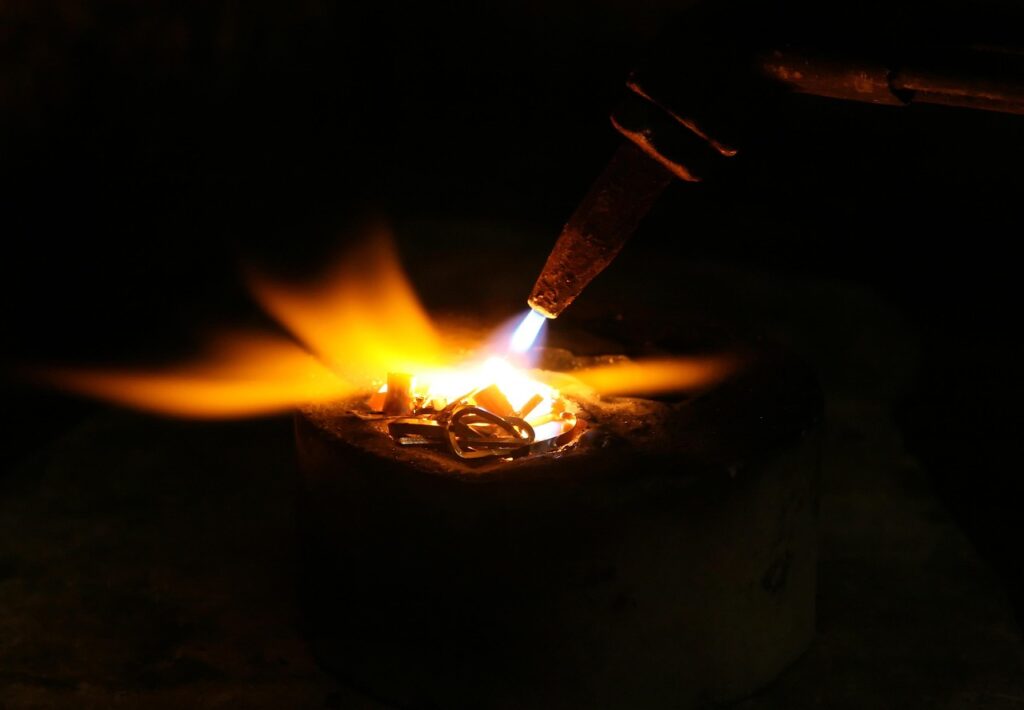
A torch applied system works by heating the underside bitumen on the roll and the surface below at the same time. When the roofer gets the heat and speed right, the two surfaces melt together and form one bonded layer. From the ground it can look simple, but the seam quality depends on timing, flame control, roll speed, and steady workmanship.
APP and SBS Modified Bitumen
APP modified bitumen is often used where heat resistance and torch application are important. SBS modified bitumen is usually chosen where flexibility matters, especially in areas with temperature movement. ASTM D6222/D6222M covers APP modified bituminous sheet materials with polyester reinforcement for roofing and waterproofing, while ASTM D6162/D6162M covers SBS modified sheets using polyester and glass fiber reinforcement. In buying terms, roll weight and price are not enough; modifier type and reinforcement need to be checked as well.
Reinforcement and Surface Finish
Polyester reinforcement adds tensile strength and helps the sheet cope with movement in the roof. Glass fiber can help keep the sheet dimensionally stable. A mineral granule finish protects the top surface from UV and gives a better walking surface during inspection. A polyethylene film finish is normally used when another layer will be torched on top, so the base sheet and cap sheet should be selected as one system rather than mixed from random stock in the yard.
Heat Bonded Seams and Full Contact
The Canadian Roofing Contractors Association describes correct torching as heating both the roll and the substrate until the film disappears and a small asphalt bead appears. It also gives a useful working distance for the flame tip, about 50 mm to 150 mm in front of the roll. That small bead at the lap is not just a visual detail. It tells the roofer that the seam has melted enough to bond.
When Are Torch Applied Bituminous Membranes Better than Alternatives?
No waterproofing material fits every roof. Self-adhesive sheets, liquid membranes, PVC, TPO, EPDM, and cold-applied bitumen all have their own place. Torch applied bituminous membranes are often a good option when the project needs a tough, fully bonded, repairable sheet system and the site can safely allow hot work.
Strong Bond on Prepared Concrete
Concrete decks often work well with torch applied membranes because they are stable and noncombustible when they are cured, dry, and cleaned properly. Primer can help bind dust and improve contact between the membrane and the deck. The surface still needs slope, dryness, and enough strength. Dust, oil, laitance, and damp spots may look like small site issues, but they decide whether the sheet becomes part of the roof or only sits on top of it.
Multi Ply Redundancy
A two-ply torch applied system gives an extra layer of protection. If a small defect appears in the cap sheet, the base layer below still helps stop water. This is why many specifiers choose multi-ply bituminous systems for high-value buildings, mechanical roofs, or areas where later access may be hard. One small workmanship mistake should not let water run straight into a server room or hotel ceiling.
Tough Detailing Around Roof Features
Drains, upstands, parapets, pipe penetrations, and equipment curbs are common leak points on many roofs. Torch applied membranes can be cut, shaped, reinforced, and layered around these details. Skilled roofers often use smaller torches for flashings because the flame needs close control. The CRCA manual warns that flashing work needs full contact at side and end laps, especially where gaps or voids can form.
What Can Go Wrong During Installation?
Most failures are not hard to explain. They usually come from moisture, poor heat control, weak seams, bad detailing, or unsafe site conditions. A roof may look fine from the street, but water will find any careless lap sooner or later.
Damp or Dirty Substrates
Moisture trapped under a membrane can turn to vapor during heating and make blisters. Dirt and loose particles also reduce adhesion. A good crew checks the deck, sweeps it, dries it, repairs cracks, and applies primer only where the product data sheet requires it. On reroofing work, core cuts or moisture scans may be needed because wet insulation below an old roof cannot be fixed by adding a new cap sheet.
Poor Heat Control
Too little heat can leave cold seams, while too much heat can damage the sheet. The CRCA lists signs of overheating, including top film melting, granules sinking, reinforcement exposure, and waves in the installed membrane. The same manual notes that a torch flame can exceed 1093°C, or 2000°F. That figure matters because torch work must be managed as hot work, not as ordinary roofing.
Weak Laps and Flashings
Side laps and end laps must be pressed into full contact while the bitumen is still hot. End laps need extra care because the added thickness can leave voids. Many crews cut a corner on the underlying selvage at end laps so melted bitumen can flow and seal the diagonal edge. If you see dry edges, fishmouths, open corners, or no bleed-out at all, ask for repairs before the crew leaves the area. See also: Coatings.
How Should Fire Safety and Site Control Be Planned?
Torch applied roofing uses open flame, so safety planning belongs inside the roofing method. It is not just paperwork for the file. A good membrane can still turn into a bad project if the deck, insulation, or hidden wall cavities are combustible, and this is where an experienced contractor makes a real difference.
Combustible Deck Limits
FM Global Data Sheet 1-33 states that torch-applied roofing is generally more likely to cause fire than roof installations that use fasteners and adhesives, especially where combustible materials are part of the assembly. This does not mean torch systems are unsafe on every project. It means the team must check deck type, insulation, wall openings, penetrations, and hidden voids before any flame work is approved. If those points are unclear, the risk is not under control.
Trained Torch Operators
The National Roofing Contractors Association’s CERTA program sets best practices for torch-applied roof systems and torch use to reduce fire losses. Its public FAQ also says some insurers, building owners, military bases, general contractors, and code authorities require CERTA-certified mechanics. For procurement staff, this gives a clear question to ask. Check who will operate the torch, not only which brand of membrane is on the quotation.
Fire Watch and Fume Control
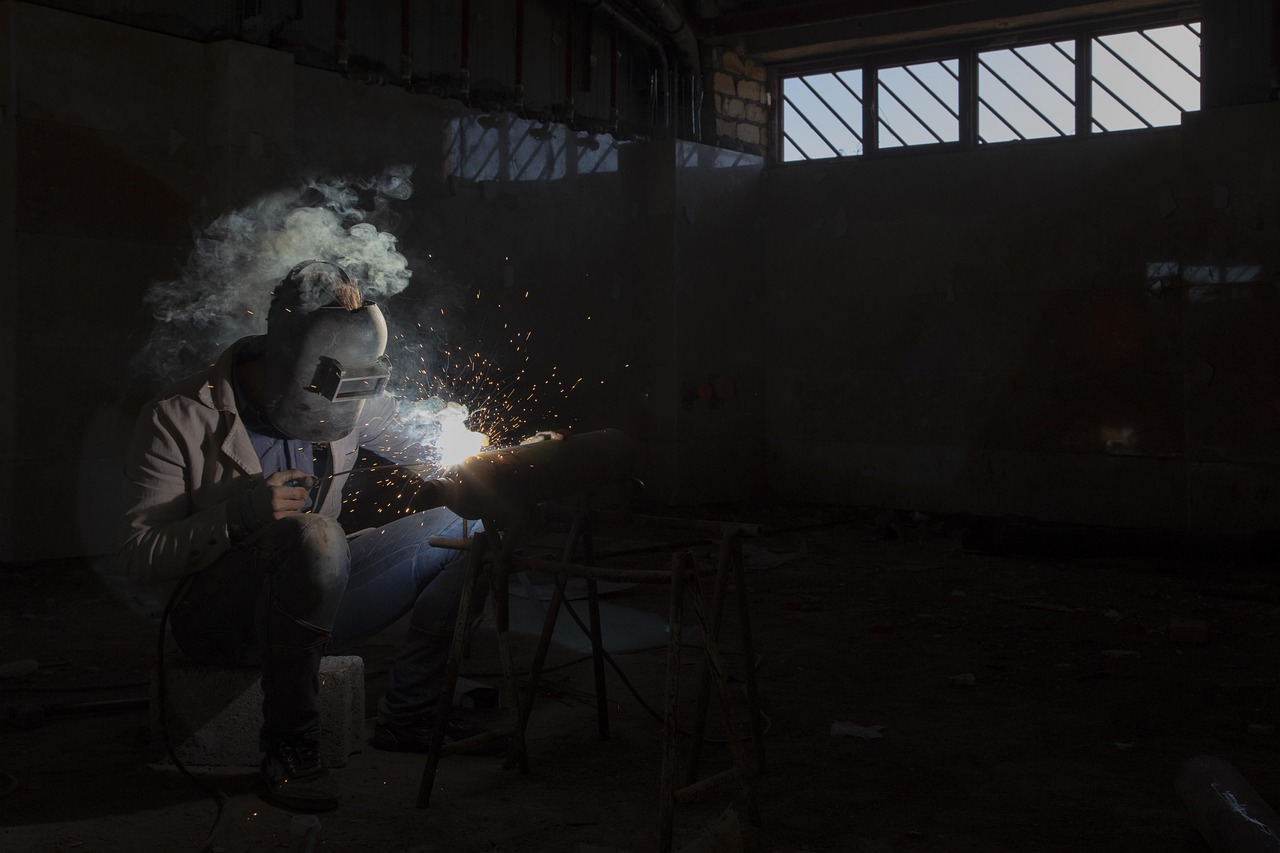
OSHA’s asphalt fume topic page says more than a half-million U.S. workers are exposed to asphalt fumes, with possible effects such as headache, skin rash, throat and eye irritation, cough, and fatigue. The Bureau of Labor Statistics also reports 166,700 roofer jobs in 2024 and describes roofing as one of the occupations with high injury and fatality rates. The site plan should therefore include fire extinguishers, hot work permits where required, ventilation, PPE, roof-edge protection, and a fire watch after the work is finished. These controls are basic, but they are often what keeps a normal job from becoming a claim.
How Should You Specify and Buy These Membranes?
Buying torch applied bituminous membranes is not only a matter of choosing a 3 mm or 4 mm roll. A useful specification should connect climate, substrate, roof traffic, slope, detailing, approvals, packaging, and installer skill. If one of these items is left unclear, the cheapest offer can become the most expensive roof later.
Match APP or SBS to Climate
For hot and sunny roofs, APP cap sheets with mineral surfacing are often selected because they handle heat well. For colder regions or structures with more movement, SBS systems may be a better fit because they offer flexibility. Public sources do not give one service-life number that applies to every torch applied bituminous membrane, since climate, slope, UV exposure, drainage, traffic, and workmanship all affect the result. Treat any simple “lasts 30 years” claim carefully unless the warranty and maintenance terms support it.
Check Thickness Reinforcement and Standards
Ask for technical data sheets showing thickness, mass, reinforcement type, tensile strength, elongation, low-temperature flexibility, heat resistance, and relevant ASTM or EN standards. Also check the roll storage instructions before the shipment is accepted. Rolls stored standing, kept dry, and protected from direct sun are easier to apply cleanly. A crushed or overheated roll can make a good product look poor before it even reaches the roof.
Ask for System Documents and Samples
Before approving a supplier, ask for the full system build-up, primer recommendation, lap width, flashing details, drain details, warranty terms, and a physical sample. For export projects, also confirm packaging strength, pallet size, container loading, shelf life, and marking language. These points are not only document checks; they affect storage, installation, and claims if something goes wrong. A simple buying checklist helps:
- Deck type and fire limits are confirmed before torch work.
- Base sheet, cap sheet, and primer come from a compatible system.
- Installer training and hot work rules are written into the contract.
- Lap quality, bleed-out, and flashing details are inspected daily.
- Maintenance access and drainage are planned before handover.
FAQ
Q1: Are torch applied bituminous membranes suitable for all roofs? A: No. They suit many low slope concrete or compatible bituminous roofs, but they may be wrong near combustible decks, sensitive interiors, poor ventilation, or sites that cannot control hot work safely.
Q2: What is the difference between APP and SBS membranes? A: APP membranes are plastomeric and often chosen for heat resistance, while SBS membranes are elastomeric and valued for flexibility. The right choice depends on climate, movement, exposure, and project specification.
Q3: How can you tell if a torch seam is properly bonded? A: A proper seam usually shows even heat, firm contact, and a small continuous bead of melted bitumen at the lap. Dry edges, fishmouths, wrinkles, or burnt reinforcement are warning signs.
Q4: Can torch applied membranes be installed over an old roof? A: Sometimes, but only after the existing roof is checked for moisture, adhesion, compatibility, blisters, and structural condition. Wet insulation or loose old layers should be removed or repaired first.
Q5: What should you ask a supplier before ordering? A: Ask for data sheets, standards, reinforcement details, roll thickness, primer guidance, lap details, storage rules, warranty terms, packaging information, and proof that the system fits your substrate and climate.


