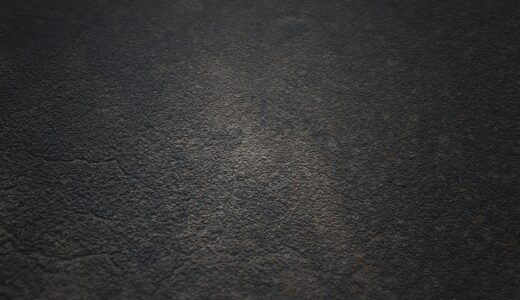
EPDM 60 mil roofing for low-slope commercial buildings

EPDM 60 mil roofing is a single-ply synthetic rubber membrane with a nominal thickness of 0.060 inches, or about 1.5 mm. It is widely used on low-slope commercial and institutional roofs when the project needs durable waterproofing without moving automatically to a heavier 75 mil or 90 mil sheet. For many buildings, 60 mil EPDM is a practical middle specification, but it should not be selected by thickness alone. Attachment method, seam detailing, flashing design, insulation, drainage, wind-uplift requirements, roof traffic and maintenance all shape long-term performance. For more building-envelope topics, visit the Membranes section.
What EPDM 60 mil roofing means
EPDM stands for ethylene propylene diene monomer, a synthetic rubber used in thermoset single-ply roof membranes. In roofing, “mil” means one thousandth of an inch. A 60 mil membrane therefore has a nominal thickness of 0.060 inches. It is not the same as millimeters; 60 mil is approximately 1.52 mm.

ASTM International’s D4637/D4637M standard covers EPDM sheet intended for single-ply roof membranes exposed to weather. The standard recognizes non-reinforced, internally reinforced and fabric-backed EPDM sheets, but it does not design the entire roof assembly. Fire classification, wind uplift, field seams, compatibility, insulation, fasteners and flashing details are addressed through system design, code requirements and manufacturer specifications.
That distinction is important. A 60 mil sheet is the membrane layer, not the complete roof system. The finished roof may also include the structural deck, vapor control where required, insulation, cover board where used, adhesive or fasteners, perimeter securement, flashing, drains, edge metal and provisions for maintenance access.
Where 60 mil fits among common EPDM thicknesses
EPDM membranes are commonly available in several thicknesses, including 45 mil, 60 mil, 75 mil and 90 mil, depending on the manufacturer and reinforcement type. The 60 mil category is often specified because it provides more membrane thickness than 45 mil while avoiding the added material weight and cost of thicker sheets.
| Membrane thickness | Typical role in specification | Key consideration |
|---|---|---|
| 45 mil | Budget-sensitive, lower-traffic roofs where the system is otherwise well protected | May be less forgiving where puncture risk or maintenance traffic is higher |
| 60 mil | Balanced option for many low-slope commercial roofs | Still depends heavily on seams, flashing, attachment and roof-use conditions |
| 75 mil or 90 mil | Higher-abuse areas, longer-term specifications or projects requiring added membrane robustness | Higher material weight and cost must be justified by project conditions |
Thickness is not a substitute for design judgment. A well-designed 60 mil EPDM roof with suitable attachment, drainage and detailing can outperform a thicker membrane installed over a poor substrate or with weak perimeter securement.
Attachment method changes roof behavior
EPDM 60 mil roofing can be used in several assembly types. The attachment method affects cost, installation speed, wind performance, appearance and service access. The appropriate choice depends on the deck, building height, local wind exposure, climate, code requirements and the manufacturer’s tested assemblies.
| Attachment method | How it works | Where it may fit | Design caution |
|---|---|---|---|
| Fully adhered | The membrane is bonded to the approved substrate with adhesive | Projects where a smooth appearance and continuous support are priorities | Substrate condition, adhesive coverage and weather during installation are critical |
| Mechanically attached | Fasteners and plates secure the membrane or insulation at designed spacing | Large roofs where speed and predictable fastening patterns are important | Fastener layout must match wind-uplift requirements, especially at perimeters and corners |
| Ballasted | The membrane is loose-laid and held by stone ballast or pavers | Suitable structures that can support added dead load and where ballast is acceptable | Structural capacity, drainage, ballast displacement and access for inspection must be reviewed |
Because attachment systems are tested as assemblies, designers should avoid mixing components casually. The membrane, insulation, cover board, fasteners, adhesives and edge securement need to work together as an approved system.
Performance depends on details, not only membrane thickness
The membrane field matters, but many low-slope roof problems start at transitions, penetrations and edges. Curbs, drains, parapets, pipe penetrations, expansion joints and roof hatches create concentrated risk because water, movement and workmanship all meet in the same location.
Seams are another major design and installation focus. Modern EPDM systems commonly use seam tapes and pressure-sensitive accessories rather than older liquid-applied splice-only approaches. Seam performance depends on clean surfaces, correct primer use where required, proper rolling pressure and installation within manufacturer temperature and weather limits.
Drainage should be addressed early. Low-slope does not mean no-slope. Standing water can increase dirt accumulation, biological growth, freeze-thaw stress and maintenance difficulty. Roof layout should direct water to drains, scuppers or gutters, and tapered insulation may be needed when the structural deck does not provide enough slope.
Roof traffic should also influence the specification. HVAC service paths, window-washing routes and rooftop equipment zones may need walkway pads or sacrificial protection. If a roof will receive frequent maintenance traffic, the designer should consider cover board, thicker membrane options or dedicated protection around access points.
Standards, warranties and documents to review
For EPDM 60 mil roofing, ASTM D4637/D4637M is a useful starting point because it defines the material category and minimum physical-property framework for EPDM sheets used in single-ply roofing. Manufacturer data sheets then show how a particular 60 mil product is classified, such as non-reinforced Type I or reinforced Type II, and list tested properties such as tensile strength, elongation, tear resistance, puncture resistance and heat-aging results.
Warranty documents need separate review. A warranty period is not simply a membrane-thickness label. It may depend on the full system, attachment method, insulation, cover board, slope, edge metal, flashing details, contractor approval, inspection and maintenance obligations. Some warranties cover watertightness under defined conditions, while others are limited material warranties. Building owners should read exclusions carefully before treating a warranty term as a service-life promise. See also: Coatings.
Project specifications should identify the exact membrane type, nominal thickness, color, reinforcement, attachment method, insulation type and thickness, cover board requirements, flashing accessories, walkway protection, drainage corrections and applicable tested assemblies. Vague language such as “60 mil rubber roof” is not precise enough for a commercial roof project.
Black versus white EPDM
Black EPDM has historically been common, but white EPDM products are also available from major manufacturers. The color decision should be made in the context of climate, energy goals, rooftop use and code or program requirements.
U.S. Department of Energy and ENERGY STAR cool-roof guidance generally explains that lighter, more reflective roof surfaces can reduce heat absorption and may lower cooling demand, especially in hot, sunny climates. That does not mean every building should automatically use a white membrane. In colder climates, with highly insulated roofs, or where winter heating demand is more important than summer cooling, the energy calculation may be different.
Other practical issues can matter as well. White membranes may show dirt more readily, while black membranes may reach higher surface temperatures under strong sun. If energy performance is a project driver, the owner should ask for tested reflectance and emittance values and evaluate them with the building’s insulation level, HVAC system and local climate.
Specification checklist before choosing 60 mil EPDM
A 60 mil membrane can be a strong specification when the project conditions support it. Before approving the system, owners, designers and facility managers should review the following points:
- Confirm whether the roof is new construction, recover or full tear-off.
- Verify deck type, deck condition and structural capacity.
- Determine whether a vapor retarder is needed based on climate and building use.
- Specify insulation R-value, tapered insulation and cover board requirements.
- Select the attachment method using tested wind-uplift assemblies.
- Identify high-traffic zones and add walkway or protection details.
- Review drains, scuppers, overflow drainage and ponding-water risks.
- Detail penetrations, curbs, parapets, edge metal and expansion joints.
- Check manufacturer requirements for adhesives, primers, seam tapes and flashing accessories.
- Clarify warranty type, term, exclusions, inspection process and maintenance duties.
The most useful question is not “Is 60 mil thick enough?” but “Is this 60 mil EPDM system appropriate for the building, exposure, use and maintenance plan?” That framing leads to better decisions because it treats the membrane as one part of the roof assembly.
Frequently asked questions
Is 60 mil EPDM good for a commercial roof?
It can be a suitable choice for many low-slope commercial roofs when it is part of a properly designed and installed system. The roof’s success depends on attachment, seams, flashing, drainage, insulation, traffic protection and maintenance, not just membrane thickness.
How long can a 60 mil EPDM roof last?
Service life varies by climate, design, workmanship, rooftop use and maintenance. Industry sources such as the EPDM Roofing Association report that properly designed, installed and maintained EPDM roofs can provide decades of service, with many roofs exceeding typical warranty periods. A specific roof should be assessed by inspection rather than age alone.
Is reinforced or non-reinforced 60 mil EPDM better?
Neither is automatically better for every project. Reinforced EPDM may be selected where dimensional stability, mechanical attachment or higher stress conditions are priorities. Non-reinforced EPDM remains common in many adhered and ballasted applications. The best choice depends on the tested assembly and manufacturer requirements.
Can people walk on a 60 mil EPDM roof?
Occasional maintenance access is normal, but EPDM should not be treated as a walking surface. Frequent traffic areas should have walkway pads or other protection, especially around HVAC units, roof hatches, drains and service routes.
Does 60 mil mean the entire roof is 60 mil thick?
No. The 60 mil measurement refers to the nominal membrane thickness. The complete roof assembly includes multiple layers such as deck, vapor control if required, insulation, cover board, membrane, flashing and accessories. At seams and details, the built-up thickness may differ from the field membrane.