
Are Self Adhesive Bituminous Membranes Better than Torch Applied Waterproofing?
Why Are Self Adhesive Bituminous Membranes Getting More Attention?
On many roofing and waterproofing jobs, self adhesive bituminous membranes are no longer treated as a small backup item. We now see them on low-slope roofs, metal roof details, basement walls, podium decks, bathrooms, balconies, and repair areas where open flame is not welcome. The working method is easy to understand: peel off the release film, set the sheet in place, press it down, and seal the laps. It looks simple, but the job still needs care. Bonding depends on the surface, temperature, pressure, and how the details are handled.
Peel and Stick Waterproofing Chemistry
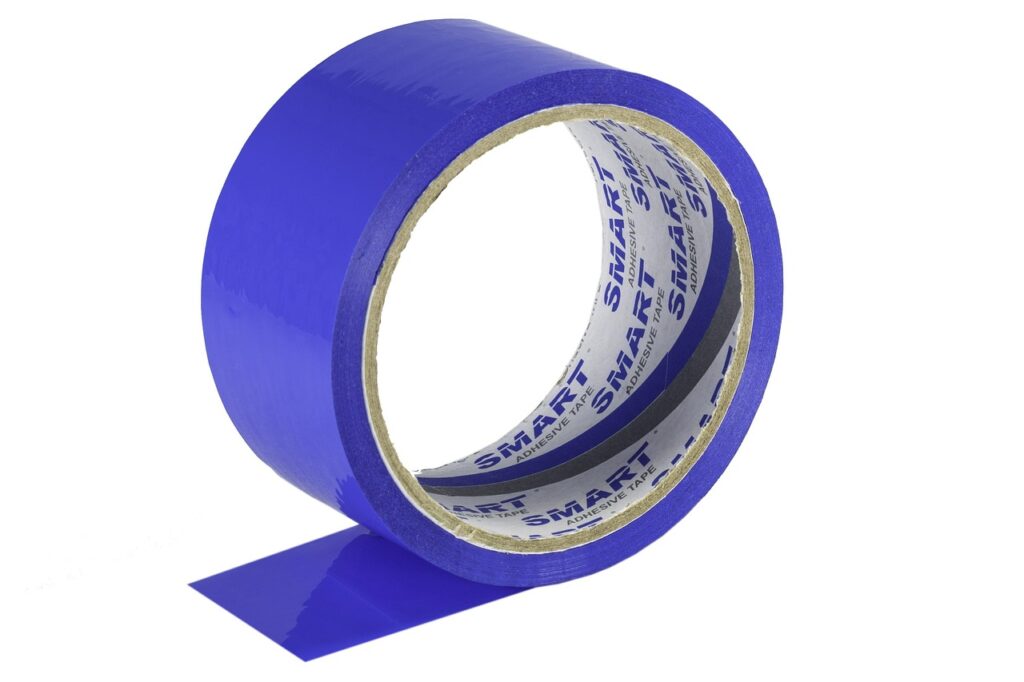
A common self adhesive bituminous membrane uses modified bitumen mixed with polymers, then laminated to a carrier such as polyester, fiberglass, aluminum foil, HDPE film, or mineral granules. The adhesive side is covered by a release liner, so the roll can be stored and handled before use.
After the liner is removed, the tacky bitumen layer bonds to primed concrete, metal, wood, insulation board, or another suitable sheet. Good products feel sticky but controlled. They should not flow badly in hot weather, and they should not turn hard and brittle when the temperature drops.
Safer Installation Without Open Flame
The main reason many contractors like this system is that it avoids torch work during the main application. NRCA materials on modified bitumen explain that traditional systems are often installed by torching, hot bitumen, or cold adhesive, while self adhesive sheets became more common because of worker safety, insurance, and jobsite control issues.
That point matters on wood decks, occupied buildings, warehouses, and renovation projects. A small waterproofing repair should not create a fire incident, and most site managers would rather remove that risk when the specification allows it.
Fit for Roofs, Basements, and Details
These membranes work well in areas where a continuous waterproofing layer matters more than fast coverage alone. Eaves, valleys, parapet bases, pipe penetrations, retaining walls, wet rooms, and balcony corners are regular use areas.
For export buyers, this wide use also helps stock planning. One membrane family can serve several trades, provided the surface finish, reinforcement, and thickness match the actual job.
How Do These Membranes Work in Real Waterproofing Jobs?
The sheet does not solve site problems by itself. It works because the adhesive layer stays tight against the substrate and blocks water paths. If the installer leaves dust, water, loose cement laitance, or air under the sheet, the membrane may look fine at first, then lift at laps or blister after sun exposure. A membrane is only as good as the surface it bonds to, and that simple point is where many repair costs start.
Clean Substrate Contact
Concrete should be cured, dry, sound, and free from release oil. Metal should be clean and free from rust. Plywood or OSB should be fixed firmly, with no raised fasteners that can damage the sheet.
Most manufacturers ask for primer on porous or dusty surfaces. Primer is not for appearance. It holds fine dust, improves tack, and helps the sheet grip instead of sliding. On a basement wall, that can decide whether the work stays neat or turns into a wrinkled problem.
Lap Design and Roller Pressure
Side laps and end laps need enough width to form a proper water stop. Many project specifications use about 75 mm for side laps and 100 mm or more for end laps, but the product data sheet and local code should always come first.
After the sheet is placed, pressure is not optional. A hand roller at laps and a heavier roller on open areas help push the bitumen into small pores and close minor air channels. This step is basic, but skipped rolling is a common reason for callbacks.
Detail Zones That Decide Performance
Leaks often start at edges, corners, drains, outlets, and pipe sleeves. The open field may look tidy, while one inside corner allows water to travel behind the whole system.
Use pre-cut patches, corner pieces, fillets, or compatible sealant where movement or shape changes are expected. On vertical work, mechanical termination at the top edge is often needed, because heat and gravity will keep working after the installer leaves.
Are They Better than Torch Applied or Liquid Systems?
Better depends on the job. Self adhesive membranes are not always stronger than torch applied modified bitumen, and they are not always more flexible than liquid-applied systems. Their value is the mix of factory-controlled thickness, cleaner installation, and lower hot work risk. The tradeoff is clear: they need a clean, dry, compatible substrate. If the site is wet, freezing, or full of dust, peel-and-stick installation becomes much less dependable.
Lower Hot Work Risk
NRCA’s CERTA guidance exists because torch-applied polymer-modified bitumen uses open flame and needs fire-safe practice, especially near combustible substrates. Self adhesive sheets remove the flame from the main installation step.
This does not remove normal roof safety duties, but it does cut one known hazard. For schools, hospitals, logistics buildings, timber decks, and renovation works, that can be enough to decide the system choice.
More Predictable Factory Thickness
A sheet membrane arrives with controlled thickness, reinforcement, surface finish, and roll width. Liquid waterproofing depends a lot on the applicator reaching the right wet film thickness on site.
Good crews can control that, but rushed crews often miss it. With a bituminous sheet, supervisors can check overlaps, alignment, damage, and coverage more easily. They can touch it and measure it, which is useful when the schedule is tight and the roof still has to pass inspection.
Limits on Cold, Dust, and Wet Surfaces
The weak point is sensitivity to bonding conditions. Low temperature can reduce tack, damp concrete can trap vapor, and dust can sit between the sheet and substrate like a release layer.
Some membranes are made for colder application, while others need warmer storage before installation. A reliable supplier should give clear minimum application temperatures, primer instructions, and storage guidance. If that information is missing, the low price needs a closer look.
What Should You Check Before Buying for an Export Project?
For international buyers, the membrane is only one part of the purchase. Documentation, packaging, labeling, and climate fit are also part of the order. A distributor in the Gulf, a contractor in Northern Europe, and a warehouse buyer in South America may ask for the same product keyword, but they may not need the same roll construction.
Standards and Test References
ASTM D1970/D1970M:2025 covers self-adhering polymer modified bituminous sheet materials used as steep roofing underlayment for ice dam protection. Buyers often mention this standard when comparing ice and water shield products.
For low-slope roofing, below-grade waterproofing, or bridge deck work, other standards and approvals may be needed. Ask for test reports that match the final use, not just a logo printed on a brochure.
Roll Size, Thickness, and Surface Finish
Common thickness choices run from about 1.0 mm to 4.0 mm, depending on whether the membrane is used as underlayment, flashing, basement waterproofing, or cap sheet. The surface finish changes how the product is used on site. See also: Coatings.
Aluminum film helps reflect heat. HDPE film is common below grade. Sanded or mineral surfaces may work better with mortar, screed, or exposed roof conditions. Roll weight also needs attention, because a 4 mm roll carried up a ladder is not a small package.
Storage, Packaging, and Climate
Bituminous products do not like poor storage. Keep rolls upright when the supplier requires it, protect them from long sun exposure, and avoid crushing during container loading.
In hot regions, release film quality is important because weak liners can tear or stick before installation. In cold regions, low-temperature tack becomes the bigger concern. Good export packaging should handle humidity, sea freight, forklift movement, and warehouse stacking without giving the installer a damaged roll.
How Should You Install Them for Fewer Callbacks?
Callbacks usually come from small missed steps, not one big mistake. The installer skips primer on dusty concrete. A lap is not rolled. A drain patch is cut too tight. The top edge on a wall is left without termination. Water finds these points, so a short checklist is worth using on every job.
Surface Preparation Before Peeling
Start with a dry, smooth, stable surface. Fill voids, grind sharp ridges, remove loose particles, and fix fasteners before the roll is opened.
Apply primer where required and let it dry as the supplier states. Do not rush the release liner. Peel a short section first, align the sheet, then keep pressing as you move forward. If the whole liner is pulled off at once on a windy roof, the sheet can fold onto itself, and nobody wants to fight a sticky roll in the air.
Safe Work Planning on Roofs
OSHA continues to identify falls as the leading cause of fatalities in construction, and its re-roofing guidance says more than one-third of fall deaths in residential construction are caused by falls from roofs. A self adhesive membrane removes torch flame, but it does not remove fall hazards.
Plan guardrails, anchors, harnesses, ladders, material staging, and weather limits before rolls reach the roof. This is not paperwork for show; it affects how fast and safely the crew can work.
Post Installation Inspection
After installation, check laps, wrinkles, fishmouths, punctures, edges, and transitions. Cut and patch damaged areas with the required overlap, and do it before other trades cover the problem.
On below-grade walls, protect the membrane before backfilling because sharp stone can damage a neat installation in minutes. On exposed or temporary roof areas, confirm the product is rated for UV exposure if it will stay uncovered. Many self adhesive layers are designed to be covered, not used as the final finish.
What Do Public Data Sources Say About the Bigger Building Context?
Waterproofing can look like a small cost item until water gets inside the building. Then it can affect insulation, ceiling boards, wiring, stored goods, interior finishes, and sometimes production equipment. Public data does not give one fixed return-on-investment number for self adhesive bituminous membranes, and one number would not fit every project. Still, several known sources show why better building envelope protection matters.
Water Intrusion Has a Cost
The Insurance Institute for Business & Home Safety has reported that when roof cover is lost and the deck is exposed, about 65% of water hitting that exposed deck can enter the home, causing two to three times more damage. This finding comes from storm and wind-driven rain research, not from a membrane sales leaflet.
The site lesson is easy to understand. Sealed roof decks and water-blocking layers can reduce the chance that roof damage turns into interior damage.
Waste Reduction Starts With Durable Layers
The U.S. Environmental Protection Agency estimated in its 2020 Sustainable Materials Management fact sheet that the United States generated 600 million tons of construction and demolition debris in 2018, including about 15.1 million tons of asphalt shingles. That amount shows how expensive early tear-off can be for both the project and the waste stream.
A waterproofing layer that helps avoid early replacement can reduce waste at project level. It is not a simple sustainability label, but longer service life usually means fewer damaged boards, less replacement work, and fewer truckloads leaving the site.
Better Roofs Support Lower Building Risk
The IEA and partner organizations reported in the 2023 Breakthrough Agenda that building operations represented 26% of energy system emissions, while embodied emissions from construction materials added about 7%. Waterproofing does not cut energy use by itself.
Even so, dry insulation performs better than wet insulation, and durable roofs protect materials that are already installed. In real buildings, keeping water out is part of keeping the designed performance in place.
FAQ
Q1: Are self adhesive bituminous membranes fully waterproof? A: They can form a continuous waterproofing layer when installed on a clean, dry, compatible substrate with correct laps, roller pressure, and protected details. Poor surface preparation can still lead to leaks.
Q2: Do you need primer for every installation? A: Not always, but primer is strongly recommended on porous concrete, masonry, dusty surfaces, metal, and many vertical applications. Follow the product data sheet instead of guessing on site.
Q3: Can these membranes replace torch applied modified bitumen? A: In many details and some full systems, yes. The project design, slope, substrate, fire risk, exposure, and local code decide whether self adhesive sheets are a proper replacement.
Q4: What thickness should you choose? A: Thin membranes are often used for underlayment and detail work, while thicker reinforced sheets fit roofs, basements, and heavier waterproofing tasks. Match thickness to exposure, movement, and protection needs.
Q5: How should rolls be stored before installation? A: Store rolls dry, shaded, and upright if the manufacturer requires it. Keep them away from long heat exposure, freezing conditions, crushed pallets, and damaged release film.


