What Is Bitumen Membrane Used For?
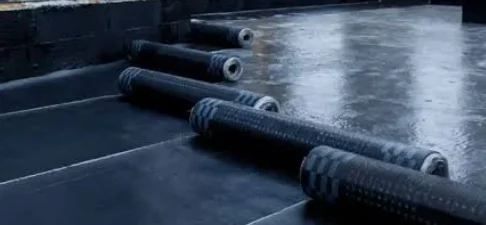
The bitumen membrane is a type of waterproofing material used in construction for roofing purposes as well as in basement construction, tunnel construction and bridge construction. It provides a long-lasting protection against water penetration by formating a continuous and flexible barrier. Modern infrastructure is often protected with bitumen membranes as they are very durable, resistant to temperature changes and withstands all kinds of structural movement. Many civil engineers and architects choose this type of waterproofing layer as it is reliable and durable.
How Does Bitumen Membrane Function as a Waterproofing Solution?
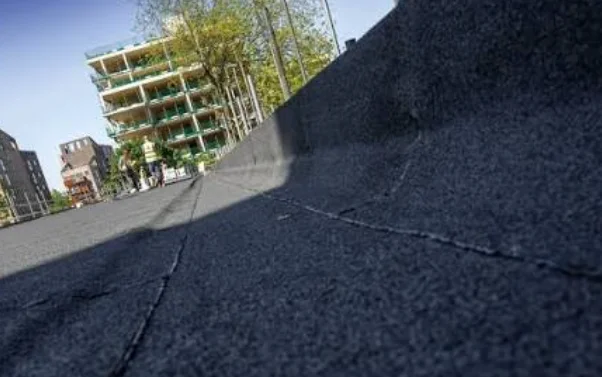
The bitumen membrane forms the main defense against moisture. They are composed of bituminous compounds with polyester or fiberglass mats. When correctly applied, the membrane will form a completely impermeable and tight bonded layer on the surface.
Composition and Material Structure
A bitumen membrane consists of multiple layers: a base reinforcement sheet, modified bitumen coating, and protective film. The reinforcement enhances tensile strength while the bitumen compound ensures flexibility and adhesion. This layered structure allows it to resist cracking even under thermal stress.
Application Techniques
There are several methods for the installation of waterproofing membranes depending upon the particular application. First there are the Torch Applied systems, that are glued to the substrate using heat. Then there are the Self-Adhesive systems that have a pressure-sensitive backing. Cold-Applied membranes are also becoming popular, for applications where an open flame is a problem. The objective with all of these systems is to apply them in a continuous manner to prevent areas of weakness.
Performance Characteristics
The performance of a bitumen membrane is dependent on the formulation used and the quality of the installation. High-grade bitumen membranes are flexible at low temperatures and offer resistance to degradation caused by UV radiation when used as a roof covering. A well-installed system will last for more than 20 years with minimal maintenance.
Where Is Bitumen Membrane Commonly Applied?
Protective coatings are used extensively across various infrastructure sectors. Protective coatings have many applications above ground and below ground. They are also cost effective.
Roofing Systems
Bitumen membranes on flat or low-slope roofs prevent water from ponding penetrating into concrete slabs. Bitumen membranes can be used as single layer systems or in multi-layer systems in combination with insulation boards or with reflective coatings to improve energy efficiency.
Basement and Foundation Protection
Below-grade waterproofing involves using specially designed waterproofing products that are able to resist hydrostatic pressure, the pressure that groundwater places on structures below ground level. The use of a bitumen membrane below ground forms a complete wrap around foundation structures, ensuring that the waterproofing of the structure’s concrete walls is fully protected from moisture related damage.
Civil Engineering Structures
In addition to roof membranes, bituminous waterproofing systems are commonly used as an impervious coating for various civil engineering structures, including bridges, tunnel linings, parking deck slabs and reservoirs. They offer excellent resistance to structural corrosion as well as to weathering by freeze and thaw cycles, and provide superior mechanical strength and chemical resistance.
What Are the Different Types of Bitumen Membranes?
There are a number of variants of manufacturers’ products, suited for particular environmental circumstances or particular modes of installation. Typically, the choice between them is a matter of expectations of performance — i.e. flexibility, adhesion, resistance to UV degradation etc.
APP Modified Bitumen Membranes
Atactic Polypropylene (APP) modified membranes have high temperature stability and are suitable for hot weather. These membranes are hard and do not soften too much at high temperatures and therefore maintain their shape and do not loose strength.
SBS Modified Bitumen Membranes
The SBS modified versions of bitumen remain elastic at lower temperatures. These modified versions are especially suitable for colder climates and for structures subject to vibration and movement.
Self-Adhesive Bitumen Membranes
These types of adhesives eliminate the need for flaming or heat during application. For that reason they are preferred for installation in confined spaces. In general for use in sensitive environments such as a hospital where open flames could pose a hazard to others.
Why Is Bitumen Membrane Preferred Over Other Waterproofing Materials?
Bituminous membranes are more widely used than alternatives such as PVC sheets or liquid coatings for example, as these offer a good mix of durability and cost effectiveness.
Longevity and Durability
Due to the bitumen’s natural water repellence and its polymer modification, it can achieve a long service life even under harsh weather conditions. However, by undertaking regular inspections any small defects can be identified and repaired to prevent them becoming major problems and compromising the system as a whole.
Cost Efficiency
In comparison to synthetic products, bituminous products offer the same level of protection at lower material costs and with simpler application methods. This also saves a lot of work on larger construction sites.
Compatibility With Construction Materials
Bituminous compounds bond to concrete, metal, wood and masonry surfaces without the need of a primer in most cases. They are very compatible with all building components thus simplify design coordination of the various building parts.
How Is Maintenance Conducted on Bitumen Membrane Systems?
How long a waterproofing system remains effective after application depends on the maintenance of the system.
Inspection Procedures
Occasional visual checks for cracks, punctures or blisters can identify potential leaks before they become serious. Infrared thermal imaging can also reveal the presence of moisture trapped between layers of a building envelope without having to dismantle any components.
Repair Methods
Repairing minor damages to existing waterproofing membranes is possible by using compatible membrane sheets that are glued on to the affected areas. Repairing aged systems nearing the end of their service life, that are still in good overall condition, can be done by using partial overlay restoration in order to extend their service life instead of having to replace the entire system.
Preventive Measures
Exposure of membranes to roofing service platforms can cause UV degradation and mechanical damage from foot traffic and debris. Protective coatings can be applied over exposed membranes to minimize these effects.
What Are Emerging Trends in Bitumen Membrane Technology?
Progress in technology is continuing to develop new performance criteria and ways of addressing sustainability for the global construction industry.
Eco-Friendly Formulations
Manufacturers are developing low-VOC adhesives and recycled polymer blends that reduce environmental impact during production and disposal stages.
Smart Installation Systems
Digital monitoring sensors which can be embedded into waterproofing layers enable real time leak detection. Waterproofing layers for leak detection in monitoring are increasingly being specified for high value projects, such as data center build and airport development.
Enhanced Thermal Reflectivity
Reflective surfacing technologies integrated into top films help reduce heat absorption on flat roofs, improving indoor comfort levels while cutting cooling energy demands during summer months.
FAQ
Q1: Can bitumen membrane be applied over old roofing? A: Yes, providing the existing surface is clean and stable. The majority of bitumen membrane installations are what are referred to as “overlay” installations, where the existing surface is properly prepared and the new bitumen membrane is laid on top.
Q2. What is typical thickness of a bitumen membrane? A. Bitumen membranes should be 3 mm to 5 mm thick depending on level of exposure and structural requirements of building.
Q3: How does temperature affect installation quality? A: In extreme cold adhesion is hindered. In extreme heat materials can become too soft to handle and install. Moderate ambient temperature is best for optimal bonding results.
Q4. Are all bitumen membranes UV-resistant? A. No. Not all bitumen membranes are UV-resistant. APP-modified bitumen roofing membranes are generally more suitable for outside exposure to the sun than SBS modified bitumen membranes. In most cases, SBS bitumen membranes require to be coated on outside exposure to be UV-resistant.
Q5. What is the average lifespan of a system that is properly maintained? A. High-quality buildings with waterproofing systems can perform effectively for more than 20 years if they are periodically inspected.