
How Durable Is PVC Membrane?
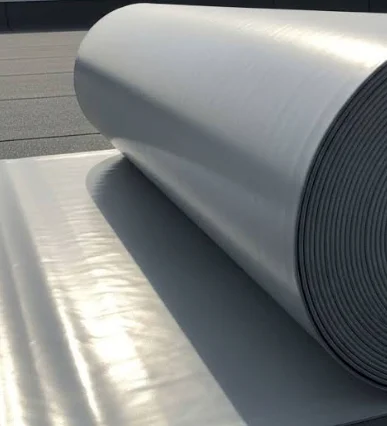
PVC membrane is a very popular material for roofing, waterproofing and industrial applications, due to its long lasting properties and resistance to harsh environments. For the builders and engineers in the field of building and materials, the durability of the PVC membrane is more than a marketing promise. A correct installation of the PVC membrane can last more than 25 years and still remain flexible and strong, even after exposure to UV-radiation, chemicals and temperature fluctuations.
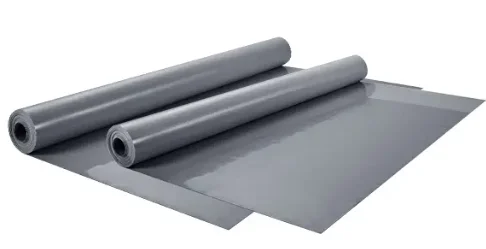
What Factors Affect the Durability of PVC Membrane?
PVC membrane has a service life. The service life depends on several different factors. The factors that determine the service life of PVC membrane are the environmental influences, the quality of the work during the installation, and the chemical composition of the polymer. All the different factors together determine how long a PVC membrane will still function properly.
Environmental Exposure Conditions
Special designs of PVC membranes are developed to resist extreme stress such as high UV radiation and ozone exposure and variable temperature. Whilst higher contents of UV stabilizers than recommended by the producer allow membranes that are more resistant to degradation in hot climates, flexible plasticizers have to retain their flexibility in cold temperature. As a consequence, for instance roofing systems in coastal cities are made of reinforced PVC membranes as they are more resistant to salt corrosion than any other polymer.
Installation Quality
The very best materials will fail if not installed correctly. The welding of seams and the preparation of the substrate is crucial to the long term performance of any waterproofing system. A single poorly welded joint can be enough to compromise the whole system. Professional installers use hot-air welding to form a permanent seal to waterproofing sheets. Regular inspection during installation will pay dividends in the long run to prevent future repair bills.
Chemical Composition and Additives
The durability of PVC membranes is strongly related to the formula used in the production of the PVC membrane. By using suitable plasticizers the flexibility of the membrane can be increased. Stabilizers guarantee heat stability and resistance to UV radiation. Fillers increase the mechanical strength of the PVC membrane. Some additives are more expensive than others, however they can increase the lifespan of the PVC membrane considerably. There are large differences between for example a roof membrane, a pond liner and a tunnel liner. All have to withstand extreme weather conditions, but in a different way.
How Does PVC Membrane Perform Against Environmental Stress?
After installation the PVC membrane is exposed to environmental influences such as solar radiation, to wetting and drying cycles and to pollution. The resistance of the PVC membrane against these influences determines the actual lifespan of the cover.
Resistance to UV Radiation
Ultraviolet rays are a primary cause of polymer degradation. Over time UV radiation can cause cracking of molecules within the polymer, which in turn can cause the material to become brittle, or allow colorants within the polymer to fade. Many modern PVC roofing membranes are stabilized against surface degradation by using pigments, such as titanium dioxide, and by incorporating in the compound UV stabilizers which either scatter or absorb harmful rays. In practice the results from various field tests on roofing membranes after 20 years or more of exposure indicate that with the correct choice of stabilizer surface degradation is under control.
Resistance to Temperature Extremes
Thermal expansion and contraction can fatigue materials over time. However, PVC membranes remain stable across wide temperature ranges—from -30°C up to 80°C—without cracking or deforming significantly. This thermal stability makes them suitable for both desert installations and cold storage facilities where surfaces undergo rapid temperature changes.
Moisture and Chemical Resistance
PVC’s non-porous structure prevents water absorption and resists many industrial chemicals such as acids or alkalis. This property explains why it’s used in wastewater treatment plants or chemical containment areas. Long-term immersion tests reveal negligible changes in tensile strength after months of submersion.
Why Do Some PVC Membranes Last Longer Than Others?
PVC membranes age differently. The quality of the manufacturing process as well as the type of reinforcement used are the determining factors.
Reinforced vs Non-Reinforced Structures
Reinforced membranes contain polyester or fiberglass mesh that enhances dimensional stability and tear resistance. They’re ideal for flat roofs where foot traffic occurs frequently. Non-reinforced versions are lighter but less resistant to mechanical stress—better suited for decorative or temporary uses.
Thickness Variations
Thicker membranes last longer because they consist of more material mass before it is worn away. Typical roofing materials are available in various grades of thickness, ranging from 1.2 mm up to 2 mm. Industrial grade versions are available as well, exceeding 3 mm and thus providing extra heavy-duty protection.
Manufacturer Quality Control
As quality of the product increases so does the durability of the product. This means that a consistent quality product can be made to have uniform density and less microdefects by controlling the temperature during the extrusion process. It is also very common for reputable manufacturers to put their membranes through accelerated aging tests to simulate 20 years of aging in just a matter of weeks before they are released to the market.
How Does Maintenance Influence Longevity?
Maintenance affects how long a PVC membrane system is in top condition after the installation.
Regular Inspection Programs
Minor wear and tear on roof membranes such as seam separation or punctures from debris can be picked up by routine inspections and addressed before serious damage is done. It is common practice for facility managers to schedule roof audits on a semiannual basis and, as part of that process, use infrared scanning to locate leaks which have penetrated through outer layers of a roof.
Cleaning Procedures
Accumulated dirt can seep into crevices to hold water and promote growth of microorganisms in shaded roof areas and in ponds. Annual cleaning with a mild soap solution that is not abrasive will remove dirt to preserve the shine of the surface and esthetic appeal while not damaging the coatings.
Repair Techniques
Replacing a damaged section with compatible welding materials as opposed to inferior adhesives, which degrade much faster than the parent material, is recommended. Hot-air patches can be restored to fully waterproof condition with the proper care by a trained technician.
Is PVC Membrane Environmentally Sustainable Over Time?
By itself, durability is an indicator for sustainability. Since more durable materials last longer, they generate less waste and need fewer resources throughout their complete lifecycle.
Longevity Reduces Replacement Frequency
A roof with a lifespan of 25-30 years will require less replacements than a bitumen roof with a lifespan of 10-15 years. This results in a lower carbon footprint over the entire life cycle of the building, since less material is being processed for replacements.
Recyclability After Service Life
Many recycling programs today are able to recover the old PVC membranes and either shred them into granules to use as new membrane or flooring underlay in new sheets or as aggregate in production of flooring and other sheet materials. Some producers are even operating in a closed-loop manner – in Europe the better producers are now reporting rates of recycling of over 50%.
Energy Efficiency Benefits
PVC finish in a reflective white increases the solar reflectance index (SRI) of a building finish to more than 80% and thus reduces heat absorption during summer months. It thus fulfils criteria of energy efficient building and is suitable for LEED, BREEAM etc. certification.
What Are Common Signs That a PVC Membrane Is Failing?
Even the most durable systems will at some point develop wear indicators that signal maintenance or replacement.
Surface Cracking or Discoloration
Long term exposure to UV light can cause surface chalking, often described as a powdering of the surface, which indicates that the topcoat of the paint film is eroding, while the layers beneath are intact.
Seam Separation or Lifting Edges
Seam failures caused by substandard welding during installation are typically not a long term problem and can be addressed by re-welding using the correct equipment within a five year period.
Water Ponding or Leakage Traces
Allowing water to persist creates conditions that can bring about faster deterioration by forcing liquid against seam areas as pressure increases with age. Additional drain may be warranted as localized repairs are done.
FAQ
Q1. How long does a typical PVC membrane roof last? A. The typical life of a PVC membrane roof from high quality installation is between 25–35 years, dependant upon local weather and the routine maintenance carried out on the roof.
Q2: Can you repair PVC membranes instead of replacing them? A: Yes. Small punctures and or seam separations can be hot-air welded closed, and avoid complete replacement, if caught early enough.
Q3: How does color affect durability? A: The lighter the color the more sunlight it will reflect and thus cause less thermal stress. The darker colors will absorb the sunlight quickly leading to early aging unless stabilized.
Q4. Are there environmental concerns with using PVC? A. While PVC production may include the use of chlorine-based compounds, improvements in recycling have led to a massive reduction in emissions over the ‘as formatted’ product.
Q5: How do you extend the service life of membranes? A: Perform periodic inspections twice a year, brush surfaces gently to clean them, repair minor cracks and cuts immediately and don’t place sharp objects directly on membrane surfaces. Use protective pads instead.