Why Choose EPDM Membrane for Waterproof Roofing
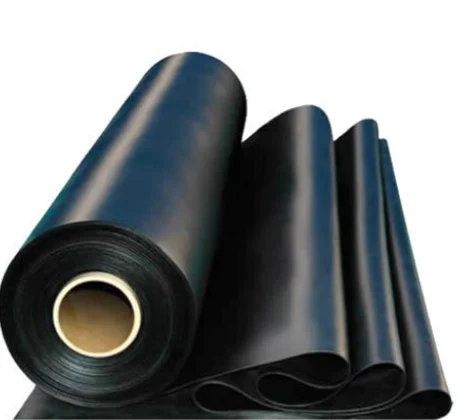
The use of EPDM membrane as the outermost waterproof layer for roofing systems is the most current practice within the waterproofing industry. Experts involved with roofing systems recommend EPDM for flat and low-sloped roofs alike because it provides an uninterrupted system that is easy to maintain. A correctly installed EPDM system can even last for more than 40 years. The benefits of EPDM and why it is currently considered as one of the solutions used by waterproofing experts around the world will be discussed below.
What Makes EPDM Membrane a Reliable Waterproofing Solution?
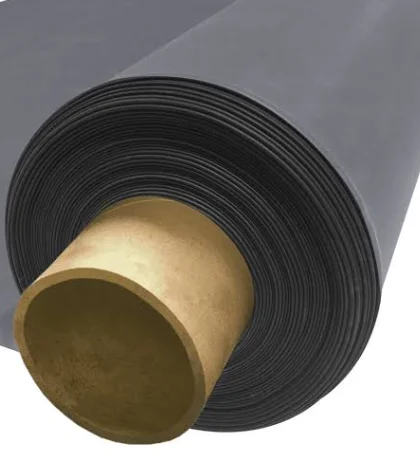
EPDM reliability is based on the special combination of the chemical composition of EPDM and the physical features of the material. The layer of EPDM prevents penetration of moisture, at the same time EPDM is very flexible and can stretch within a broad temperature range.
Composition and Material Properties
EPDM is a synthetic rubber made from ethylene, propylene and a diene monomer. Its non-polar molecular structure provides resistance to ozone, ultraviolet radiation and oxidation. As opposed to traditional bituminous materials that can become brittle and develop cracks over time, the EPDM membrane keeps flexible for decades and is able to withstand all weather conditions and the effect of sunlight.
Longevity and Performance
When an EPDM roof is installed correctly it can last for up to 40-50 years and requires very little maintenance. This makes it one of the longest lasting single-ply membranes on the market today, beating the life expectancy of most TPO and PVC roofs. Studies on commercial roofs have proven that after 40 years the EPDM still has the original tensile strength and elasticity.
Seamless Installation Methods
EPDM Sheets are supplied in large roll formats to minimize the number of seams required to complete a roof surface. However, by offering fully adhered installation options, using suitable adhesives, together with a number of mechanically fastened solutions designed for large industrial roofing applications, the potential for leakages at the seams is minimized.
How Does EPDM Membrane Perform Under Extreme Weather Conditions?
EPDM has many advantages but its ability to endure climates of extreme weather is one of its greatest strengths. EPDM membranes are resistant to freezing and cracking in winter and shrinking in summer.
Temperature Resistance
EPDM remains flexible down to -40°C and remains stable up to +120°C. As a result, EPDM can be used in a variety of climates all over the world and is also very suitable for use in dry deserts as well as in very cold countries in the North of the world. The waterproofing qualities remain intact in all circumstances.
UV and Ozone Resistance
Unlike many roofing materials that deteriorate because of ultraviolet radiation, EPDM resists photodegradation. This is because of the saturated polymer backbone of the compound. This means that the material does not lose color and is able to retain a surface which is suitable for the roofing application. The material is able to withstand long periods of exposure to the sun without suffering any deterioration.
Wind and Hail Impact Durability
In high-wind zones or areas prone to hail EPDM rubber roofing out-performs many other membranes on the market today. Highly flexible and extremely resistant to tearing in extreme situations. Laboratory tested wind uplift values on EPDM roofs that have been properly fastened exceed typical building code.
Why Is EPDM Considered Environmentally Friendly?
As concern for sustainability in construction increases EPDM offers several benefits including recyclability, increased energy efficiency and reduced adverse impact on the environment during production.
Low Environmental Footprint
Manufacturing EPDM involves fewer volatile organic compounds compared to asphalt-based materials. It also requires less energy input per square meter of produced membrane, contributing to lower embodied carbon emissions in roofing projects.
Recyclability and Reuse Potential
Old EPDM roofing can be recycled into new roofing products such as roofing tiles and covering strips or can be used as protective covering in construction such as liner for ponds, dam or as part of waterproofing system for foundations.
Energy Efficiency Benefits
With reflective coatings or as part of a green roof, even black or white EPDM can reduce cooling load in summer for energy efficient buildings.
How Does EPDM Compare with Other Roofing Materials?
As mentioned above, membranes are evaluated by professionals on the basis of cost-effectiveness, the degree of ease of installation, the level of required maintenance and long-term operating performance.
Cost Versus Value Analysis
Although the cost for initial installation is slightly higher than that for cost-effective alternatives, such as modified bitumen, higher-life-span EPDM is a cost-effective measure in the long term as it is required less frequently for repairs and maintenance for decades.
Maintenance Requirements
EPDM’s inert composition minimizes biological growth such as algae or moss formation. Routine inspections once a year are typically sufficient to maintain performance standards without costly interventions.
Compatibility with Roof Accessories
EPDM Roofs work well with a variety of Insulation boards, Vapor barriers, Skylights, Solar panels, and other building components. EPDM is very stable chemically and allows for very flexible detailing around penetrations and edges of the roof.
What Are the Key Installation Techniques for EPDM Roofing?
The success of a waterproofing system is largely determined by proper installation. As part of a construction project, the waterproofing system is installed by a general builder / contractor. Installations are carried out in accordance with specific guidelines for different types of buildings and weather/ environmental conditions.
Fully Adhered Systems
Bonds using adhesive between substrate and the membrane surface to achieve total adhesion. Offers superior wind uplift resistance especially for tall buildings and open countries exposed to extreme gusts of wind.
Mechanically Fastened Systems
Securing the membrane with fasteners along the sealed seams using additional overlapping material for structural durability. Offers speed of installation.
Ballasted Systems
Loose-laid membranes can be held down by the distribution of the loose gravel on the roof deck that is covered with pavers. This method of application uses very little adhesive, provided the building’s design can sustain the required loads.
What Maintenance Practices Extend the Life of an EPDM Roof?
Although the components of EMECR are durable enough and designed for long life, due to normal wear and tear, regular maintenance is necessary to prevent minor problems from developing into serious failures.
Regular Inspection Schedule
After a storm, it is wise to inspect your cover for any punctures or separations of the seams. Keeping the drains free of debris will prevent water to accumulate which can put a lot of pressure on the cover’s surface at a local area.
Proper Repair Techniques
Small punctures can be repaired with specially matched self-adhesive tapes designed for EPDM. No need for heat welding equipment as required for other roofing systems like PVC.
Preventive Measures Against Mechanical Damage
During rooftop equipment servicing such as HVAC maintenance put your tools on a protective mat to prevent accidental cut or abrasions on exposed membrane areas.
FAQ
Q1. How long does an EPDM roof typically last? A. An EPDM roof will last approximately 40–50 years when properly installed & maintained. The life of an EPDM roof can be affected by the amount of exposure it receives to the elements.
Q2: Is EPDM typically used on sloped roofs? A: No, although EPDM can be used on sloped roofs, it is typically used as a flat roof membrane. EPDM can be used on low sloped roofs and performs well on such applications as long as the detail at the edges and through penetrations is done correctly.
Is white better than black? White EPDM reflects solar radiation thereby reducing heat gain. Black EPDM absorbs the solar radiation thus producing heat in colder climates. Both can be used depending on the climate.
Q4: Can solar panels be mounted over an EPDM roof? A: Yes. Provided that the method of mounting the solar panels does not cause direct penetration of the roof, then solar panels can be mounted on an EPDM roof. Ballast-mounted arrays are a common method of mounting solar panels on EPDM roofs and are generally accepted to be a compatible solution.
Q5. What makes EPDM different from TPO roofing? A. Unlike TPO roofs which use heat welding at the seams, EPDM roofs use adhesives. This allows EPDM to remain flexible over a much greater range of temperatures than TPO without becoming brittle.