TPO Membrane Roofing System: Everything You Need to Know
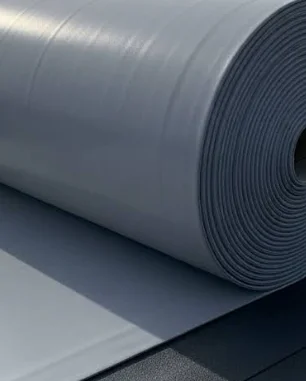
TPO roofing membranes are currently the most popular type of commercial flat roofing. They are a single-ply roofing system that provides durability and energy efficiency. TPO can be used for new builds and for re-roofing, offering a cost effective solution that is also long lasting. The white, highly reflective surface of TPO roofing membranes means that they are not only able to keep structures protected from the weather, they can also help facilities save money on cooling costs. For roofing professionals, TPO offers a number of advantages, including its versatility, and the fact that it is constantly evolving with new products and installation techniques being introduced.
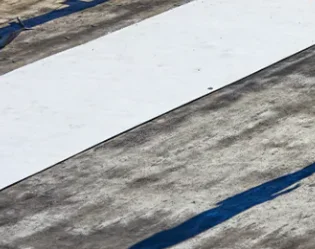
What Is a TPO Membrane Roofing System?
TPO membrane roofing is a single-ply thermoplastic system made for flat or low-slope roof applications. It is a synthetic rubber compound reinforced with polyester fabric which provides additional strength and flexibility to the roofing membrane. The heat-welded seams between TPO sheets provide a watertight seal far superior to adhesive seams found in other roofing systems.
Composition and Structure of TPO Membranes
A standard TPO membrane includes three layers: a thermoplastic polyolefin base layer, a polyester-reinforced scrim, and a top ply formulated for UV resistance. The upper layer’s reflective properties help reduce rooftop temperatures, contributing to energy savings in warm climates.
Manufacturing Process and Quality Control
The membranes made of TPO are manufactured by means of the extrusion and calendaring process. In this way it is achieved the uniform thickness of the membrane as well as the constant values of its mechanical properties. On the manufacturing process are conducted a series of tests on tensile strength, puncture resistance and weldability in order to check the reliability of the product on different batches.
Common Thicknesses and Roll Sizes
TPO Membrane is offered in the following commercial grade thicknesses: 45 mil, 60 mil and 80 mil. The widths of TPO Membrane rolls have increased in recent years to 12 foot widths and wider. As a result, the number of field seams required, and the amount of time needed to install them has been significantly reduced.
Why Is TPO Roofing Popular Among Commercial Buildings?
A significant amount of roofing done today is TPO due to cost, ease of installation and better environmental qualities such as long life with minimal maintenance required by facility managers.
Energy Efficiency Benefits
The white surface of TPO roof membranes is “reflective” and meets the criteria for being a “cool roof” as specified by ENERGY STAR. A cool roof is designed to keep the roof surface cool by reflecting solar radiation rather than absorbing it, resulting in lower roof surface temperatures during summer months. This results in reduction of cooling/heating demands of HVAC systems in buildings.
Cost-Effectiveness Compared to Other Systems
While PVC membranes may provide similar performance characteristics to TPO, TPO is typically less expensive per square foot of coverage than a PVC membrane. The heat-welded seams of TPO provide a long-lasting repair option that far exceeds the repair cost of EPDM systems that rely on adhesives or tapes for seams.
Environmental Performance
TPO is fully recyclable at the end of its service life. Unlike older roofing materials containing chlorine or plasticizers, it emits fewer volatile compounds during production and installation.
How Is a TPO Roof Installed?
Installing the TPO roof correctly is crucial to the long-term performance of the roof. By following the manufacturers installation guidelines, contractors will achieve the strongest seam and provide a roof with the best weather resistance.
Surface Preparation Requirements
To ensure a good membrane layer, the substrate should be clean, dry and smooth before application. This can be achieved by fixing the required insulation boards using the relevant fixings or by applying the insulation using a low-rise foam adhesive.
Attachment Methods
TPO membranes can be mechanically fastened in the seams or fully adhered with suitable adhesives. For large industrial buildings, TPO is also used in a ballasted system, where the membrane is held in place by stones or gravel.
Heat-Welding Process
Seams between sheets are welded using hot-air welders at temperatures around 1000°F (538°C). In order to be effective, welds are formed in such a way that monolithic joints are created which are stronger than the membrane itself and provide superior leak protection over time.
What Are the Main Advantages of Using TPO Membranes?
When searching for a roofing membrane for a building that will be used for extended periods of time the TPO roof membrane is a popular choice with roofing professionals due to the TPO roofing systems long-term performance and long life and also the TPO roof installation methods are very simple to install, and most contractors can give you a free roof estimate for a TPO roof system. Also, the TPO roof membrane is versatile enough to be used as a roof covering on many different types of buildings, including big box warehouse buildings and hospitals and healthcare facilities.
Durability Against Weathering
Resistant to cracking from UV exposure. Outperforms many other synthetic roof materials. Resists thermal cracking, remaining flexible in temperatures as low as -40°F and exceeding 250°F without degradation.
Chemical Resistance Properties
TPO is resistant to oils, fats, and certain chemicals so makes an ideal material for industrial environments such as restaurant rooftops and manufacturing plants where the exhaust from processes can contain contaminants that damage other materials.
Low Maintenance Demands
For well-maintained systems, annual inspections that clean debris from the drains and checks the seams for integrity are typically all that is required for 25 plus years before any major restoration work is required.
What Are Common Challenges or Limitations?
While TPO roofing membranes have several advantages when selecting a roofing system, there are several design or installation limitations that need to be considered for installation of the system in certain applications.
Heat-Weld Sensitivity During Installation
Using the wrong welding temperature could result in weak weld seams or burnt weld seams/edges. A quality roofing technician uses only the highest quality weld equipment and is fully trained to perform even the largest roof welds consistently.
Puncture Vulnerability
Although the thin membrane is reinforced with polyester scrim, it is still prone to punctures by sharp objects as well as excessive foot traffic. Protective walk pads should be provided at points of HVAC access as well as other points of access.
Aging Concerns in Early Formulations
Surface cracking of some early generation products has on rare occasions been reported to occur prematurely. This can occur under extreme UV exposure. Modern formulations have more effective weathering compounds. However, it is necessary for manufacturers to monitor how these products perform in service.
How Does TPO Compare With Other Single-Ply Systems?
When evaluating roofing options such as PVC or EPDM, decision-makers weigh cost against performance metrics like chemical resistance and thermal efficiency.
Comparison With PVC Roofing
PVC offers high chemical resistance, however it contains plasticizers that can migrate and cause the material to become brittle over time. TPO offers flexibility without plasticizers, also allows weldable seams, similar to the hot-air fusion method used for PVC.
Comparison With EPDM Roofing
EPDM is a cold weather installation rubber, however it is non-reflective in its natural rubber composition and would require to be coated white post installation. TPO is naturally reflective with welded seams as opposed to glued seams which are prone to failure as the roof ages.
Lifecycle Cost Considerations
While initial cost of a roofing solution may vary by region as well as labor rates for installation, a lifecycle analysis is often completed to demonstrate total cost of ownership over time. By factoring in reduced cooling costs as well as minimal maintenance required over a 2 decade service life of the roof, TPO can provide lower total ownership expenses over time.
What Maintenance Practices Extend Roof Longevity?
Regular inspection programs can prevent minor problems with large commercial facilities from becoming major costly repairs.
Scheduled Inspections After Severe Weather
After a storm it is a good idea to inspect the flashing details as wind uplift can put considerable stress on the perimeter seams of the roof more so than the rest of the roof field.
Cleaning Procedures for Reflective Surfaces
As dirt accumulates on your roof, the reflectivity of the sun’s solar rays is diminished. Yet, a simple wash with mild soap is sufficient to clean surfaces and return energy saving performance without jeopardizing paint or coatings.
Preventive Repairs at Early Signs of Wear
Small punctures or separations at seams can be quickly hot air rewelded before any water intrusion can cause problem by penetrating between the insulation and the membrane system.
FAQ
Q1: What is the life span of a TPO roof? A. Typically most professionally installed TPO systems will last 20 to 30 years depending on the conditions. It will depend on weather and how often the roof is serviced.
Q2: Can TPO membranes be put on an existing roof? A: Yes, as long as the existing roof structure can handle the new loads. Sometimes the installer will put an insulation overlay board down first and then build out new membrane layers.
Q3: Is TPO suitable for residential applications? A: While mainly used in commercial properties new flat roofed houses can benefit from the energy efficiency. The way larger commercial buildings have been tackling their energy costs for years TPO can bring similar benefits to homes.
Q4: What color options are there besides white? A: Additional to white, other colors such as a light gray and tan are now available from some manufacturers. These colors provide more alternatives to users in respect of appearance whilst maintaining the necessary reflectivity.
Q5 Are all brands welding parameters the same ? A: No, every brand has a temperature range for specific type of polymer and has to be calibrated by manufacturer to specific welding equipment to ensure correct welding during field applications.