
Is Torch Down Modified Bitumen Still the Best Choice for Low Slope Roofs?
What Is Torch Down Modified Bitumen?
torch down modified bitumen is a heat-applied asphalt membrane used on low slope roofs, canopies, garages, commercial decks, and service areas where the roof needs layered water resistance and repair options. If you are comparing roof membrane options, this system is worth checking because it sits between older built-up roofing and newer single-ply sheets. It is not a trick product. It is asphalt, polymer, reinforcement, surfacing, and workmanship put together on a roof that may face sun, standing water risk, foot traffic, vents, drains, and the odd dropped tool.
Asphalt Modified with SBS or APP
Modified bitumen starts with roofing asphalt, then a polymer is added so the sheet handles heat, cold, and movement in a better way. SBS, short for styrene-butadiene-styrene, gives the asphalt a rubber-like feel. APP, short for atactic polypropylene, gives the sheet a more plastic-like behavior and is often linked with torch-applied cap sheets. ASTM lists SBS modified bituminous sheet standards such as D6162, D6163, and D6164, while APP products are covered by standards such as D6222 and D6509. Source: ASTM Committee D08 public standards listings, accessed in 2026.
Reinforcement That Gives the Sheet Strength
The sheet is not only black asphalt rolled up at the factory. It usually has polyester, fiberglass, or a mixed reinforcement inside. Polyester helps the membrane stretch and move. Fiberglass helps the sheet keep its size and shape. On a roof with HVAC curbs, skylight bases, and drain bowls, that reinforcement matters because the membrane has to handle small movement without splitting at every stress point.
Heat-Fused Laps That Create a Monolithic Layer
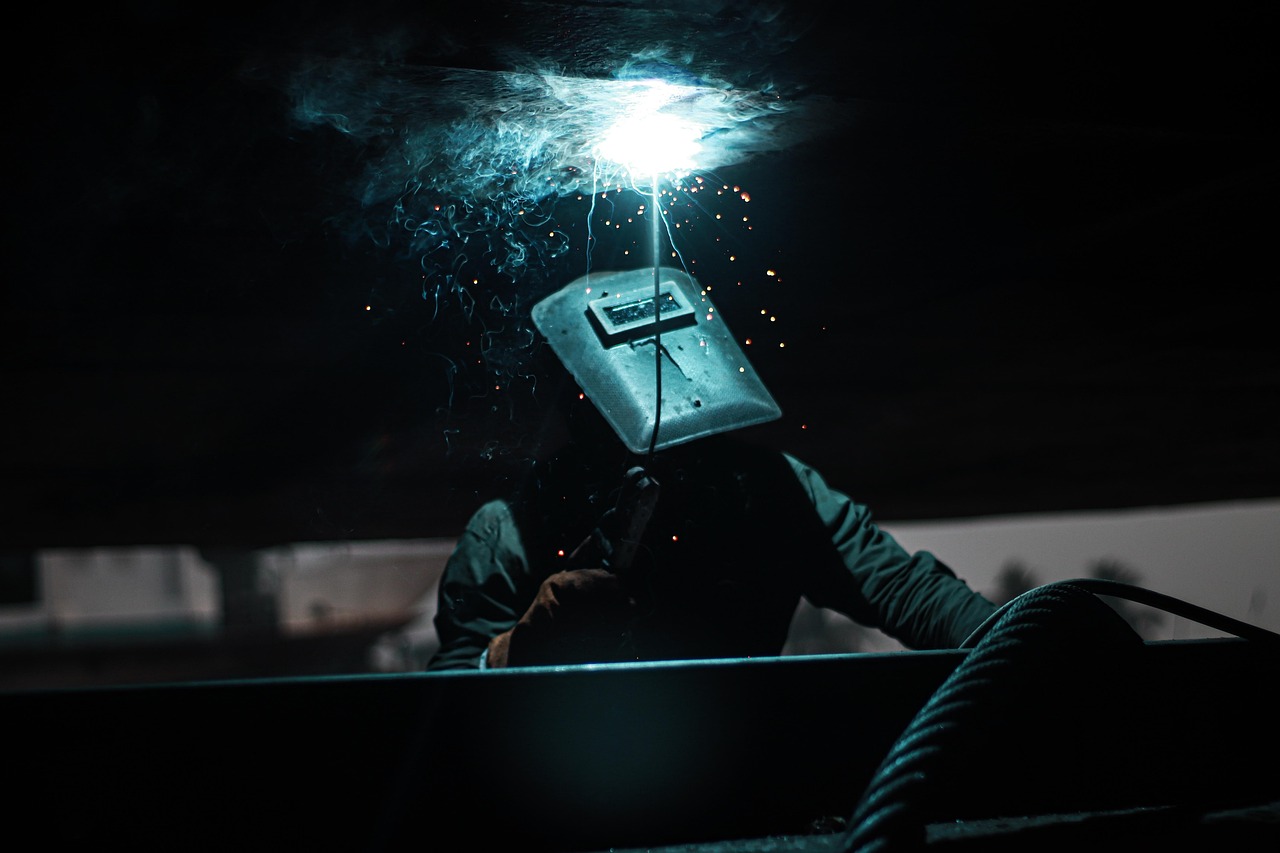
During torch application, the installer heats the underside of the roll and the lap area until the bitumen melts and bonds. A small and steady bead at the lap is usually a sign that the heat reached the right place. Too little heat can leave a weak seam. Too much heat can burn the sheet or create a fire problem. This is where an experienced crew is not an extra cost item; it is part of getting the roof right.
Where Does This Membrane Make the Most Sense?
Not every low slope roof should be torch-applied. The real check is whether the roof shape, deck, occupancy, fire risk, climate, and maintenance plan fit the system. Torch down modified bitumen makes the most sense when the owner wants a hard-wearing asphalt-based roof and the contractor can control open flame risks during installation.
Low Slope Roofs with Service Traffic
A granule-surfaced modified bitumen cap sheet can take normal service visits better than many thin exposed membranes. Think about a small restaurant roof where grease exhaust units are serviced twice a month, or an apartment roof with satellite mounts and regular drain checks. Walkway pads are still needed where traffic is heavy. Even so, the surface is more forgiving under boots, tool bags, and routine maintenance work.
Re-Roofing Over Known Asphalt Systems
Modified bitumen often fits re-roofing projects where the existing roof is asphalt-based and the deck is still sound. A consultant may call for a recover assembly, a full tear-off, or a partial tear-off after moisture scans and core cuts. That step should not be skipped. A dry roof may be a good candidate, but a wet roof assembly can lock moisture under a clean new cap sheet and cause problems later.
Hot or Sunny Sites with Proper Surfacing
APP torch sheets are often used in hot, sunny areas because they handle heat and UV exposure well when the surfacing is right. A dark smooth sheet, though, can get very hot. If heat gain is a concern, ask for a granule surface, a reflective cap sheet, or a compatible coating. ENERGY STAR roof product criteria have used low slope solar reflectance values of 0.65 initial and 0.50 after three years as public benchmarks. Source: ENERGY STAR Roof Products Program Requirements, Version 2.2.
How Does It Compare with TPO, EPDM, and Built-Up Roofing?
The usual trade discussion sounds simple at first: torch down versus TPO, EPDM, or BUR. On actual jobs, the right answer depends on how the roof will be used. A white TPO roof can work well as a cool roof. EPDM is common and flexible. BUR has many plies and a long track record. Modified bitumen brings its own mix of toughness, asphalt compatibility, and torch-related risk.
Tougher Surface Feel Than Many Single-Ply Sheets
Single-ply membranes can perform well, but many building owners notice that modified bitumen feels heavier and more solid underfoot. That does not mean it is always the better roof. A 60 mil or 80 mil TPO or PVC system with a good cover board can also be strong. Still, on smaller roofs with ladders, drain cleaning, and light service traffic, a granulated modified bitumen cap often feels practical and easy to live with.
More Seams Than BUR but Less Hot Asphalt
Built-up roofing uses several layers of felt and asphalt. It can last well, but hot asphalt brings odor, kettle work, and site concerns. Torch down modified bitumen usually uses fewer plies than BUR, often a base sheet and a cap sheet. That makes the assembly easier to manage while still giving some backup that a single sheet cannot provide. Lap quality becomes a major point, so seam inspection should be included before closeout.
Different Energy Story Than White Single-Ply
If the main target is a bright reflective roof, white TPO or PVC may be the easier route. Modified bitumen can also be reflective when it uses white granules, factory-applied surfacing, or compatible coatings, but not every product meets cool roof rules. Ask for tested solar reflectance and thermal emittance data, not a loose verbal promise. A roof can look light gray and still miss a local energy requirement.
What Safety Details Matter During Installation?
Torch-applied roofing uses open flame. That single point changes the jobsite risk. The roof deck, wall transitions, insulation, old dry wood, pipes, gaps, and even hidden bird nests can turn into fire hazards. A responsible contractor treats torching as hot work, not just another way to bond a roll to the roof.
CERTA-Trained Applicators and Hot Work Control
The National Roofing Contractors Association says torch-applied polymer-modified bitumen products have been used in North America since the late 1970s, but rooftop fires have occurred in some situations. NRCA recommends that torch-applied work be carried out by CERTA-trained workers and designed with fire safety techniques in mind. Source: NRCA Research+Tech, February 2019. See also: Coatings.
Noncombustible Base Layers Around Flame Paths
The flame should not be pointed at combustible decks, wood blocking, foam insulation, or wall cavities. A suitable base sheet, cover board, or manufacturer-approved separator helps keep heat away from materials that should not have direct torch contact. Around parapets and curbs, small gaps are easy to overlook. Those tight areas are often where fires start, not in the clear middle of the roof field.
Fire Watch, Extinguishers, and Hidden Voids
FM Global Data Sheet 1-33 recommends managing torch-applied roof installations through a hot work permit system, with attention to fire watch and monitoring. This matters because smoldering material can stay hidden below the deck or behind a flashing after the roll is already down. The basic jobsite habit is still important: stop, scan, check for heat where it is safe, and do not hurry the final walk.
How Should You Specify and Maintain It?
A modified bitumen roof can fail or perform before the first roll is torched. The specification should state the sheet type, reinforcement, surfacing, base layer, attachment method, slope, drainage, edge metal, and flashing details. A short quote that only says “torch down roof” does not give enough information for a fair comparison.
Start with Drainage, Deck, and Edge Design
Low slope does not mean no slope. The 2024 International Building Code Chapter 15 refers to the common 1/4 unit vertical in 12 units horizontal, or 2 percent, design slope requirement for many low slope roof coverings, with reroofing exceptions where positive drainage exists. The same chapter also addresses low slope edge metal on built-up, modified bitumen, and single-ply roofs through ANSI/SPRI ES-1 wind-resistance testing. Source: International Code Council, 2024 IBC Chapter 15.
Ask for ASTM and Code References
Your specification should name the membrane type and the standard it meets. For example, SBS sheets may reference ASTM D6162, D6163, or D6164 depending on reinforcement, while APP sheets may reference ASTM D6222 or related APP standards. This does not replace the manufacturer’s data sheet. It does, however, keep the discussion tied to a real product class instead of a vague roll of roofing.
Inspect Seams, Flashings, and Coatings
Maintenance is usually not complicated. Keep drains open, remove sharp debris, check lap edges, inspect flashing corners, and repair small cuts before they grow. If the roof has aluminum coating or a reflective coating, stay with a compatible coating system. There is no single reliable public service-life number that fits every torch down modified bitumen roof because climate, thickness, surfacing, drainage, and workmanship all change the result. Treat any exact lifespan claim as a sales estimate unless the warranty and maintenance terms support it.
FAQ
Q1: Is torch down modified bitumen good for residential flat roofs? A: Yes, it can be a good choice for small residential low slope roofs, garages, and additions, but only when the deck, fire risk, drainage, and local code fit the system. For occupied homes, many owners also compare self-adhered modified bitumen because it avoids open flame.
Q2: Is SBS or APP better for torch down roofing? A: APP is commonly linked with torch application and hot-climate performance, while SBS is valued for flexibility and fatigue resistance. The better choice depends on climate, manufacturer approvals, installation method, and the full roof assembly.
Q3: Can torch down modified bitumen be installed over insulation? A: It should not be torched directly to foam insulation unless the manufacturer specifically allows the assembly. Most projects need an approved base sheet, cover board, or separator layer to protect insulation from flame and heat.
Q4: How often should a modified bitumen roof be inspected? A: A practical schedule is twice a year, usually spring and fall, plus after major storms or service work on rooftop equipment. Focus on drains, seams, flashing, punctures, and coating wear.
Q5: Is torch down modified bitumen better than TPO? A: It depends on the roof. Modified bitumen may suit asphalt-compatible reroofs and service-traffic areas, while TPO may be better when a bright, heat-reflective single-ply membrane is the main goal. Compare tested assemblies, not just material names.


