
Are PVC Roofing Membranes the Best Choice for Low-Slope Commercial Roofs?
Why Do PVC Roofing Membranes Matter for Low-Slope Roofs?
PVC roofing membranes are common on low-slope commercial roofs because they provide a light, flexible waterproofing layer that can be heat welded. Compared with built-up roofing, the roof load is usually lower and the detailing is often easier to manage. If you are checking single-ply membranes for a warehouse, shopping center, plant, school, or restaurant, PVC should be reviewed before the discussion turns only to roll price.
The reason is not complicated. A low-slope roof does not drain water the same way a steep metal roof does, so the seams, drains, edges, and flashing points carry a lot of the risk. The roof also has to deal with sun, rain, foot traffic, rooftop units, and the usual tool or panel that gets dragged where it should not. A PVC system still needs the right thickness, deck condition, drainage, flashing work, and basic upkeep. When those items are handled properly, it can be a practical roof for many commercial buildings.
A Thermoplastic Single-Ply Sheet
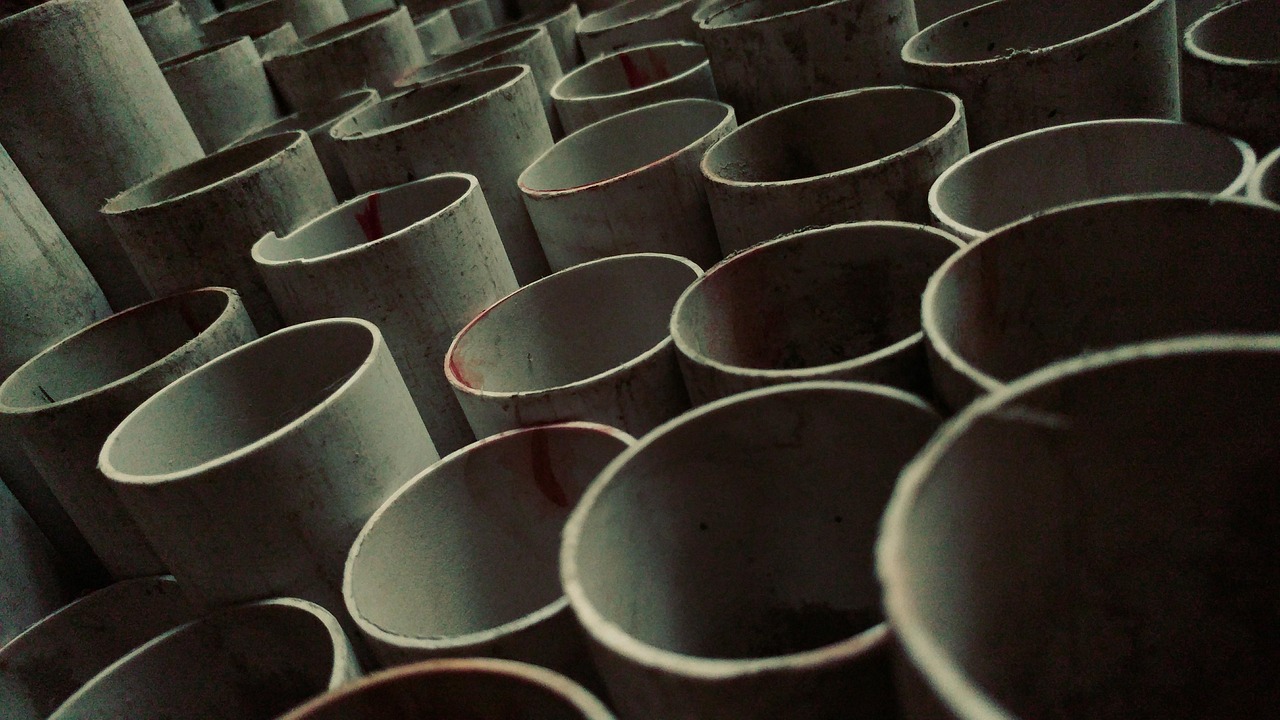
PVC stands for polyvinyl chloride. In roofing work, it usually means a flexible reinforced sheet made for exposed weather. ASTM D4434/D4434M-21, the U.S. product standard for PVC sheet roofing, describes the material as a flexible fiber or fabric reinforced sheet using PVC resin as the primary polymer. That standard matters because it gives buyers, consultants, and contractors a common way to check physical properties instead of relying on a brochure line.
Heat-Welded Seam Behavior
PVC is thermoplastic, so the seams are joined with hot air welding. When the welding is done right, the overlapped sheets fuse into one waterproof joint. This matters most on roofs with many penetrations, curbs, skylights, drains, and parapet corners. A small miss at a drain bowl or inside corner can become more expensive than choosing a better membrane at the start.
A Roof System, Not Just a Roll
The membrane is only one part of the roof. A working system also includes insulation, cover board, attachment method, fasteners, plates, adhesives, vapor control when needed, edge metal, walkway pads, and compatible flashing pieces. The National Roofing Contractors Association guidelines for single-ply membrane roof systems push buyers to look at the whole assembly. That is especially important at terminations, penetrations, and drainage points, where most leak calls begin.
When Are PVC Roofing Membranes a Smart Choice?
PVC is not the right answer for every roof. It makes the most sense when the building has low-slope geometry, many details, or rooftop contamination that can be hard on other materials. The final choice still depends on climate, use, local code, warranty target, and the crew doing the work. A low bid can look clean on paper, but after three hot summers the roof usually gives a more honest report.
Commercial Kitchens and Grease Exhaust
Restaurants, food plants, and buildings with kitchen exhaust often leave a grease film around rooftop fans. That residue can soften or damage some roofing materials over time. PVC is often selected in these jobs because many formulations resist animal fats, vegetable oils, and certain chemical exposures better than many common single-ply alternatives. You should still ask for the manufacturer’s chemical resistance sheet, because no PVC membrane can handle every solvent or industrial discharge.
Sunny Buildings That Need Reflectance
White PVC membranes are often used as cool roof surfaces. The U.S. Department of Energy states that cool roofs can stay up to 60°F cooler than traditional dark roofs during summer conditions. ENERGY STAR also cites Lawrence Berkeley National Laboratory’s example that a clean white roof reflecting about 80% of sunlight can stay about 50°F cooler than a gray roof reflecting about 20% of sunlight on a typical summer afternoon. This does not mean every building will get the same energy savings. It does show that roof surface temperature can change a lot when the reflectance is real and the roof stays reasonably clean.
Roofs With Many Details
If your roof has many pipe penetrations, HVAC curbs, inside corners, and scuppers, the membrane has to shape and weld well. PVC accessories and prefabricated flashings can make detail work cleaner when the crew follows the manufacturer’s temperature and speed settings. The small points should not be treated as minor work. A corner patch beside a curb may not look important from the ground, but it can be the part that keeps water out during a long storm.
How Should You Compare PVC vs TPO vs EPDM?
Most buyers compare PVC with TPO and EPDM because all three are common in single-ply commercial roofing. The useful question is not which one is “best” by itself. The better question is which one fits the roof exposure, budget, repair plan, and installer’s actual experience. A restaurant roof in Texas and a storage building in a mild northern area do not live the same life.
PVC for Chemical and Grease Resistance
PVC is often chosen where oils, greases, or certain industrial residues may land on the roof. That does not make it indestructible. Strong solvents, unusual chemicals, and poor cleaning habits can still create problems. If rooftop exhaust is part of daily building use, PVC usually moves higher on the list. In these cases, the cheapest alternate may cost more later through repairs, downtime, and interior leak damage.
TPO for Broad Budget Appeal
TPO is popular in many commercial projects because it offers heat-welded seams and reflective surfaces at a competitive price. For clean roofs with normal exposure, it can be a sensible option. When you compare TPO with PVC, do not stop at membrane cost. Ask about thickness, reinforcement, aged reflectance data, warranty terms, and the contractor’s record with that exact product line.
EPDM for Flexible Rubber Performance
EPDM has been used for many years and can perform well in the right climate and roof layout. Its black surface may not fit cool roof goals unless a coating or another design choice is added. EPDM seams use different joining methods than PVC heat welding, so the installation approach is not the same. If an owner wants a dark membrane in a colder climate, EPDM may still deserve a place in the comparison.
Which Performance Data Should You Check Before Buying?
A serious roof decision should not be based on loose phrases like “premium grade” or “commercial quality.” Ask for data you can read and compare. A useful submittal package should show product standard compliance, reflectance ratings, fire classifications, wind uplift assemblies, and installation limits. If a supplier cannot provide the basic documents, treat that as a warning sign.
ASTM D4434 Material Compliance
For PVC sheet roofing, ASTM D4434 is the key standard used in many U.S. specifications. It covers requirements tied to sheet type and physical performance. Public NRCA technical summaries have shown example minimum values from the standard, including overall thickness and strength requirements for different PVC sheet types. For a buyer, the next step is simple: request the exact membrane type, nominal thickness, reinforcement details, and test compliance documents before approval.
CRRC Reflectance and Emittance Ratings
The Cool Roof Rating Council rates roofing products for solar reflectance and thermal emittance. Its program reports initial values and aged values after three years of outdoor exposure at test farms in Arizona, Ohio, and Florida. That aging method helps because a new bright membrane is not the same as a roof after dust, UV, rain, and outdoor service. For hot regions, ask for the aged value as well as the initial number.
Fire, Wind, and Code Approvals
A membrane can be good material and still be wrong for a specific roof assembly. Fire ratings, wind uplift approvals, deck type, insulation thickness, and fastening patterns have to match. FM, UL, local code rules, and insurance requirements may affect the final roof build-up. Before installation, confirm that the selected assembly matches the tested assembly, not just the membrane brand name.
What Installation Choices Affect Real Roof Life?
Installation is where many roof promises either hold up or fall apart. A good PVC membrane can fail early if the substrate is rough, drains are ignored, welds are cold, or details are rushed before bad weather. Many of the larger risks can be seen before the job is finished. The buyer or project manager just needs to know what to ask and what to inspect.
Substrate Preparation and Drainage
Low spots, wet insulation, loose old material, and sharp debris should be fixed before the membrane goes down. Drainage needs the same attention. Standing water holds dirt, supports biological film, hides punctures, and adds stress around seams. Many low-slope roofs are called “flat,” but they still need to move water toward drains, gutters, or scuppers. If drainage is poor on day one, the membrane has to work harder for the rest of its service life. See also: Coatings.
Welding Temperature and Seam Checks
Hot air welders need the right speed, pressure, temperature, and nozzle setup. Site conditions also change the work. A cold morning, a windy parapet corner, or dust on the sheet can affect seam quality. Probe testing, trial welds, and recorded quality checks are not just paperwork. They help catch weak seams before the roof is loaded with equipment and service traffic.
Attachment Method and Roof Movement
PVC systems may be mechanically attached, adhered, or ballasted depending on the project. Each method has its own limits and jobsite concerns. Mechanically attached systems need the correct fastener pattern. Adhered systems need compatible adhesives and clean surfaces. Roof movement from temperature changes, deck deflection, and wind pressure must be reviewed, especially on large open roofs where small movement can turn into real tension at the edges.
How Can You Maintain PVC Roofing Membranes After Installation?
A PVC roof is not a product you install and then ignore. It needs simple, regular care, and that care does not have to be complicated. Two roof walks a year, drain cleaning, and quick repairs after equipment service can prevent many avoidable leaks. In daily building life, roofs are often damaged by people who are not roofers, including HVAC technicians, sign installers, solar crews, and anyone dragging metal parts across the surface.
Routine Inspections After Harsh Weather
Check the roof after major storms, hail, high winds, or rooftop equipment work. Look for punctures, open laps, loose edge metal, clogged drains, displaced walkway pads, and cuts near service paths. Keep dated photos when you find damage or complete repairs. A plain roof log can help later if warranty questions come up.
Cleaning for Reflective Value
White membranes can lose some reflective value when dirt, soot, pollen, and grease build up. Cleaning should follow the manufacturer’s instructions. In many cases that means approved cleaners, soft brushing, and controlled rinsing. The goal is not to make the roof look new every month. The goal is to keep drains open and protect the surface qualities you paid for.
Repair Compatibility and Patch Quality
Use compatible PVC repair materials and crews that know the system. Mixing materials without checking compatibility can create a new problem next to the old one. Heat-welded patches should be cleaned, prepared, welded, probed, and documented. A rough patch beside an HVAC curb may stop a leak for a few days. It can also reopen during the next hard rain if the weld or prep work was poor.
Are PVC Roofing Membranes a Sustainable Choice?
Sustainability needs a straight answer, not a sales speech. PVC roofing can support energy goals through high reflectance, long service life, and possible recycling routes. At the same time, PVC is a plastic material with chemical and end-of-life concerns that should be discussed honestly. If a seller gives only perfect answers, ask for proof.
Cool Roof Heat Reduction Potential
For buildings in hot, sunny climates, a reflective PVC roof can reduce roof surface temperature and may reduce cooling load. DOE and ENERGY STAR data support the basic physics of cool roofs. Actual savings still depend on insulation level, roof area, HVAC efficiency, climate, utility cost, and building schedule. A cold storage warehouse, a restaurant, and a lightly used warehouse will not show the same result.
Longer Service Life Reduces Tear-Off Waste
A durable roof can reduce how often the building needs tear-off and replacement. That may reduce waste over the life of the property. It is not a fixed number that can be copied from one project to another. Service life depends on product quality, installation, exposure, maintenance, and foot traffic. If there is no reliable public data for a specific brand and climate, ask the manufacturer for project references and warranty history instead of accepting a broad life-span claim.
Recycling Claims Need Careful Proof
The Vinyl Sustainability Council’s 2024 annual progress reporting described a three-year, $3 million VIABILITY recycling grant program. It also stated that the first five completed projects created about 30 million pounds of added annual post-consumer PVC recycling capacity. That is useful background for vinyl recycling, but it does not prove every PVC roof in your market will be recycled. Before you claim end-of-life benefits, ask who takes the membrane, what condition they accept, and what the transport cost looks like. Local logistics often decide whether a recycling plan is real or only a line in a proposal.
FAQ
Q1: How Long Do PVC Roofing Membranes Last? A: Many commercial PVC roofs are designed for long service, often with 15, 20, or longer warranty options depending on the system. Actual life depends on membrane thickness, installation quality, exposure, drainage, and maintenance.
Q2: Are PVC Roofing Membranes Good for Restaurants? A: Yes, they are often a strong choice for restaurants because many PVC formulations resist grease and oils from rooftop exhaust better than many common single-ply options. Always check the manufacturer’s chemical resistance data.
Q3: Can PVC Roofing Membranes Help Lower Roof Temperature? A: Light-colored PVC membranes can work as cool roof surfaces. DOE and ENERGY STAR public guidance shows that reflective roofs can stay much cooler than dark roofs in summer, though energy savings vary by building.
Q4: Is PVC Better Than TPO? A: PVC may be better for grease, chemical exposure, and certain detailed roofs. TPO may fit clean, budget-driven projects. The better choice depends on exposure, tested assembly data, installer skill, and long-term maintenance plans.
Q5: What Should You Ask Before Ordering a PVC Roof? A: Ask for ASTM D4434 compliance, membrane thickness, reinforcement type, CRRC aged reflectance data, fire and wind approvals, warranty terms, installation method, and compatible repair procedures.


