Sealing basement floor concrete before finishing a basement
Sealing basement floor concrete can be useful when the slab is sound, dry enough for the selected product, and not exposed to bulk water. A suitable sealer or coating can reduce concrete dust, improve cleanability, slow surface absorption, and prepare the slab for coatings or some finished flooring systems. It should not be treated as a cure for active leaks, hydrostatic pressure, poor exterior drainage, or moisture rising through a slab without effective vapor control. The first step is diagnosis: determine whether the moisture is coming from spills, condensation, wall leakage, cracks, or vapor movement from the ground. From there, choose a sealer or coating that matches the moisture risk, the flooring plan, and the manufacturer’s published limits. For related building-envelope topics, visit the Realloong Applications section.
What basement floor sealing actually does
A basement floor sealer is not a single product category. The term may refer to a penetrating water repellent, a concrete densifier, a topical acrylic sealer, a polyurethane or epoxy floor coating, or a moisture-mitigation membrane installed below resilient flooring. Each material changes the slab in a different way, so the intended use matters.
Most sealers reduce surface porosity to some degree. Bare concrete has capillaries and pores that can absorb liquid water, release dust, and hold dirt. A compatible treatment can make the slab easier to clean and less likely to powder under foot traffic. Film-forming coatings can also improve appearance and provide a more durable wearing surface.
Moisture control is more complex. Concrete can transmit water vapor even when the surface looks dry. The U.S. Environmental Protection Agency’s moisture guidance emphasizes controlling moisture sources rather than relying only on surface treatments after a problem appears. The Department of Energy’s Building America guidance also treats slab moisture control as a system that includes drainage, capillary breaks, vapor retarders, air sealing, and interior humidity control. In practice, a coating may be one part of that system, but it is rarely the whole system.
When a sealer is the wrong first step
The most common error is coating a damp slab before identifying why it is damp. A glossy coating can look successful at first, then blister, whiten, lose adhesion, create odor, or contribute to mold-prone conditions beneath flooring if moisture is trapped below the surface.
Bulk water and hydrostatic pressure
If water puddles on the slab, flows through cracks, seeps at the wall-floor joint, or appears after heavy rain, the floor surface should not be the first repair. Bulk water usually points to a drainage or waterproofing issue. Typical contributors include clogged gutters, short downspouts, reverse grading, failed window wells, cracked foundation walls, inadequate sump performance, or exterior drainage defects.
Hydrostatic pressure deserves particular attention. When groundwater pressure pushes against the slab or foundation, a thin interior coating is not designed to hold back that force. The more reliable sequence is to reduce the water load, repair the concrete as needed, and then consider a coating after slab conditions are stable.
Condensation on a cool slab
In some basements, the slab is not leaking. Warm, humid air can condense on cool concrete, especially in summer or in partly conditioned spaces. A sealer will not remove that moisture source. Dehumidification, air sealing, insulation strategy, and ventilation control may be more important than coating thickness.
Missing or damaged sub-slab vapor control
Modern residential practice commonly uses a vapor retarder and capillary break below slabs in contact with the ground. Recent International Residential Code provisions include a polyethylene vapor retarder over a porous layer for basement floor construction, although local code editions and amendments determine the actual requirement. Many older basements were built before current moisture-control expectations or with incomplete under-slab protection. A surface-applied product can reduce moisture movement into the room, but it does not recreate a continuous vapor retarder below the slab.
How to evaluate a basement slab before sealing
Evaluation should combine site observation, moisture testing, and the intended use of the space. A basement used for storage has different performance requirements than a finished family room with resilient flooring, carpet tile, or an epoxy coating.
| Check | What it may indicate | Why it matters before sealing |
|---|---|---|
| White powder or crystals | Efflorescence from moisture carrying salts to the surface | Coatings may lose bond unless moisture and salts are addressed |
| Dark patches after rain | Groundwater, wall seepage, or slab moisture variation | The floor may need drainage correction before coating |
| Peeling old paint | Poor surface preparation, vapor pressure, or incompatible coating | New coatings usually require removal of unsound layers |
| Musty odor or visible mold | Moisture source and nearby organic material | Moisture control and cleanup should come before cosmetic work |
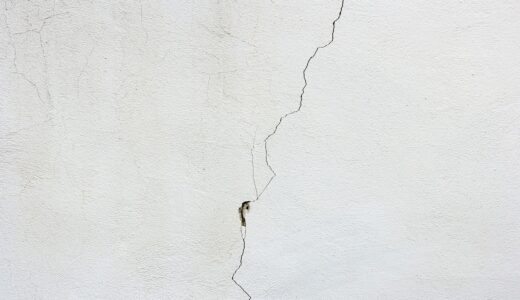
| Cracks or moving joints | Shrinkage, settlement, or slab movement | Repair methods must reflect whether the crack is static or active |
| High slab moisture readings | Vapor movement or retained construction moisture | Flooring and coating manufacturers set moisture limits |
A plastic sheet taped to the slab can provide a rough moisture screen, but it is not a substitute for professional testing when finish flooring or a high-build coating is planned. Flooring standards commonly reference ASTM F2170 for in-situ relative humidity testing and ASTM F1869 for calcium chloride moisture vapor emission testing. ASTM F2170 also notes that moisture readings represent conditions at the test locations and at the time of testing. That limitation is important in basements because seasonal groundwater and indoor humidity can change the result.
For resilient flooring projects, ASTM F3010 covers two-component resin-based membrane-forming moisture mitigation systems used on high-moisture concrete substrates before resilient flooring. This does not mean every basement needs an epoxy moisture mitigation system. It means that when moisture exceeds the flooring or adhesive limit, the solution should be selected and installed as a tested system, not improvised with a generic paint.
Choosing the right sealer or coating by project goal
The best choice depends on what the floor must do after sealing. A storage basement may only need dust reduction and easier cleaning. A finished room may need verified moisture compatibility under a flooring manufacturer’s warranty. A laundry or mechanical room may need resistance to occasional spills and abrasion.
| Material type | Typical use | Important limitation |
|---|---|---|
| Concrete densifier | Hardening and dustproofing bare concrete | Not a waterproof membrane and not a decorative coating by itself |
| Penetrating silane or siloxane | Reducing liquid water absorption while remaining relatively vapor permeable | Often better for water repellency than for stopping vapor drive |
| Acrylic concrete sealer | Light-duty film, improved appearance, easier cleaning | Can wear faster and may be sensitive to moisture below the film |
| Epoxy floor coating | Durable film for cleanability, abrasion resistance, and decorative finish | Requires surface profiling and moisture compatibility |
| Polyurethane or polyaspartic topcoat | Wear layer over suitable base systems | Usually part of a coating system rather than a moisture fix alone |
| Moisture mitigation epoxy | Reducing vapor transmission before compatible finish flooring | Must meet project moisture requirements and be installed to the system specification |
| Cementitious waterproofing | Mineral coating for certain damp concrete conditions | Performance depends heavily on substrate condition and water pressure |
Product names matter less than technical fit. Review the manufacturer’s data sheet for allowed substrates, required concrete surface profile, moisture limits, pH limits, crack treatment, temperature range, recoat window, and cure time. If these requirements are missing or vague, the product may not be suitable for a basement floor that will be covered with expensive finishes. See also: Membranes.
Preparation details that determine performance
Many basement floor sealing failures are preparation failures. The concrete must be clean, sound, and open enough for the selected material to bond or penetrate. Sweeping alone is rarely enough for coatings.
- Remove weak material. Loose paint, laitance, dusting concrete, adhesive residue, curing compounds, oil, wax, and efflorescence can interfere with bond.
- Use mechanical preparation when required. Many epoxy and resin systems require grinding or shot blasting to create the proper surface profile. Acid washing is not a universal substitute and can leave salts or moisture if it is poorly neutralized and rinsed.
- Repair cracks appropriately. Static shrinkage cracks may accept rigid repair materials. Moving cracks, control joints, and isolation joints often need flexible treatment or must remain honored through the coating.
- Address the wall-floor joint. Leakage at this joint usually indicates a drainage or pressure issue. Smearing coating over it may hide the symptom without relieving the water source.
- Control indoor conditions. Temperature, slab temperature, relative humidity, dew point, and ventilation affect curing and condensation risk.
- Follow cure and recoat windows. Applying the next layer too early or too late can weaken intercoat adhesion.
Basement slabs also need attention around floor drains, sump pits, mechanical equipment, plumbing penetrations, and radon-related openings. In areas with radon potential, floor cracks and penetrations should be considered possible soil-gas pathways. Sealing gaps may be part of a radon-reduction strategy, but it should not be presented as a complete substitute for testing and mitigation where radon levels require action.
A practical sequence for sealing basement floor concrete
A reliable basement floor project follows a sequence rather than a single coating decision. The following order reduces the risk of trapping water or covering a defect that should remain visible.
- Define the finish goal. Decide whether the slab will remain exposed, receive a decorative coating, or support tile, resilient flooring, carpet, or another finish.
- Inspect during wet and dry periods. A basement that looks dry in winter may show condensation or seepage in humid weather or after storms.
- Correct exterior water management. Maintain gutters, extend downspouts, improve grading where practical, and check window wells and sump discharge.
- Test moisture when the finish is sensitive. Use recognized test methods and compare results with the coating or flooring manufacturer’s published limits.
- Select the system. Match the product to the moisture level, desired appearance, traffic, cleaning exposure, and flooring plan.
- Prepare the slab. Clean, mechanically profile if needed, vacuum thoroughly, and repair cracks and defects according to the system instructions.
- Apply under suitable conditions. Watch slab temperature, dew point, ventilation, mix ratio, pot life, film thickness, and recoat timing.
- Protect the cure. Keep the surface free from dust, water, heavy traffic, and premature flooring installation until the system reaches the required cure.
- Monitor performance. After storms and seasonal humidity changes, look for whitening, blistering, odor, damp edges, or renewed efflorescence.
This sequence may seem slower than simply rolling on a sealer, but it is faster than removing a failed coating or replacing moisture-damaged flooring. The key point is straightforward: sealing is a finishing and moisture-management measure, not a shortcut around building-water control.
Common mistakes to avoid
Several mistakes appear repeatedly in basement projects. One is confusing waterproofing with water resistance. A coating that resists spilled water on top of the slab may still fail when vapor or pressure comes from below. Another is installing impermeable flooring over an untested slab. Vinyl plank, sheet goods, rubber flooring, and some underlayments can reduce drying to the room side, making accurate moisture assessment more important.
A third mistake is covering efflorescence without investigating the source. Efflorescence is a symptom of moisture movement through concrete or masonry. Cleaning the surface improves appearance, but salts may return if the moisture path remains active. Finally, do not expect a sealer to solve indoor humidity by itself. A basement may still need dehumidification, air sealing, or HVAC adjustments after the floor is coated.
Frequently asked questions
Does sealing basement floor concrete stop moisture?
It can reduce moisture effects in specific situations, but it does not stop every moisture source. Sealers and coatings may limit surface absorption, reduce dusting, or lower vapor transmission when designed for that purpose. They do not reliably stop active seepage, hydrostatic pressure, or drainage defects.
Can I seal a basement floor before vinyl plank or carpet?
Yes, but only if the sealer or moisture mitigation system is compatible with the flooring and adhesive requirements. The slab should be tested using the method required by the flooring manufacturer. An incompatible coating can create bond problems or void a flooring warranty.
Should cracks be sealed before coating the basement floor?
Cracks should be evaluated before coating. Stable cracks can often be repaired as part of surface preparation. Moving cracks and control joints may need flexible treatment or joint detailing. If a crack leaks during rain, solve the water source before applying a decorative coating.
How long does a sealed basement floor last?
Service life depends on moisture conditions, surface preparation, product type, traffic, cleaning chemicals, and whether the slab was compatible with the coating. A well-prepared floor in a dry basement can perform for years, while a coating over an actively damp slab may fail quickly.
Is epoxy always the right choice for a basement floor?
No. Epoxy can be durable, but it is not automatically correct for every basement. Some slabs need vapor-permeable treatments, some need moisture mitigation systems, and some need drainage repairs before any coating is appropriate. The right choice follows the moisture diagnosis.