
RTV silicone gasket maker explained for flanges, joints and maintenance sealing
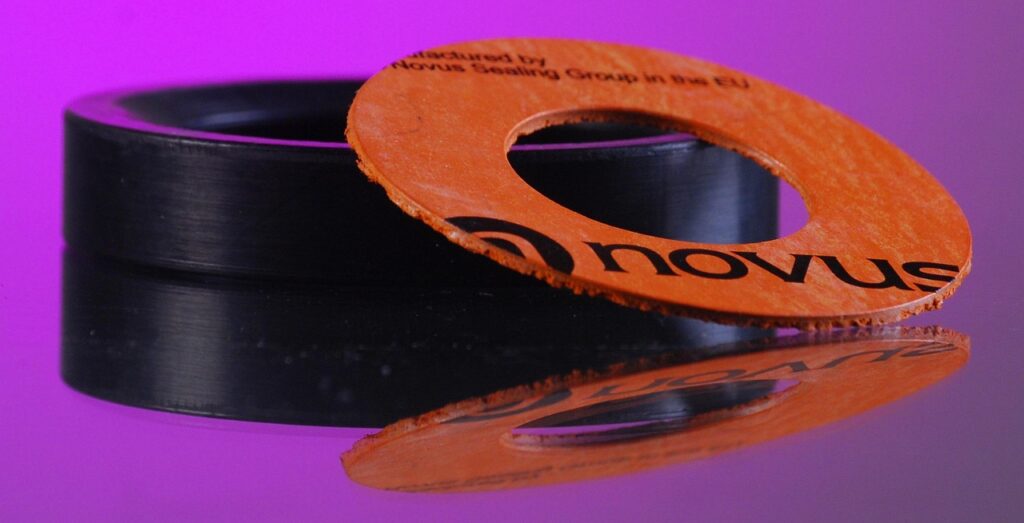
What an RTV silicone gasket maker actually does
An rtv silicone gasket maker is a room-temperature-curing silicone sealant used to form a flexible gasket directly on a flange, housing, cover or joint surface. Instead of using a pre-cut gasket, the uncured paste fills small surface irregularities and cures into an elastomeric rubber seal. This makes it useful in maintenance work, mechanical assemblies, HVAC/R components, pumps, access panels, electrical enclosures and other locations where vibration, moderate movement or temperature change can defeat a rigid seal.
The important point is selection. RTV gasket maker is not the same as every silicone caulk sold for construction joints, and it is not automatically suitable for every building envelope detail. For facade joints, glazing, expansion joints and exterior perimeter sealing, products should be checked against construction sealant requirements such as ASTM C920 or ISO 11600, as well as the manufacturer’s current technical data sheet. For broader construction sealant topics, see the Realloong sealants section.

How RTV silicone cures and why that affects performance
RTV means room temperature vulcanizing. In practical terms, many one-part RTV silicones cure when moisture in the air reacts with the sealant. Manufacturer data sheets from Dow, Henkel and Permatex commonly describe these products as one-component or form-in-place materials that cure at room temperature after exposure to atmospheric moisture.
This curing method has two important consequences. First, the exposed surface may skin over or become tack-free long before the full bead has cured. Second, cure speed depends on bead thickness, humidity, temperature and access to air. A thin gasket bead between two flanges usually cures more predictably than a thick mass trapped in a deep, airtight cavity.
For maintenance work, installers should not treat “skin time,” “tack-free time” and “full cure” as the same stage. A product may tolerate light handling relatively soon but still need much longer before it is ready for fluid exposure, pressure, torque cycling or high-temperature operation. The required waiting time should come from the product label or technical data sheet, not from the color of the tube.
Where RTV gasket maker fits in construction and facility maintenance
Although RTV gasket maker is strongly associated with automotive and industrial repair, it is also used in building maintenance and related construction service work. Common examples include sealing covers on mechanical equipment, forming gaskets on HVAC/R housings, improving weather resistance around non-structural equipment enclosures, sealing inspection covers and supporting vibration-resistant sealing in plant rooms or service areas.
The fit is strongest when the joint is relatively narrow, the surfaces are mechanically fastened, and the gasket’s role is to resist leaks, air movement, dust, vibration or moderate exposure to oils, water-glycol mixtures or heat. Henkel’s technical information for LOCTITE SI 5699, for example, describes a flexible form-in-place RTV silicone intended for flange sealing on rigid flanges such as transmissions and cast metal housings. Permatex technical literature similarly positions its RTV gasket makers around formed-in-place gaskets for demanding sealing conditions.
The fit is weaker when the joint is a true building movement joint. Exterior wall joints, window perimeter joints, concrete panel joints and glazing joints need movement capability, weathering performance and substrate adhesion appropriate to building standards. ASTM C920 covers cold-applied elastomeric joint sealants for building sealing, caulking and glazing applications, while ISO 11600 classifies building construction sealants by application and performance. Those standards are more relevant to facade sealant selection than the phrase “gasket maker” on a tube.
Cure chemistry matters more than color
Many buyers identify RTV gasket maker by color: black, grey, red, blue, clear or white. Color can be a product-family clue, but it should not be used as a specification. Two red RTVs from different manufacturers may have different cure chemistries, temperature ratings, fluid resistance and application limits.
| RTV type | Typical reason to choose it | Important caution |
|---|---|---|
| Acetoxy cure | General sealing where fast skin formation and cost efficiency matter | Releases acetic acid during cure, so compatibility with metals, electronics and sensitive substrates must be checked |
| Neutral cure | Applications involving metals, electronics, coated surfaces or corrosion-sensitive assemblies | Still requires confirmation of oil, coolant, temperature and substrate compatibility |
| High-temperature RTV | Equipment covers, ducts, housings or assemblies exposed to elevated heat | Temperature rating does not automatically mean fuel resistance, pressure resistance or building-joint suitability |
| Sensor-safe or low-odor RTV | Mechanical and electrical maintenance where corrosive by-products are a concern | “Sensor-safe” is not a substitute for reading the technical data sheet and service-fluid limits |
Acetoxy silicones are often recognizable by a vinegar-like smell during cure. Neutral-cure systems are commonly selected when corrosion risk or substrate sensitivity is a concern. In construction maintenance, neutral cure is often the safer starting point around metals, coated components and enclosure work, but the final choice still depends on the product data sheet and the actual exposure conditions.
How to specify or select an RTV silicone gasket maker
A useful specification starts with the joint, not the product name. The following criteria usually matter more than keyword claims on packaging.
- Service temperature: Check both continuous and intermittent temperature limits. High-temperature grades are not all rated for the same exposure.
- Fluid exposure: Confirm resistance to oils, coolants, water-glycol mixtures, cleaning agents or condensate. RTV silicone is generally not chosen for continuous gasoline or solvent immersion unless the manufacturer specifically allows it.
- Substrate compatibility: Identify aluminum, steel, cast metal, glass, concrete, masonry, plastics, coatings or gaskets already present in the assembly.
- Joint movement: A gasket bead between bolted flanges behaves differently from an exterior expansion joint. Do not use a gasket maker where a tested building joint sealant is required.
- Cure depth and geometry: Thick beads and enclosed cavities slow moisture-cure silicone. Deep sections may remain uncured longer than expected.
- Fastener and torque requirements: Some flange designs require staged tightening or a short waiting period before final torque. Follow the equipment or sealant manufacturer’s instruction.
- Approvals and standards: For building applications, check whether the product is tested to relevant sealant standards such as ASTM C920 or ISO 11600. For industrial equipment, use the equipment manufacturer’s recommendation where available.
This approach also prevents a common purchasing mistake: choosing a product only because it is labeled “industrial,” “high temperature” or “universal.” Those words may be useful marketing descriptors, but they do not replace service-condition data.
Application practices that improve gasket reliability
Most RTV gasket failures are linked to surface preparation, bead control or cure time rather than the basic chemistry. The following method reflects common instructions found across technical data sheets, but the exact sequence should be adjusted to the product and equipment manufacturer’s guidance. See also: Membranes.
- Remove old material completely. Scrape away old gasket residue without gouging the sealing surface. Avoid leaving loose cured silicone that could break free later.
- Clean and dry the surfaces. Oil, dust, moisture films, release agents and corrosion products can reduce adhesion. Use a compatible cleaner and allow the surface to dry.
- Apply a continuous bead. A thin, even bead is usually better than a heavy bead. Encircle bolt holes where the design requires it so leaks do not track along fasteners.
- Assemble within the working time. Once the sealant skins over, wet-out and adhesion can suffer. Bring the parts together before the published working time is exceeded.
- Avoid over-compression. Excessive sealant can squeeze into the interior of equipment, where cured fragments may contaminate drains, strainers or moving parts.
- Allow adequate cure. Do not expose the assembly to pressure, fluid, heat or service loads before the sealant has cured as specified.
Ventilation and personal protection should also be considered. Safety data sheets describe handling hazards, by-products released during cure and cleanup requirements. In enclosed mechanical rooms or confined maintenance areas, cure by-products and cleaning solvents deserve attention even when the finished silicone is relatively stable.
RTV gasket maker versus construction silicone sealant
RTV gasket maker and construction silicone sealant overlap in chemistry, but they are optimized for different jobs. A gasket maker is usually selected for a compressed, formed-in-place seal between mating parts. A construction silicone sealant is usually selected for an exposed joint that must bond to building substrates and accommodate movement, weathering and UV exposure over time.
For example, a neutral-cure silicone building sealant may list compliance with ASTM C920 and state a movement capability such as Class 35 or Class 50. That information matters for wall panels, window perimeters and facade joints. A gasket maker, by contrast, may emphasize oil resistance, flange sealing, tack-free time, torque procedure or high-temperature performance. Both can be silicone, and both may cure at room temperature, but their performance claims are not interchangeable.
There are also cases where neither product is ideal. Closely machined metal flanges may call for anaerobic gasket materials. Large moving facade joints may require a low-modulus construction sealant. Fire-rated penetrations require tested firestop systems rather than ordinary RTV. Structural glazing requires products and procedures specifically qualified for that use. The safest specification starts with the assembly requirement rather than the broad word “silicone.”
Common mistakes to avoid
- Using too much sealant: A larger bead does not always improve sealing. It can prevent proper assembly or leave uncured material inside the joint.
- Ignoring cure time: Moisture-cure RTV needs time. Early fluid exposure or heat can compromise the gasket before it develops full properties.
- Assuming all silicone is fuel-resistant: Many RTV silicones are not intended for continuous fuel or solvent immersion.
- Using gasket maker as exterior caulk: A product designed for flange sealing may not have the movement class, weathering data or substrate adhesion needed for building joints.
- Choosing by color alone: Color is not a standard. Always check cure chemistry, service temperature and media resistance.
- Skipping compatibility checks: Acetoxy cure systems, plastics, coated metals and electronic components require particular care.
In practice, RTV silicone gasket maker is best treated as a specialized form-in-place elastomer. It is highly practical when a flexible gasket is needed between parts, but it becomes risky when used as a catch-all replacement for engineered gaskets, tested construction sealants or system-approved joint materials.
Frequently asked questions
Is RTV silicone gasket maker waterproof?
After full cure, many RTV silicone gasket makers provide water-resistant or watertight sealing in appropriate joints. However, waterproof performance depends on adhesion, bead geometry, cure, pressure and product chemistry. A gasket maker should not be assumed suitable for submerged service unless the manufacturer’s data sheet supports that use.
How long does RTV silicone gasket maker take to cure?
Cure time varies by product, bead thickness, humidity and temperature. Some products skin or become tack-free quickly, but full cure can take much longer. The label or technical data sheet should be treated as the controlling source, especially before exposure to fluids, pressure or heat.
Can RTV gasket maker replace a pre-cut gasket?
Sometimes, but not always. RTV works well in many form-in-place gasket applications, especially where the design expects a sealant bead. It may be unsuitable where gasket thickness controls spacing, compression, alignment or bearing load. Equipment manufacturer guidance should take priority.
Is neutral-cure RTV better than acetoxy RTV?
Neutral cure is often preferred around corrosion-sensitive metals, electronics and coated surfaces because it avoids acetic acid release during cure. Acetoxy RTV can still be effective in compatible general sealing applications. The better choice depends on substrates, exposure, cure conditions and service requirements.
Can RTV silicone gasket maker be used for building facade joints?
Only if the specific product is designed and tested for that purpose. Most facade, glazing and movement joints should use construction sealants with relevant performance data, such as ASTM C920 or ISO 11600 classifications. A gasket maker label alone is not enough for building envelope specification.


