
How to choose urethane caulking for exterior construction joints
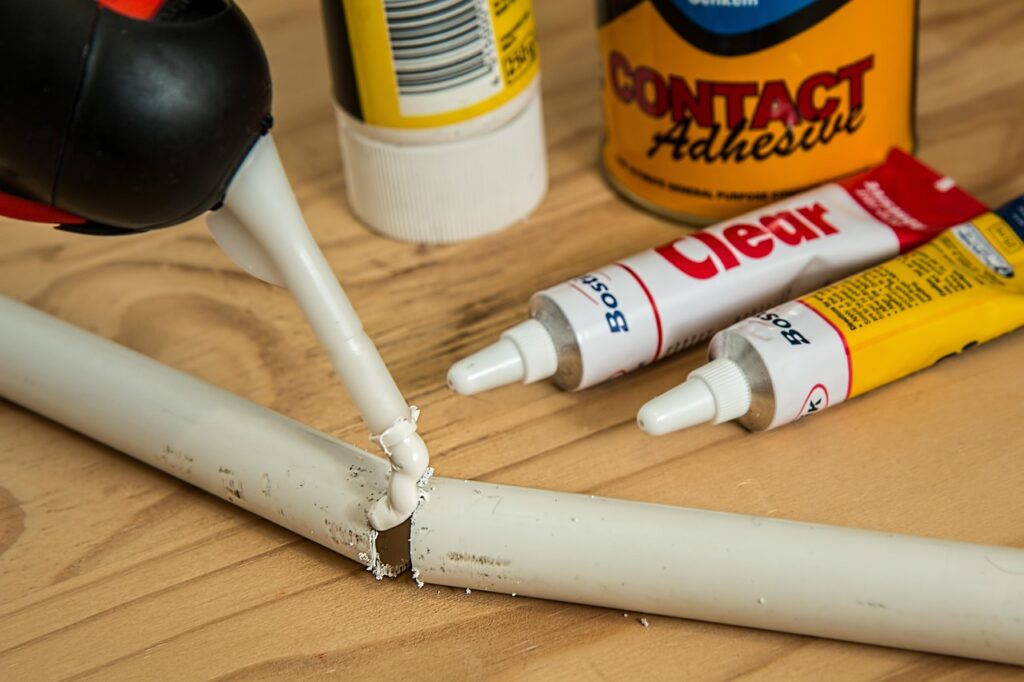
What urethane caulking is and when it makes sense
Urethane caulking is the field term many buyers and contractors use for polyurethane sealant. In construction, it is typically specified for exterior joints that need a flexible, durable seal between materials such as concrete, masonry, metal, wood or exterior trim. Its value is not simply filling a gap. A suitable product can bond to common building substrates, accommodate joint movement and, in many cases, be painted after cure. The caution is important: urethane caulking is not a universal repair material. Performance depends on joint width, expected movement, substrate condition, exposure, traffic, cure conditions and the requirements in the specific product data sheet.
For readers comparing different sealants, urethane is one chemistry within the broader elastomeric sealant category. It can be a strong option for exterior construction joints when the specification, bead geometry and surface preparation match the application.
Where urethane caulking is commonly used
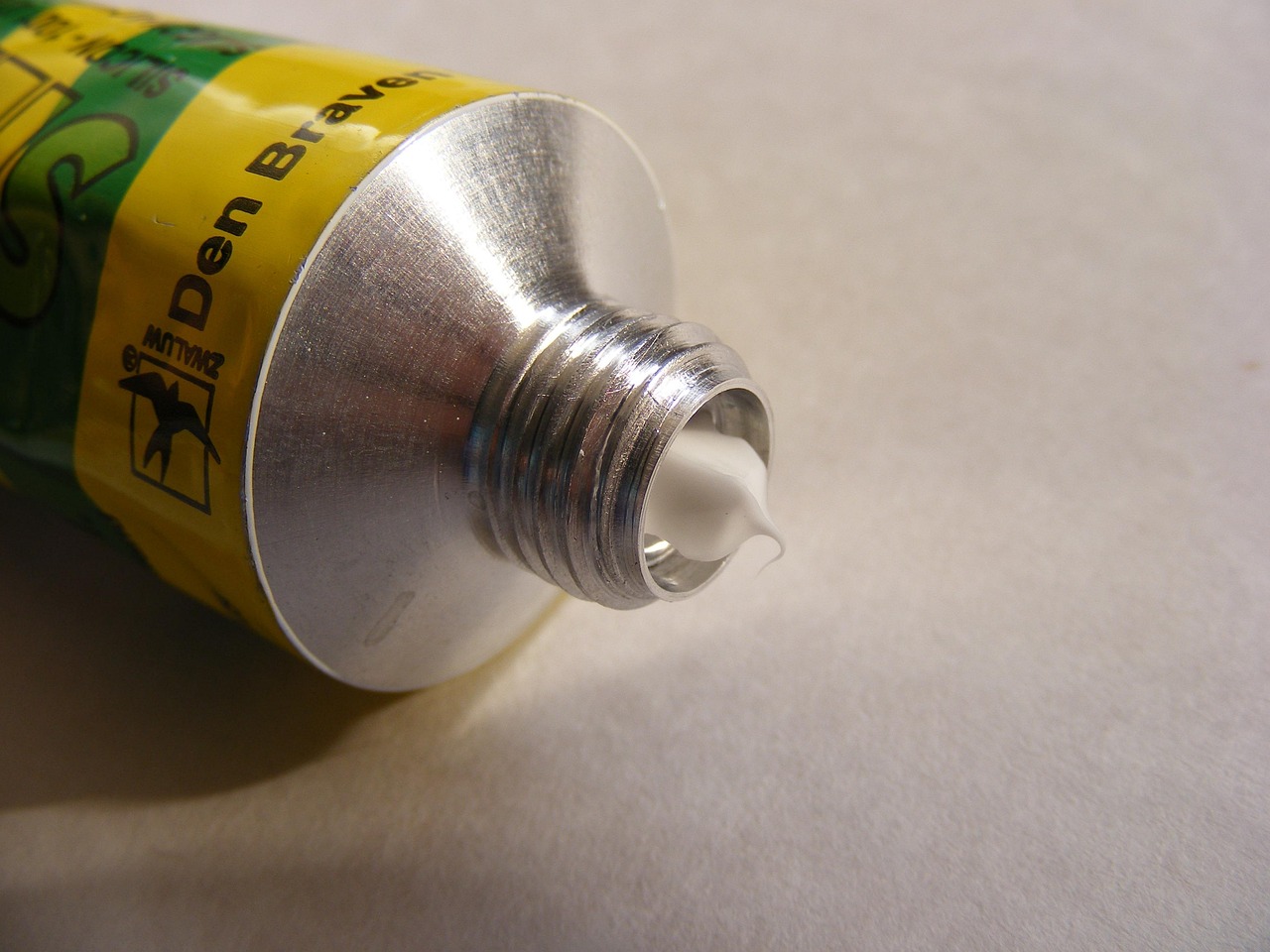
Polyurethane sealants are widely used in exterior building work because they offer a useful balance of adhesion, elasticity and toughness. Common applications include concrete control joints, masonry-to-frame transitions, wall penetrations, exterior perimeter joints around doors and windows, gaps between dissimilar materials and some pedestrian or vehicular traffic joints when the product is rated for that use.
The best-fit applications usually have three conditions in common. The joint is expected to move because of thermal expansion, moisture changes, vibration or minor building movement. The adjacent surfaces are sound enough to support adhesion. The joint also needs a weather-resistant seal, not just a thin cosmetic bead.
- Concrete and masonry joints: Urethane caulking is often considered where abrasion resistance and strong adhesion are needed.
- Exterior perimeter sealing: It can work around frames, panels and penetrations when the joint is correctly sized and tooled.
- Painted assemblies: Many polyurethane sealants are paintable after cure, which is useful where a visible bead must blend with trim or cladding.
- Vertical joints: Non-sag grades are designed to stay in place on vertical or overhead surfaces.
It is not safe to assume urethane caulking is suitable for every wet, glazed, submerged, fire-rated or food-contact condition. Those applications require specific listings, use classifications or manufacturer approvals. A product that performs well in a driveway control joint may not be suitable for aquarium work, structural glazing, natural stone, potable water contact or a rated firestop assembly.
How to read the specification on a tube or data sheet
The front label on a tube may say “urethane,” “polyurethane,” “construction sealant” or “adhesive sealant,” but the data sheet is where the selection details are found. In building specifications, ASTM C920 is the common reference for cured, cold-applied elastomeric joint sealants used in sealing, caulking or glazing operations on buildings, plazas and decks. It classifies sealants by type, grade, class and use. That classification is more useful than marketing language because it indicates how the product was categorized for movement, placement and substrate use.
| Specification item | What it means | Why it matters |
|---|---|---|
| Type S or Type M | Single-component or multicomponent sealant | Single-component products are simpler to use; multicomponent products may be chosen for larger or more controlled commercial work. |
| Grade NS or Grade P | Non-sag or pourable/self-leveling | Use non-sag grades for vertical joints and self-leveling grades for suitable horizontal joints. |
| Class 25, 35, 50 or other class | Movement capability classification | The class should match the expected joint movement; it is not a service-life guarantee. |
| Use T or NT | Traffic or non-traffic applications | Joints exposed to foot or vehicle traffic need a product rated for that exposure. |
| Use M, G, A, O or I | Tested use with mortar, glass, aluminum, other substrates or immersion | These codes help confirm whether the sealant was tested for the relevant surface or condition. |
A practical selection rule is simple: choose by the joint, not by the word “urethane.” If the joint is vertical, look for a non-sag grade. If it is horizontal and must flow into a saw-cut joint, a self-leveling grade may be more appropriate. If the joint sees traffic, look for a traffic use rating. If the joint may be submerged, do not assume exterior weather resistance is enough; check immersion suitability and the manufacturer’s instructions.
Urethane compared with silicone, acrylic latex and hybrid sealants
Choosing urethane caulking becomes easier when it is compared with other sealant families commonly found on construction sites. The right choice depends on exposure, movement, appearance, paintability and substrate compatibility.
| Sealant type | Common strengths | Common limitations | Typical fit |
|---|---|---|---|
| Urethane or polyurethane | Strong adhesion, good toughness, useful movement capability, often paintable after cure | May cure more slowly, may have odor or VOC considerations, and may need careful surface preparation | Exterior concrete, masonry, metal and painted building joints |
| Silicone | Strong weathering, UV resistance and flexibility in many formulations | Many silicones are not paintable; some can stain porous materials or need special primers | Glazing, high-UV exposure and certain wet-area joints when compatible |
| Acrylic latex or siliconized acrylic | Easy tooling, water cleanup, low odor and fast painting in many products | Usually lower movement and weathering capability than higher-performance elastomeric sealants | Interior trim, small gaps and lower-movement painted joints |
| Hybrid or modified polymer | Often combines paintability with good weathering and adhesion | Performance varies widely by formulation, so the data sheet matters | Exterior assemblies where paintability, adhesion and weathering must be balanced |
No single chemistry wins every comparison. Urethane caulking is often a strong candidate where adhesion and toughness matter. Silicone may be favored for long-term UV exposure or glazing, while acrylic may be enough for lower-movement interior work. Hybrids can also be useful, but they should be evaluated by the same criteria: movement class, substrate compatibility, exposure, cure and installation conditions.
Joint design is often more important than chemistry
Many sealant failures are treated as product problems when the real cause is joint design or surface preparation. A high-quality urethane caulking bead can still fail if it is too thin, too deep, bonded on three sides, applied to contaminated surfaces or expected to absorb more movement than its class allows.
ASTM C1193 is a commonly referenced guide for the use of joint sealants. A basic principle is that a sealant joint should be designed to move. The bead should bond to the two opposing sides of the joint, not to the back. This is why backer rod or bond-breaker tape is important. Backer rod controls sealant depth, supports tooling pressure and helps prevent three-sided adhesion. When a bead bonds to the back of the joint, it cannot stretch and compress freely; stress concentrates, and adhesive or cohesive failure becomes more likely.
Depth rules vary by manufacturer and joint size, so the product data sheet should control. Many elastomeric joint details use a bead depth smaller than the joint width for wider joints, with minimum and maximum depth limits. The goal is not to fill a deep void with expensive sealant. The goal is to create a correctly shaped, well-adhered, flexible seal at the working face of the joint.
- Do not bridge over failed material. Old silicone, loose urethane, dirt, laitance and paint failure can prevent adhesion.
- Use the correct backer rod diameter. It should fit snugly without being stretched lengthwise during installation.
- Respect minimum joint width. Very narrow cracks may not allow enough sealant body to move properly.
- Check substrate strength. A sealant cannot compensate for crumbling concrete, friable masonry or peeling coatings.
- Tool the bead. Tooling helps wet the sealant against the sides of the joint and shapes the surface for drainage.
Application checks before and during installation
Before applying urethane caulking, confirm that the product is within shelf life and has been stored as directed. Cold material can be difficult to gun and tool; overheated material may skin or cure unpredictably. Application temperature, humidity and substrate moisture can affect cure, so the current product data sheet should be followed rather than a general rule of thumb.
- Identify the joint function. Decide whether the joint is for weather sealing, movement, traffic, appearance or a combination of these.
- Remove incompatible or failed materials. Cut out old sealant, scrape loose residue and clean the sidewalls to sound material.
- Prepare the surfaces. Dust, oils, curing compounds, moisture and weak coatings can reduce adhesion. Some substrates require primer.
- Install backer rod or bond breaker. Set it to the depth required for the selected sealant and joint width.
- Apply a continuous bead. Avoid gaps, air pockets and stop-start voids, especially in water-shedding joints.
- Tool promptly. Tooling should press the sealant against the sidewalls and create a smooth, functional profile.
- Protect the cure. Prevent dirt, water, traffic or paint from disturbing the bead before it has cured enough for the next step.
Painting deserves special attention. Many urethane sealants are paintable, but “paintable” does not mean paint can be applied immediately. Some products require full cure, and some coatings may crack over a flexible bead if the paint film cannot tolerate movement. A small compatibility test is a practical step when appearance matters. See also: Membranes.
Limitations, safety and maintenance considerations
Urethane caulking can be durable, but it is still a maintenance material. Exterior joints should be inspected periodically for loss of adhesion, splits, hardening, chalking, dirt pickup, water paths or damage from traffic and cleaning. Sealant life depends on exposure, movement, workmanship and substrate stability; it should not be treated as permanent.
Indoor use requires extra care. The U.S. Environmental Protection Agency has noted that some conventional construction adhesives and sealants can release volatile organic compounds, and low-VOC or no-VOC wording does not automatically mean zero emissions or zero risk. For occupied interiors, review the safety data sheet, choose a product appropriate for indoor use, ventilate as directed and avoid unnecessary overuse.
Compatibility also matters. Some sealants interact poorly with asphaltic materials, certain plastics, natural stone, damp substrates, coatings or previously installed sealants. Urethane caulking should not be used as a substitute for flashing, drainage design, structural repair, firestopping, waterproofing membranes or glazing systems unless the product is specifically approved for that role.
A simple selection workflow
A reliable specification process does not start with brand preference. It starts with exposure and movement, then narrows the product choice.
- Define the exposure: sun, rain, freeze-thaw, immersion, traffic, cleaning chemicals or interior occupancy.
- Estimate movement: consider temperature range, material expansion, joint width and building movement.
- Match the ASTM classification: review type, grade, class and use codes rather than relying on marketing claims.
- Check substrates: confirm adhesion to concrete, mortar, aluminum, coated metal, wood, glass or other surfaces as applicable.
- Confirm installation conditions: temperature, moisture, primer, cure time, paint time and traffic return.
- Plan maintenance: make the joint accessible for inspection and future replacement.
The key takeaway is that urethane caulking is often a practical, professional choice for exterior construction joints, but it performs as part of a system. Product chemistry, ASTM classification, joint geometry, backer rod, substrate preparation and curing conditions all work together. When those pieces are aligned, polyurethane sealant can provide a flexible and durable seal. When they are ignored, even a premium tube can fail early.
Frequently asked questions
Is urethane caulking the same as polyurethane sealant?
In most construction conversations, yes. “Urethane caulking” usually refers to a polyurethane sealant. Product labels vary, so the data sheet should be checked for chemistry, ASTM classification, movement class and approved uses.
Can urethane caulking be painted?
Many polyurethane sealants are paintable, but the timing depends on the product and coating. Some require full cure before painting. Always check the data sheet and test the coating if the joint will move or if appearance is critical.
Is urethane caulking waterproof?
It can form a weather-resistant seal when properly selected and installed, but “waterproof” should not be read as suitable for every submerged or continuously wet condition. Immersion, pools, below-grade work and specialty waterproofing require products specifically rated for those conditions.
Do I need backer rod with urethane caulking?
For many deeper or moving joints, yes. Backer rod helps control depth and prevent three-sided adhesion, allowing the sealant to stretch and compress between the two sidewalls. The correct size and placement should follow the manufacturer’s instructions.
Can new urethane caulking go over old silicone?
It is usually poor practice. Silicone residue can prevent adhesion, and failed sealant should be removed to sound, clean sidewalls before a new bead is installed. If complete removal is difficult, an adhesion test or manufacturer guidance is important.


