
Waterproof paint for wood and when to use it instead of stain
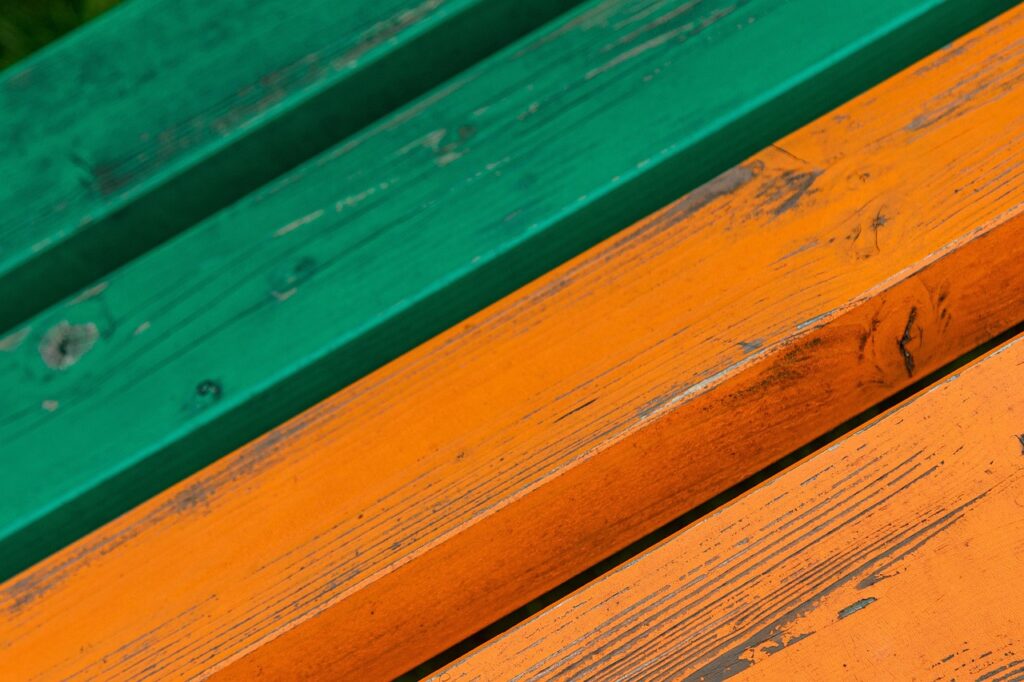
Waterproof paint for wood is useful when a project needs an opaque, decorative finish that sheds rain and slows moisture entry. It is commonly considered for exterior siding, trim, fences, doors, and some outdoor furniture. It should not be treated as a permanent moisture barrier, and it is not the right finish for every deck, damp board, or poorly detailed assembly.
Wood expands and contracts as its moisture content changes. For that reason, the coating system, surface preparation, end-grain sealing, primer choice, and maintenance plan are just as important as the wording on the can. In practice, an exterior acrylic paint system is often a good fit for sound vertical wood, a solid-color stain may be better for some weathered boards or deck applications, and a penetrating water-repellent sealer is usually the better option when the wood grain should remain visible.
What waterproof paint for wood actually means
The phrase waterproof paint for wood is common in retail searches, but it can be misleading. Most exterior wood coatings are better described as water-shedding or water-resistant systems. They reduce liquid water absorption, protect against weathering, and improve appearance, but they cannot make wood permanently waterproof under all service conditions.
Wood is porous and hygroscopic. It can absorb and release moisture through exposed faces, end grain, fastener holes, joints, checks, and the back side of boards. When trapped moisture tries to escape through a rigid or poorly bonded coating, peeling, blistering, cracking, and mildew staining can follow. The U.S. Forest Products Laboratory has long emphasized that moisture control is central to exterior wood finish performance, especially around board ends, edges, and joints.
That is why a coating should be selected as part of a system, not as a single miracle layer. A durable exterior finish usually depends on proper drying, cleaning, sanding or surface conditioning, primer where needed, compatible topcoats, protected end grain, and periodic inspection. For more surface-protection topics, see the coatings section.
Paint, solid stain, sealer, and water repellent compared
Many coating failures start with the wrong finish choice. Paint, solid stain, semi-transparent stain, clear sealer, and water repellent may appear in the same product category, but they perform differently on wood.
| Finish type | How it protects wood | Where it is commonly suitable | Main limitation |
|---|---|---|---|
| Exterior paint | Forms an opaque film that sheds water and blocks sunlight | Siding, trim, doors, shutters, fences, protected furniture | Can peel if moisture enters from behind or if preparation is poor |
| Solid-color stain | Provides opaque color with a coating that is often less film-like than paint | Fences, siding, railings, some decks depending on product label | Hides most wood grain and still needs maintenance |
| Semi-transparent stain | Penetrates or partially penetrates while adding pigment and water resistance | Decking, fences, cedar, redwood, outdoor furniture | Usually needs more frequent renewal than opaque systems |
| Clear sealer or water repellent | Helps shed liquid water while keeping the natural appearance | Fresh exterior wood, end grain, fences, furniture, some deck boards | Limited UV protection unless it contains pigment or UV additives |
Exterior paint is usually the most opaque and decorative option. It works best on vertical wood because rain drains away more quickly and there is no foot traffic abrading the surface. On horizontal surfaces, especially decks, standing water, sun exposure, abrasion, and wood movement make film-forming paint more vulnerable. This is why many deck products are sold as stains or resurfacers rather than ordinary house paint.
A solid-color stain can be a practical compromise. It covers discoloration and creates a uniform color, while in some exterior applications it may be easier to maintain than a thick paint film. A clear water repellent serves a different purpose. It is mainly used for moisture management and a natural look, not for hiding defects or providing the same UV protection as pigmented coatings.
Where waterproof wood paint works well
Water-resistant exterior paint can perform well on vertical or moderately protected wood where the substrate is sound and the coating can dry between wetting cycles. Common examples include exterior trim, fascia, shutters, doors, garden structures, fences, and properly detailed wood siding.
For siding and trim, an acrylic latex exterior system is often preferred because it remains more flexible than many older brittle coatings and tolerates normal wood movement better. A stain-blocking primer may be needed on woods that contain extractives, such as cedar or redwood, or where tannin bleed is likely. The Forest Products Laboratory has reported strong performance from all-acrylic latex topcoats over suitable acrylic latex primers in exterior wood testing, especially when the system is applied correctly.
Paint is also appropriate when the design requires a uniform architectural color rather than visible grain. It blocks sunlight from reaching the wood surface, helping slow photodegradation. Sunlight breaks down lignin at the wood surface, and that weathered layer can weaken adhesion if it is not removed before repainting. This is one reason old gray wood usually needs cleaning and sanding before a new coating is applied.
Even a good paint system still needs construction details that move water away from the assembly. Sloped caps, drip edges, ventilated cladding, back-priming where appropriate, sealed cuts, and well-caulked joints can matter as much as the coating itself. Paint should not be used to compensate for chronic leaks, ground contact, failed flashing, or trapped condensation.
Where stain or sealer may be the better choice
Waterproof paint for wood is not always the practical answer. For a deck, dock, stair tread, picnic table top, or another horizontal surface exposed to standing water and abrasion, a penetrating or semi-penetrating stain may be easier to maintain. These surfaces take more punishment than siding because water sits longer and traffic wears the finish.
If the goal is to preserve the look of cedar, redwood, teak, or another attractive wood, clear or lightly pigmented products may be more appropriate than opaque paint. The trade-off is maintenance. Clear coatings generally provide less UV protection than pigmented finishes, so the wood may gray or need more frequent renewal. Pigment, even in a semi-transparent stain, helps screen sunlight.
Pressure-treated lumber also requires caution. New pressure-treated wood can contain significant moisture, and coating it too soon may trap water. A simple water-drop test can help indicate whether the surface is ready: if water beads strongly, the wood may not absorb a penetrating finish well; if water soaks in after a short time, it may be closer to ready. The product label and local conditions should still guide timing.
Previously painted wood is another special case. A penetrating stain cannot perform properly over an intact paint film because it cannot reach the wood. In that situation, the usual choices are repainting, applying a compatible solid coating, or removing the old film before switching finish types. Compatibility should always be checked before applying a water-based coating over old oil-based paint or an unknown finish.
How to prepare wood before applying a waterproof coating
Preparation often determines whether a coating protects the wood or fails early. The basic rule is to coat clean, dry, sound wood. Dirt, mildew, chalk, loose fibers, mill glaze, wax, old failing paint, and weathered gray fibers can all reduce adhesion.
- Identify moisture problems first. Look for leaks, poor drainage, soil contact, failed caulk, open end grain, and boards that stay wet after rain. Coating over these problems rarely works.
- Clean the surface. Remove dirt, mildew, and chalk. Rinse thoroughly if cleaners are used, because residue can interfere with adhesion.
- Remove loose coating. Scrape and sand peeling paint to a firm edge. Feather-sand transitions so the new film does not bridge weak edges.
- Let the wood dry. Do not rely only on surface appearance. Wood can look dry while moisture remains inside checks, joints, or end grain.
- Seal end grain and cuts. End grain absorbs water faster than face grain. Pay extra attention to board ends, notches, fastener penetrations, and cut edges to reduce moisture cycling.
- Use the right primer. Bare wood usually needs a compatible exterior primer before paint. Stain-blocking primer may be needed for tannin-rich species or knots.
- Apply within the recommended weather window. Temperature, humidity, dew, direct sun, and rain timing affect film formation and cure.
For repainting older homes, lead-safe work practices may be required if the existing coating could contain lead. In the United States, homes built before 1978 require particular caution because lead-based paint was used historically. Renovation rules and local requirements should be checked before sanding or scraping unknown old coatings. See also: Membranes.
Application details that improve water resistance
A waterproof-looking finish can still fail if it is applied too thin, too thick, or in the wrong sequence. Coatings are formulated for a target film thickness. Over-thinning, stretching coverage, or skipping coats can leave the surface porous. Heavy application can also cause problems if the surface skins over while the lower layer remains soft.
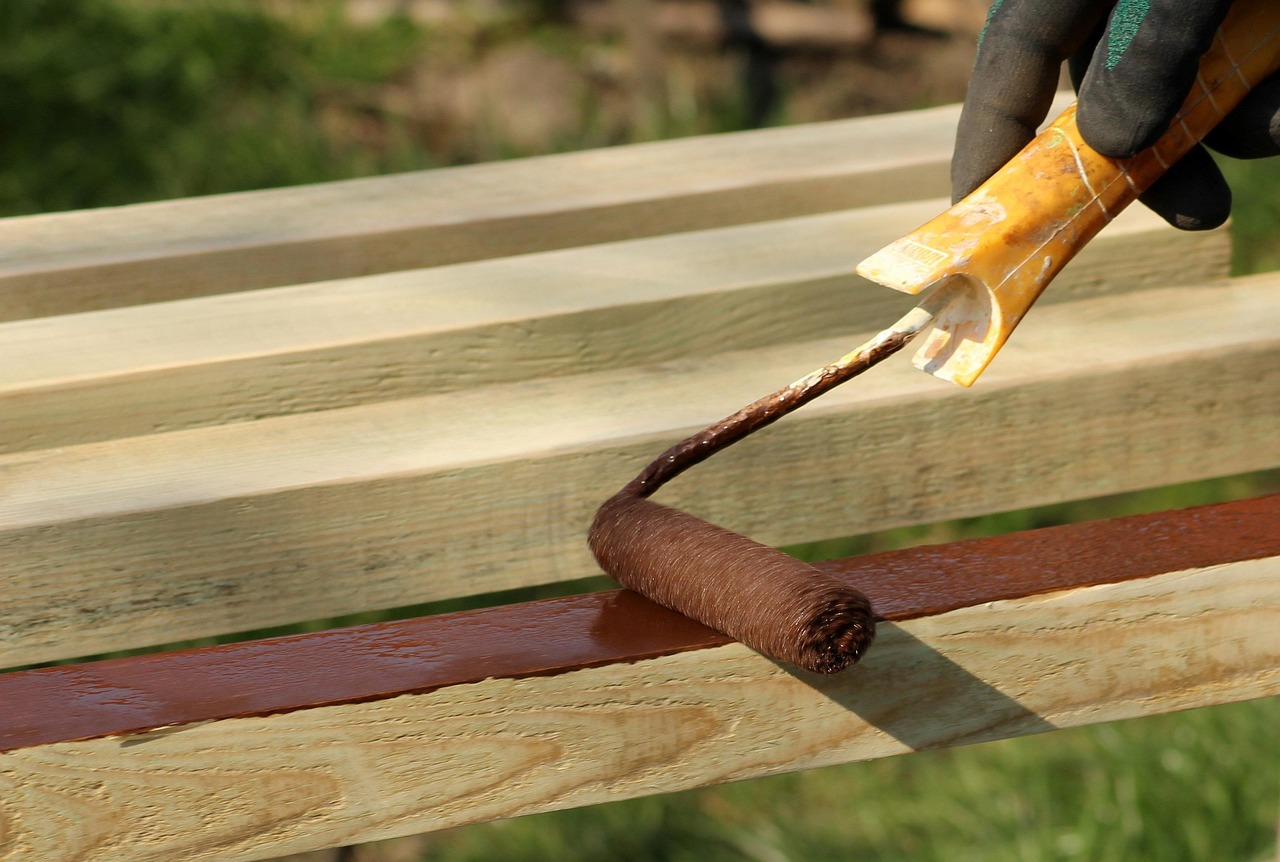
Follow the label for spread rate, recoat time, application tools, and temperature range. Brush application is often useful on rough wood, joints, edges, and end grain because it helps work the coating into the surface texture. Spraying can be efficient, but back-brushing or back-rolling is often needed on exterior wood to improve contact.
Edges deserve special attention. Many failures begin at board ends, lower edges, horizontal ledges, and fastener holes. These areas absorb more water and go through repeated wet-dry cycling. A second pass on edges and end grain is usually worth the small extra time.
Caulk should be used carefully. Seal narrow joints where the coating manufacturer or construction detail calls for it, but do not block designed drainage or ventilation paths. Trapped water behind siding or trim can push paint off from the back side. A coating can shed exterior rain, but it cannot solve moisture coming from inside a wall or from poor flashing.
Maintenance and signs that the coating is failing
No exterior wood coating is maintenance-free. Inspection once or twice a year is a practical habit, especially after winter, rainy seasons, or intense summer sun. Early maintenance is much easier than full removal after widespread peeling.
Look for hairline cracks, open joints, soft wood, mildew, chalking, peeling at edges, dark staining around fasteners, and areas where water no longer beads or sheds. South- and west-facing exposures often weather faster in the Northern Hemisphere because they receive stronger sunlight. Horizontal surfaces and lower trim also tend to need earlier attention.
Maintenance depends on the finish type. Painted wood may need washing, spot-priming, caulking repair, and a fresh topcoat before the film fails. Stained wood may need cleaning and reapplication more often, but it can sometimes be renewed without the same level of scraping required for peeling paint. Clear water repellents may need the most frequent renewal because they provide limited UV screening.
If paint is peeling in sheets, the problem is usually not just age. Common causes include coating damp wood, missing primer, glossy old paint that was not sanded, trapped moisture behind the board, incompatible coatings, or painting during poor weather. Solving the cause is more important than adding another coat.
Frequently asked questions
Can waterproof paint make wood completely waterproof?
No. Exterior paint can shed rain and slow moisture entry, but wood can still absorb moisture through uncoated faces, end grain, joints, fastener holes, and cracks. A better goal is controlled moisture movement, good drainage, and a coating system that can tolerate normal wood movement.
Is waterproof paint good for decks?
Only if the product is specifically rated for deck surfaces. Ordinary exterior house paint is often a poor choice for exposed deck boards because foot traffic, standing water, and sun exposure make horizontal surfaces difficult. Deck stains or resurfacing products are often more practical, depending on the condition of the wood.
Do I need primer before waterproof paint on wood?
Bare exterior wood usually needs primer before paint unless the product is specifically designed as a self-priming system for that substrate. Primer improves adhesion, helps seal porous areas, and can reduce tannin bleed on certain species. Always follow the coating manufacturer’s label.
What is the difference between waterproof paint and wood sealer?
Paint forms an opaque film and changes the appearance of the wood. A sealer or water repellent is usually clearer and is designed mainly to reduce water absorption. Sealers preserve more grain but usually provide less UV protection than pigmented paint or stain.
How long should wood dry before painting?
There is no universal number because drying depends on species, thickness, treatment, weather, and exposure. The surface should be clean and dry, and pressure-treated lumber may need extra drying time. When the project is important, a moisture meter and the coating label provide better guidance than a fixed waiting period.
Bottom line for choosing a wood waterproofing finish
Choose waterproof paint for wood when the project needs an opaque, weather-resistant finish on sound vertical wood and the surface can be prepared, primed, edge-sealed, and maintained properly. Choose solid stain when the goal is color with potentially easier maintenance on weathered exterior boards. Choose semi-transparent stain or water repellent when grain visibility and easier renewal matter more than full color coverage.
The practical lesson is straightforward: the coating label matters, but the wood condition and detailing matter more. A good exterior finish manages water, sunlight, movement, and maintenance together. When those details are handled correctly, paint can be a strong protective option. When they are ignored, even a product marketed as waterproof may fail before its time.


