Wall Cracked Repair vs Replacement Which Fix Actually Lasts?
What Does a Wall Crack Tell You Before Repair?
A wall crack is usually a sign that something has changed in the building. Proper wall cracked repair starts with checking that sign before you use filler, mesh, epoxy, or paint. If you look after building finishes, basements, partitions, or concrete walls, a short site check can save cost and stop the same crack from showing again. For more construction use cases and material ideas, you can also review related Applications from Realloong.
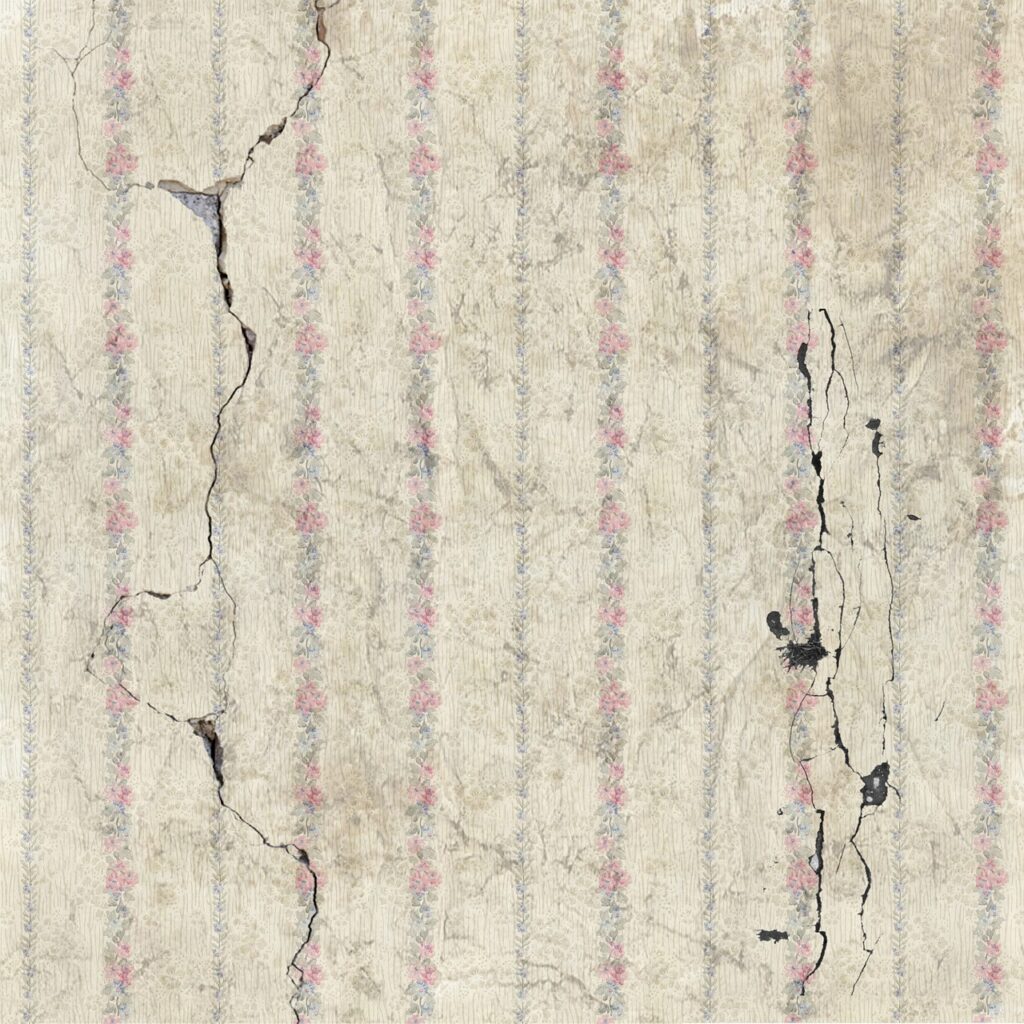
The first thing to check is simple: is the crack only in the surface finish, or is the wall still moving? Width helps, but the crack pattern tells more. A thin vertical crack in old plaster is not the same issue as a horizontal crack in a basement block wall. A crack that comes back after every rainy season is also giving useful information, even when it looks small.
Hairline Surface Cracks
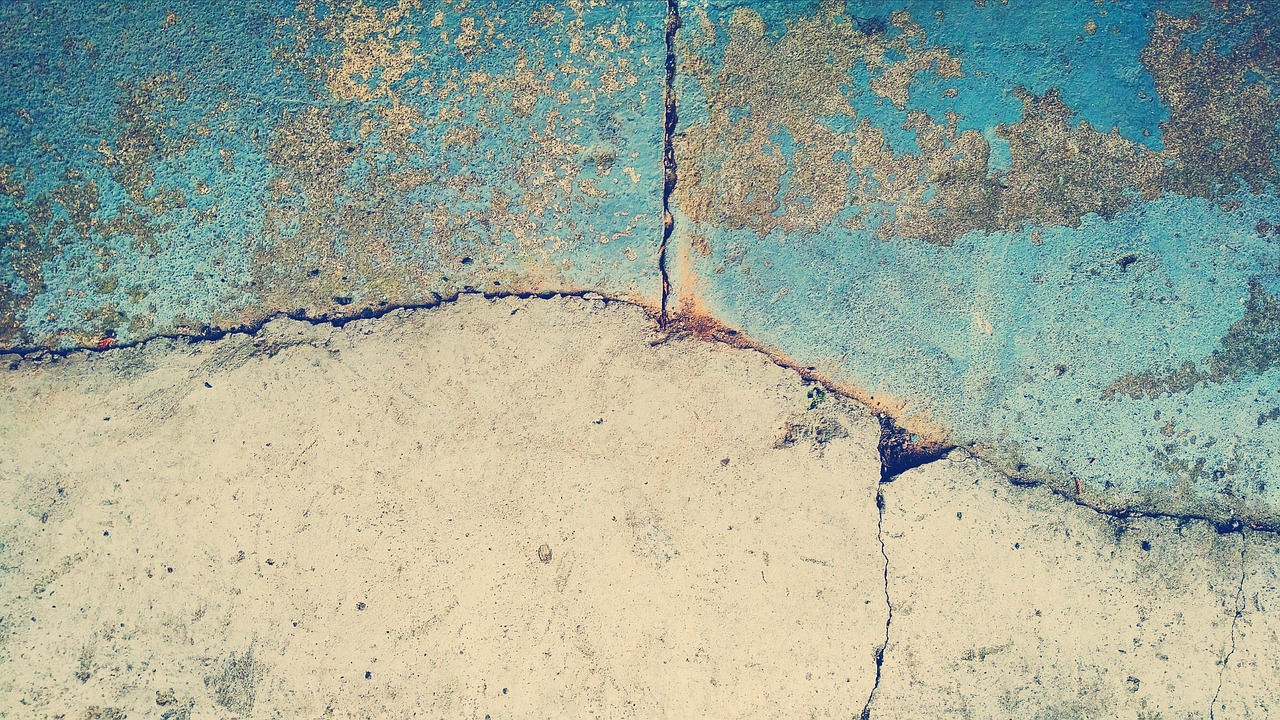
Hairline cracks in paint, skim coat, drywall compound, or plaster often come from shrinkage, temperature change, or normal drying. They are usually narrow, shallow, and level on both sides. You can often repair them by cleaning the area, using a flexible compound, adding tape where needed, sanding, and repainting. Still, do not cover loose edges or dusty plaster. A neat patch over a weak surface will fail soon, and that is a common site problem.
Diagonal and Stair-Step Cracks
Diagonal cracks near window corners, door heads, or masonry joints can point to settlement, lintel movement, or stress around an opening. In brick and block walls, stair-step cracks often follow mortar joints because the mortar is weaker than the units. These cracks need a closer look if they widen, cross several courses, or show crushed mortar. The U.S. Geological Survey reported a Denver-area case where homes built on Pierre Shale saw differential movement, failed foundations, and cracked pavements after construction in 1986. The lesson is simple: soil and structure work together, and the result can be good or bad.
Horizontal or Tapered Cracks
Horizontal cracks in foundation walls need extra care because they may be linked to soil pressure, poor drainage, or wall bending. Tapered cracks also matter because the shape can show how the wall is moving. FEMA P-50-1 Seismic Retrofit Guidelines, issued in 2021, notes that foundation wall cracks wider at one end can indicate rotation of the stem wall. That does not make every tapered crack an urgent case, but it should not be treated as only a paint defect.
When Is Wall Cracked Repair a DIY Job?
Some wall cracks can be handled without heavy tools or an engineer. The safer DIY work is usually cosmetic, dry, stable, and easy to inspect. Before repair, take photos with a ruler, mark the date, and check the crack again after a week or two. It is a basic step, but it gives you a record before you spend time on the finish.
Stable Interior Plaster or Drywall
For drywall or plaster cracks that stay the same size, open the crack slightly, remove loose material, vacuum dust, and apply a compatible patching compound. Paper tape or fiberglass mesh helps when the crack runs along a board joint. Feather the repair wider than the crack instead of only covering the line. If the crack sits above a door corner, add tape and keep an eye on whether the door starts sticking. A wall repair lasts longer when the stress point is handled too.
Non-Moving Shrinkage Cracks in Concrete
Concrete shrinks as it cures, so fine shrinkage cracks are common on many jobs. If the crack is dry, narrow, not offset, and not growing, a non-structural filler or surface sealant may be enough. The American Concrete Institute ACI 562-16 repair standard discusses assessment and rehabilitation of existing concrete structures, and it points to crack injection materials such as epoxy and polyurethane where suited. In practical terms, choose the material after you know whether the crack needs strength, water control, or only surface sealing.
Clean Crack Preparation
Most small repairs fail because the preparation was rushed. Remove flaking paint, weak plaster, salts, loose mortar, and damp debris before applying any filler. Use a brush and vacuum instead of pushing dust deeper into the crack. If the crack is wet, stop the cosmetic work for the moment. Filler placed over damp, dirty edges can peel, stain, or trap moisture behind the finish.
When Should You Call an Engineer or Contractor?
Some cracks should be checked by a structural engineer, qualified inspector, or repair contractor. There is no dependable public rule that makes one crack width safe or unsafe for every wall, so avoid using fixed numbers without context. A 1/8 inch crack in a moving retaining wall can be more serious than a wider old plaster crack. Look at movement, moisture, distortion, and the wall type before choosing the repair.
Bowed Masonry or Offset Edges
If a masonry or concrete wall bows inward, leans, or has offset crack edges, get a professional review. That wall may be resisting soil, floor loads, roof loads, or seismic forces. The 2024 International Residential Code, Chapter 4, treats foundation wall height, unbalanced backfill, anchorage, and engineered design as code issues. Put simply, basement and retaining walls are not just finish surfaces. They hold things back and help carry loads.
Water Entry and Mold Risk
Water changes the repair plan because a dry crack and a leaking crack are not the same job. The U.S. EPA states in its Mold, Moisture and Your Home guidance, updated in 2026, that wet or damp materials dried within 24 to 48 hours will usually not grow mold. EPA also recommends indoor relative humidity below 60 percent, ideally 30 to 50 percent. If a crack leaks after rain, sealing the visible face may not solve it. Gutters, grading, wall drainage, or plumbing leaks may also need work.
Load Paths Around Openings
Cracks above wide doors, garage openings, steel beam pockets, lintels, or column points need extra care. These areas often carry concentrated loads. A patch can hide the sign while the load path keeps moving. If doors rub, windows bind, floors slope, or trim gaps grow, the wall crack is only one part of a larger building movement issue.
Which Repair Method Fits Each Wall Material?
The right method depends on the wall material and the reason for the crack. Drywall, plaster, brick, block, and concrete do not move or fail in the same way. A repair that works well on a bedroom wall may fail in a damp basement. Matching the method to the material is a basic part of a repair that lasts.
Drywall Tape and Joint Compound
Drywall repair is usually about bonding the surface and controlling small movement. For straight joint cracks, remove failed compound, apply tape, bed it flat, and finish with two or three thin coats. For repeated corner cracks, use flexible caulk at trim joints or reinforce the corner with suitable tape. Paint only after the patch is dry and sanded smooth. Thick compound can shrink and leave a ridge, so it is better to build the repair in thin layers.
Masonry Repointing and Stitching
Brick or block cracks often need mortar work rather than surface filler. Repointing means removing weak mortar to a proper depth and packing new mortar into the joint. Use mortar that suits the existing wall because very hard mortar on old soft brick can damage the brick face. For wider structural masonry cracks, a contractor may add embedded stitching bars or reinforcement. That step should come only after the cause of the movement has been dealt with.
Concrete Injection and Sealants
Concrete cracks can be sealed, injected, routed, or rebuilt depending on the repair goal. Epoxy injection can bond a dry structural crack when the wall is stable. Polyurethane injection is often used for active water leakage because it can react and expand in damp cracks. Surface sealants suit non-moving, non-structural cracks. ACI repair guidance supports this cause-based choice instead of using one product for every crack. See also: Membranes.
How Can Site Conditions Stop the Crack from Coming Back?
A wall repair is only as reliable as the conditions around it. Many cracks return because the building sees the same stress every season. Water, soil, humidity, and daily use all matter. The work may look basic, but this is often where the real fix starts.
Roof Water and Downspout Control
Roof water should be directed away from the wall and foundation. EPA moisture guidance recommends clean gutters and ground that slopes away from the foundation so water does not collect near the building. If downspouts release water beside a basement wall, even a sound crack repair may leak again. Extend the discharge, clear blocked gutters, and check splashback marks after a storm.
Soil Shrink-Swell Movement
Clay soil can shrink in dry weather and swell after rain, which puts repeat stress on foundations and walls. The Colorado Geological Survey reports that expansive soils cause a few billion dollars in annual damage to houses, buildings, roads, and pipelines in the United States. That public data gives useful background: soil movement is common, and it is not only a large-project problem. For wall crack repair, the point is direct. Keep soil moisture more consistent and fix drainage before relying on surface patching.
Interior Moisture and Ventilation
Bathrooms, kitchens, laundries, and poorly vented rooms can add moisture to walls. If paint bubbles near a crack, check indoor humidity, pipe sweating, and ventilation before repainting. EPA’s 30 to 50 percent ideal indoor humidity range is a useful target for many buildings. In real maintenance work, winter condensation on cold corners is often the early warning that gets missed until stains appear.
What Should a Professional Repair Plan Include?
A professional plan should be more than a price and a product name. You need a clear record of the crack, the likely cause, the repair method, and the final check. This matters even more for commercial interiors, basements, warehouses, hotels, and multi-unit housing. One failed repair in those buildings can affect many rooms or tenants.
Crack Mapping and Photos
Start with a crack map. Mark length, width, direction, nearby openings, moisture marks, and any offset. Photos with a ruler help show whether the crack grows over time. For active movement, a contractor may use crack gauges or repeat measurements. This is not paperwork for show. It gives you facts when someone asks whether the repair is still holding three months later.
Cause-Based Scope of Work
The scope should connect the repair method to the cause. If the crack is cosmetic, the scope may include surface prep, tape, filler, sanding, and paint. If the crack leaks, the scope should include water control. If the wall moves, the scope may include reinforcement, drainage, underpinning, or engineered repair. The 2024 IRC and ACI repair standards both support the same broad idea: structural work needs proper design and suitable materials.
Final Checks and Maintenance
After repair, check the wall after the first heavy rain, after seasonal temperature change, and during routine maintenance. Look for hairline reopening, stains, peeling paint, salt deposits, and sticking doors. A good repair should leave the wall stable, dry, and ready for finish. It should not only make the crack disappear for a real estate photo.
FAQ
Q1: Is every wall crack a structural problem? A: No. Many hairline cracks in paint, plaster, and drywall are cosmetic. Cracks that are horizontal, tapered, offset, wet, or growing deserve professional review.
Q2: Can you paint over a wall crack after filling it? A: Yes, if the crack is dry, clean, stable, and fully cured after repair. If moisture or movement remains, paint will likely split, bubble, or stain again.
Q3: What is the best filler for wall cracked repair? A: There is no single best filler. Drywall often needs tape and joint compound. Masonry may need repointing. Concrete may need epoxy, polyurethane, or sealant based on the crack goal.
Q4: Why does the same crack keep coming back? A: The cause may still be active. Common reasons include seasonal soil movement, roof water near the foundation, indoor humidity, weak joints, or stress around doors and windows.
Q5: Should a leaking foundation crack be repaired from inside or outside? A: It depends on access, wall type, drainage, and water pressure. Interior injection can stop many leaks, but exterior drainage or grading may be needed when water keeps loading the wall.