Is Water Proofing for Basement Worth It Before the First Leak?
Why Does Water Proofing for Basement Matter Before Water Shows Up?
Good water proofing for basement work should start before the floor feels damp or the first carton in storage falls apart. If you are checking below-grade construction solutions, the Applications section gives a simple look at how waterproofing materials are used on real jobs. A basement is pressed by soil, rainwater, temperature changes, and in some sites groundwater. Even concrete that looks fine from inside is working in a hard location.
A dry basement is not just a comfort item. It helps the building last longer. Water can get in through wall cracks, cold joints, pipe penetrations, porous masonry, the wall-floor joint, or bad outside drainage. A good system controls water before it reaches the room, instead of only reacting when it shows on the slab.
Below Grade Walls Face Constant Moisture
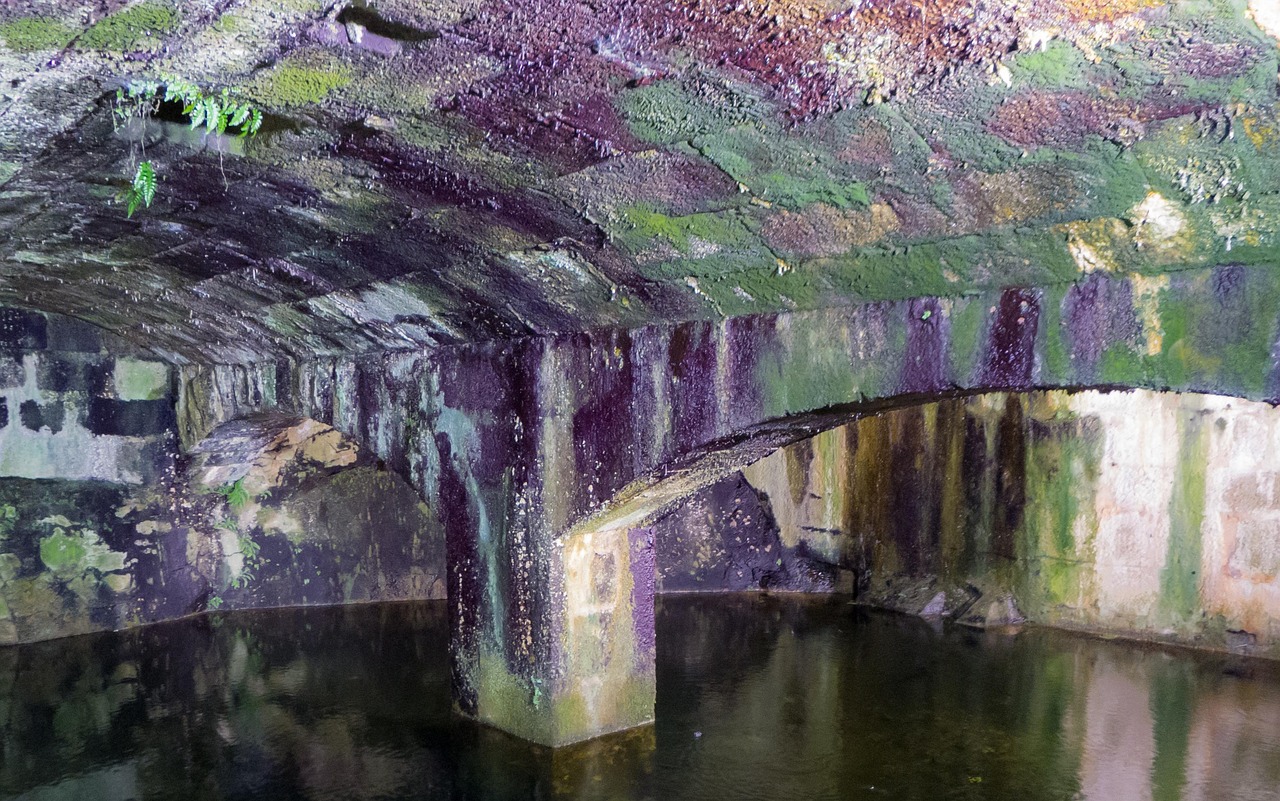
Basement walls sit below grade, so wet soil stays against them for a long time. Concrete and masonry are strong materials, but they still take in water through pores and fine cracks. Building Science Corporation has often explained below-grade water control as a layered job, with drainage, waterproofing, capillary control, and vapor control working together. That matters on site because one coating may not deal with water pressure trapped behind the wall.
Small Leaks Can Become Costly Fast
FEMA FloodSmart says one inch of floodwater can cause more than 25,000 dollars in damage to a home. This number is about flood damage, not every small basement leak, but it still shows how fast water can spread after it gets into finished space. In 2024, FEMA also reported billions of dollars of flood damage in communities outside the usual high-risk areas. The practical point is simple: do not judge a basement only by the flood zone map.
Mold Risk Starts With Time and Moisture
The U.S. Environmental Protection Agency says mold control indoors depends on moisture control, and it advises drying damp building materials within 24 to 48 hours. In a basement, seepage behind insulation, racks, or stored goods can stay wet longer than that. Once moisture sits behind finishes, a small mark on Monday can become a clear odor by Friday. That musty smell is not harmless; it usually means moisture is still present.
What Causes Basement Water Problems in Real Buildings?
Basement water problems usually do not start with one dramatic failure. More often, they come from site conditions that happen again after each storm. A downspout drops water beside the wall, soil settles toward the foundation, or a drain fills with silt. After a long rain, water takes the easiest way in.
Poor Grading Near the Foundation
The University of Minnesota Extension lists grading as one of the main controls for basement moisture. Ground should slope away from the house, so rainwater does not sit against the wall. A small negative slope can still cause trouble. On older buildings, soil often settles in the backfill area and leaves a shallow channel beside the foundation. Mulch or decorative stone can hide it, so a quick check after rain is useful.
Gutters That Drop Water Too Close
Roof water is concentrated water. Even a small roof area can send a lot of water to one corner during a storm. The same University of Minnesota Extension guidance names gutters and downspouts as basic protection against basement moisture. Downspouts should send water away from the foundation, and splash blocks should not point it back at the wall. It sounds simple, but many basement jobs start with this common fault.
Groundwater Pressure at the Footing
When the soil around the footing is saturated, water pushes against the wall and slab. This is hydrostatic pressure. The 2024 International Residential Code separates dampproofing from waterproofing and requires waterproofing where hydrostatic pressure exists. This difference matters in design and quoting. Dampproofing can handle light soil moisture, while waterproofing is made for stronger water exposure. If water rises near the footing, the project needs a real waterproofing and drainage plan.
Which Waterproofing Method Fits Your Basement?
No single method fits every basement. A new commercial basement with open excavation is not the same as a 40-year-old house with finished walls and a narrow side yard. The system should match the water source, site access, wall condition, and the owner’s tolerance for future risk.
Exterior Membranes Block Water Early
Exterior waterproofing is often the straightest way to protect a basement because it stops water before it reaches the foundation wall. Common systems include liquid-applied membranes, sheet membranes, self-adhered membranes, and cementitious coatings. In new construction, exterior access makes the work easier. In repair work, excavation adds cost and mess, but it also lets the crew check cracks, joints, honeycombed concrete, and pipe penetrations that are hard to fix from the inside.
Drainage Boards Move Water Downward
A membrane should not be left to fight standing water on its own. Drainage boards, dimple mats, or drainage composites give water a path down to the footing drain. Building Science Corporation notes that drainage reduces local water pressure near the foundation. On site, that is easy to understand: less pressure means less chance of water forcing through a small weak point in the waterproofing layer.
Interior Drains Manage Existing Seepage
Interior perimeter drains can manage water that has already reached the wall-floor joint. They are common in retrofit work because they avoid full exterior excavation. Still, interior drainage is water management, not the same as stopping water outside the wall. For storage rooms, mechanical rooms, or basements where digging is not realistic, it can be a workable choice when used with a sump pump and humidity control.
How Should Materials Be Chosen for Basement Waterproofing?
Material choice should follow site conditions, not only the price per pail or roll. A basement waterproofing system needs enough flexibility, adhesion, puncture resistance, and detail support to handle installation and backfill. Even a costly membrane can fail if seams, corners, or pipe penetrations are handled badly.
Concrete Crack Width and Joint Movement
Concrete can crack because of shrinkage, settlement, temperature movement, or loading. Fine cracks may need one repair method, while active cracks need closer treatment. At construction joints, waterstops or joint sealants may be needed before the main membrane is applied. If a crack keeps moving, a brittle coating may split again. In that case, a flexible membrane or injection repair detail may work better.
Membrane Type and Seam Quality
Sheet membranes provide factory-controlled thickness, but seams and overlaps still need careful work. Liquid-applied membranes can form a continuous layer around corners and shapes, but they rely on correct wet-film thickness and curing time. Cementitious materials can bond well to mineral surfaces, though they may not bridge movement as well as elastomeric products. The material is only part of the job. The installer’s details often decide whether the system stays dry.
Protection Layer Before Backfill
Backfill can harm waterproofing. Sharp stones, broken concrete, tools, and rough compaction can puncture a membrane. A protection board or drainage layer helps protect the system before soil is placed back. Owners may never see this step again after the wall is buried, but it is important. One small puncture can later become a leak that is hard to trace. See also: Membranes.
What Does a Good Installation Process Look Like?
A good installation process is more than coating the wall and leaving the site. It starts with diagnosis, then surface repair, waterproofing, drainage, protection, and discharge planning. If one step is skipped, the water problem often moves to another place in the basement.
Site Check and Water Path Mapping
The first step is to map where water comes from and where it can go. Check roof runoff, grading, soil type, cracks, window wells, stairwells, service penetrations, and sump location. Also look at the height of staining on walls. A stain near the floor points to a different issue than water entering around a window well. On commercial projects, the check should include drainage discharge rules and local code needs.
Surface Preparation Before Coating
Waterproofing needs a clean and sound surface. Loose material, form oil, dirt, old coatings, and sharp fins can reduce adhesion. Honeycombs and voids should be patched before the membrane goes on. Inside corners often need fillets, so the membrane is not pulled over a sharp angle. Pipe penetrations need sealant, collars, or compatible flashing. This work takes time, but poor surface preparation wastes good material quickly.
Drain Pipe, Gravel, and Discharge
A footing drain should move collected water to a safe outlet, sump, or approved storm system. Many designs use perforated pipe, clean stone, filter fabric, and a protected discharge route. The University of Minnesota Extension notes that drain tile systems are recommended around basement walls, even in sandy or gravel soils. During installation, these checks are worth doing:
- Pipe slope that carries water to the outlet or sump
- Clean stone around the pipe to support flow
- Filter fabric to reduce silt clogging
- Accessible cleanouts where service may be needed
- Discharge away from the foundation and neighboring properties
How Can You Maintain a Dry Basement After Installation?
Even a well-built waterproofing system needs basic care. The work is not complicated. Watch how water moves, keep drainage paths clear, and make sure mechanical parts are ready before storms.
Seasonal Checks After Heavy Rain
After a heavy rain, walk around the outside of the building. Look for ponding near the wall, overflowing gutters, settled soil, or downspout extensions that have moved. Inside, check corners, pipe penetrations, window wells, and the wall-floor joint. Early signs can be easy to miss: a darker concrete patch, peeling paint, a mineral stain, or a box that feels soft at the bottom.
Sump Pump Testing Before Storm Season
If the system uses a sump pump, test it before the heavy rain season. Pour water into the pit and confirm that the pump starts, discharges, and shuts off. A backup pump or battery backup is worth looking at in areas where storms often cause power cuts. FEMA and NFIP materials often mention elevated equipment and risk reduction as practical ways to reduce flood damage. Basement equipment should be planned with the same idea.
Interior Humidity Control
Waterproofing controls liquid water, but indoor humidity still needs attention. The EPA recommends moisture control as the main way to limit indoor mold growth. A dehumidifier, sealed air leaks, and suitable insulation choices can keep basement air more stable. Do not trap damp concrete behind vapor-tight finishes unless the wall assembly has been designed for it. A wall can look dry and still release vapor into the room.
FAQ
Q1: Is water proofing for basement needed if there is no visible leak? A: Yes. It can still be needed when the basement is below grade, the soil stays wet, or the building will have finished interiors. Waiting for a visible leak often means water has already found a path through the structure.
Q2: Is exterior waterproofing better than interior drainage? A: Exterior waterproofing usually gives stronger protection because it blocks water before it enters the wall. Interior drainage can still help when excavation is not practical, but it manages water after it reaches the basement.
Q3: What is the difference between dampproofing and waterproofing? A: Dampproofing resists soil moisture under lighter conditions. Waterproofing is designed for tougher exposure, especially where hydrostatic pressure may occur. The 2024 International Residential Code makes this difference clear in foundation requirements.
Q4: Can paint stop basement water leaks? A: Paint may reduce small surface dampness, but it should not be treated as a full waterproofing system. Active leaks, pressure, cracks, and exterior drainage issues need repair details that match the water source.
Q5: How much does basement waterproofing cost? A: No reliable public data can price every basement waterproofing project because depth, soil, access, crack repair, drainage design, and local labor all affect the number. A site inspection is the safer basis for a real estimate.