Crack in basement wall or floor and what to check before repair
Start with the crack pattern, not the repair product
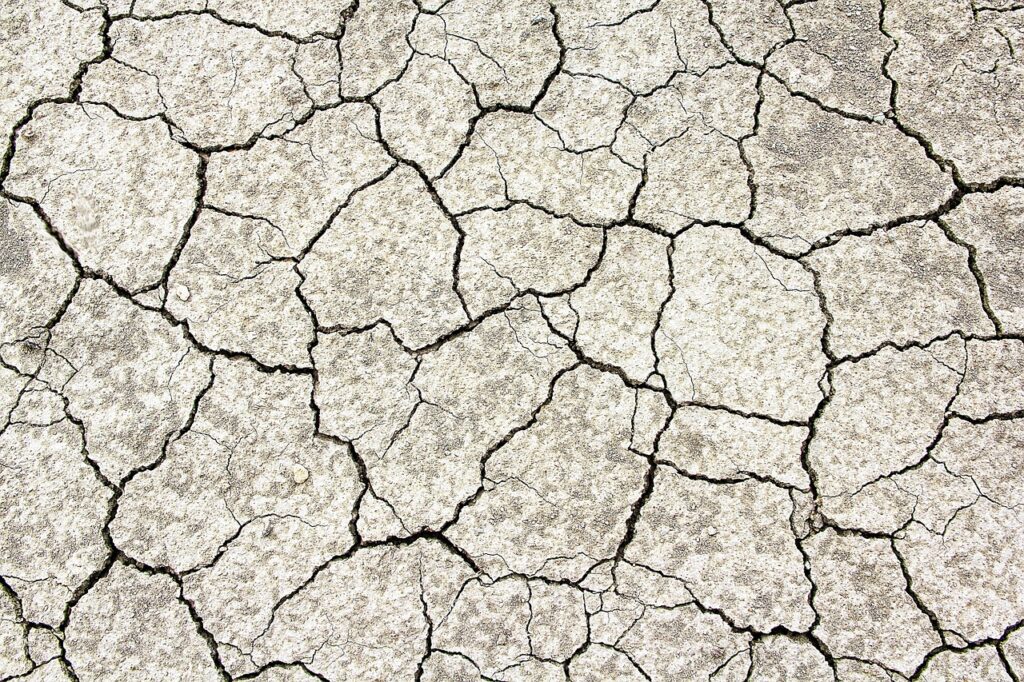
A crack in a basement wall or floor can mean several different things. Some hairline cracks are the predictable result of concrete shrinkage, curing, settlement, or stress around openings. Others point to water pressure, poor drainage, soil movement, frost action, or structural distress. The first practical step is not to seal the crack immediately. It is to identify the crack type, whether it is moving, whether water is entering, and whether the wall or slab is displaced.
Guidance from the International Residential Code, EPA moisture-control publications, HUD inspection materials, university extension resources, and building-science references points to the same conclusion: basement cracks should be evaluated as part of a wider foundation, drainage, and moisture-control system. You can also explore more in Applications.
For related below-grade construction topics, see the Applications section.
Common types of basement cracks
Basement cracks are easier to assess when they are grouped by direction, location, width, and change over time. The categories below are not a substitute for an engineer’s inspection, but they help owners, inspectors, and project teams avoid treating every crack as the same problem.
| Crack type | Typical location | Common meaning | When to take it seriously |
|---|---|---|---|
| Hairline vertical crack | Poured concrete wall | Often related to shrinkage, curing, or normal concrete movement | If it widens, leaks repeatedly, or appears with wall movement |
| Diagonal crack | Wall corners, window openings, stepped foundations | Can relate to settlement, stress concentration, or differential soil movement | If wider at one end, growing, or paired with sticking doors or uneven floors |
| Horizontal crack | Basement wall, especially mid-height or near grade | Can indicate lateral soil pressure, frost pressure, or wall bending | Most horizontal wall cracks deserve professional evaluation, especially with bowing |
| Stair-step crack | Concrete block or masonry wall joints | Often follows mortar joints and may suggest settlement or lateral pressure | If blocks are displaced, the wall is bulging, or the crack continues to open |
| Floor slab crack | Basement floor | May result from shrinkage, slab settlement, or subbase movement | If there is heaving, water seepage, radon concern, or a large vertical offset |
Concrete is expected to crack under some conditions. Building Science Corporation has long emphasized that the more important questions are whether water can reach the crack and whether the surrounding drainage system allows pressure to build against the foundation. A dry, stable hairline crack and a leaking crack under active soil pressure are very different problems.
Why basement cracks happen
Concrete shrinkage and curing
Concrete changes volume as it cures and dries. If the concrete is restrained, stresses concentrate and cracks can form. Openings, corners, changes in wall height, penetrations, and control joints are common crack locations because stress naturally collects there. In many poured-wall basements, a narrow vertical crack that stays stable for years may be less concerning than a new horizontal crack or a crack with displacement.
Settlement and differential movement
Foundations rely on supporting soil. If one part of the foundation bears on soil that compresses more than another part, cracks may form as the structure adjusts. Settlement-related cracks are often diagonal or stepped. They become more significant when they appear with sloping floors, doors that no longer latch, gaps at trim, or repeated cracking after cosmetic repair.
Hydrostatic pressure and poor drainage
Water is one of the most common drivers of basement crack problems. When roof runoff, surface water, or groundwater collects against the foundation, pressure can push moisture through joints, cracks, honeycombed concrete, or gaps around pipes. Building-science guidance describes this as a bulk-water control issue. The goal is to keep as much unwanted water as possible away from the soil around the foundation.
The 2024 International Residential Code includes requirements for foundation drainage, dampproofing, waterproofing in specific conditions, and positive drainage away from the building. Local codes and adopted editions vary, so the exact requirement depends on the jurisdiction. The principle is consistent: below-grade spaces need water management on the exterior side, not only patches on the interior side.
Frost, expansive soil, and lateral pressure
In cold regions, water in soil can freeze and expand. In regions with expansive clay, soil can swell when wet and shrink when dry. Both conditions can increase lateral pressure on basement walls. Horizontal cracks, bowed walls, and inward displacement are warning signs because they may indicate that the wall is being pushed from outside.
Construction joints, penetrations, and older repairs
Not all openings are random cracks. Cold joints, form-tie holes, pipe penetrations, and wall-floor joints can all become leakage paths. Previous repairs also matter. A surface patch that covers a crack without addressing water pressure may hide the issue temporarily while moisture continues to move behind the patch.
Warning signs that need faster attention
Some basement cracks can be monitored. Others should not be delayed. A qualified foundation professional or structural engineer should be considered when any of the following conditions are present:
- A horizontal crack in a basement wall, especially if the wall is bowed or leaning inward.
- A crack that is widening, lengthening, or reappearing after repair.
- Vertical displacement where one side of the crack sits higher than the other.
- Stair-step cracking in masonry with block movement or mortar separation.
- Active water entry during rain, snowmelt, or when the sump pump is running often.
- Rust staining, efflorescence, damp insulation, musty odor, or recurring mold near the crack.
- Cracking paired with uneven floors, sticking doors, window distortion, or gaps at framing.
- Cracks near retaining conditions, walkout basement walls, steep slopes, or recently changed grading.
HUD’s residential rehabilitation inspection guidance treats bowed foundation walls, horizontal cracking, humped floors, and surface drainage toward the house as conditions that deserve careful evaluation. The age of the building also matters. A small crack that has not changed for decades is different from a similar crack that appears quickly in a newer structure.
Moisture diagnosis before crack repair
Water does not need a large opening to create a basement problem. It can move through cracks, joints, porous materials, and capillary paths. EPA moisture-control guidance emphasizes source control: manage exterior water, reduce indoor moisture sources, and allow assemblies to dry. For a basement crack, the moisture investigation should come before selecting injection, patching, coating, or drainage work.
Check roof runoff and grading
Gutters, downspouts, splash blocks, and grading are often the lowest-cost clues. If water from the roof is discharged beside the foundation, the soil next to the basement wall can stay wet and increase pressure against the wall. A practical inspection should ask whether downspouts discharge well away from the house, whether paved surfaces slope toward the wall, and whether soil has settled beside the foundation.
Look for signs of repeated wetting
Efflorescence, peeling paint, rusted fasteners, damp carpet edges, stained baseboards, and musty odors can indicate recurring moisture even when no water is visible during inspection. Moisture meters, humidity readings, and observation during a storm can help separate condensation from liquid water intrusion. Condensation tends to relate to cold surfaces and indoor humidity, while seepage often follows rain patterns or snowmelt.
Consider the wall-floor joint
Water at the wall-floor joint may not be coming through a wall crack. It may be related to groundwater pressure under the slab, blocked footing drains, a high water table, or missing sub-slab drainage. Sealing only the visible joint may reduce seepage temporarily, but it may not solve the pressure source.
Repair choices depend on structure, water, and access
The right repair method depends on what the crack is doing. A cosmetic crack in a dry, stable slab does not need the same treatment as a leaking wall crack or a bowed wall. The following options are common, but each has limits. See also: Membranes.
Monitoring and documentation
For narrow, dry, stable cracks, monitoring may be appropriate. Mark the crack ends with a pencil, take dated photos, record the width, and check after heavy rain, snowmelt, and seasonal temperature changes. Simple documentation can prevent overreaction while still catching movement early.
Interior crack injection
Epoxy and polyurethane injection are common for poured concrete wall cracks. Epoxy is often associated with structural bonding where conditions are suitable, while polyurethane is commonly used for sealing active water leaks because it can react and expand in the presence of moisture. Product selection and installer judgment matter. Injection does not correct exterior drainage, soil pressure, or wall movement.
Surface patching and coatings
Surface patching can improve appearance and may help with minor defects, but it is often a weak solution for active water pressure. Coatings on the interior face of a basement wall should not be treated as a full substitute for exterior water management. If pressure remains behind the wall, moisture may find another path.
Exterior excavation and waterproofing
Exterior repair gives direct access to the outside face of the foundation. It may include crack repair, waterproofing membrane, drainage board, free-draining backfill, footing drain correction, and protection at grade. It is more disruptive than interior work, but it addresses the side where water pressure begins.
Structural reinforcement
When a wall is moving, bowed, cracked horizontally, or displaced, repair may require structural reinforcement rather than simple sealing. Depending on the building and soil conditions, solutions may include engineered wall bracing, anchors, carbon-fiber reinforcement, steel members, rebuilding a wall section, or correcting exterior loads. These decisions should be made with professional evaluation because the wrong repair can conceal movement without resisting the cause.
How to inspect a basement crack step by step
- Record the location. Note whether the crack is in a poured wall, block wall, slab, corner, opening, pipe penetration, or wall-floor joint.
- Describe the direction. Identify whether it is vertical, diagonal, horizontal, stair-step, random, or map cracking.
- Measure the width. Use a crack gauge, ruler, or feeler gauge where possible, and record the date.
- Check displacement. Run a straightedge across the crack to see whether one side is offset or whether the wall is bowed.
- Look for moisture clues. Check for staining, mineral deposits, dampness, mold odor, or wet finishes.
- Inspect the exterior. Review grading, gutters, downspouts, window wells, patios, driveways, and soil settlement near the wall.
- Watch during rain. Many leakage patterns only appear during or after storms.
- Review history. Ask when the crack appeared, whether it has changed, and whether nearby excavation, landscaping, plumbing leaks, or drainage changes occurred.
- Decide whether to monitor or escalate. Stable, dry hairline cracks may be tracked. Moving, leaking, horizontal, displaced, or bowing cracks need faster professional attention.
Prevention is mostly water management
Basement crack prevention is not only about stronger concrete. It is also about reducing the loads and moisture conditions that cause cracks to leak or grow. Good practice includes positive site drainage, working gutters, extended downspouts, maintained window wells, backfill that does not trap excessive water, functioning perimeter drains where required, and careful detailing at penetrations and joints.
For new construction and major rehabilitation, below-grade design should coordinate the foundation wall, dampproofing or waterproofing layer, drainage layer, footing drain, backfill, slab vapor control, and drying path. Treating these as separate items can create gaps. For example, a good membrane without drainage may still be stressed by water pressure, while a drain without proper discharge may not lower the water load around the footing.
For existing buildings, prevention often starts with simple observations: where does roof water go, where does surface water collect, and what changed before the crack or leak appeared? Those questions are often more useful than starting with a repair material.
Frequently asked questions
Is every crack in a basement wall serious?
No. Many narrow vertical cracks in poured concrete are related to shrinkage or normal movement and may remain stable. The concern rises when the crack is horizontal, widening, leaking, displaced, or associated with bowing, settlement, or repeated moisture.
Can I seal a basement crack from the inside?
Some cracks can be sealed from the inside, especially accessible poured-concrete cracks where injection is appropriate. However, interior sealing does not remove exterior water pressure. If drainage, grading, or groundwater is the cause, the crack may leak again or moisture may move elsewhere.
Why does the crack only leak during heavy rain?
That pattern often suggests that surface water or roof runoff is loading the soil near the foundation. During heavy rain, water pressure rises outside the wall and finds the easiest path through cracks, joints, or penetrations.
Should I repair a crack before finishing a basement?
Yes. The crack and any moisture source should be evaluated before insulation, framing, flooring, or wall finishes are installed. Covering a crack can hide water entry and make later repair more expensive.
Who should inspect a basement crack?
A home inspector may document visible conditions, a waterproofing contractor may evaluate leakage repair, and a structural engineer may be needed when there is movement, bowing, displacement, settlement, or uncertainty about load capacity. The more the crack suggests structural movement, the more important independent engineering judgment becomes.
The practical conclusion
A basement crack is a symptom, not a complete diagnosis. A useful evaluation asks four questions: what type of crack is it, is it moving, is water reaching it, and what exterior conditions are contributing to the problem? Stable hairline cracks may only need monitoring or limited repair. Leaking cracks require moisture diagnosis. Horizontal, widening, displaced, or bowed-wall cracks deserve prompt professional review. By connecting the visible crack to drainage, soil pressure, construction joints, and code-level moisture control, owners and project teams can choose a repair that addresses the cause rather than only covering the line on the wall.