
Acrylic waterproofing paint for roofs and walls, uses, limits and specification checks

What acrylic waterproofing paint is designed to do
Acrylic waterproofing paint is a liquid-applied, water-based coating that cures into a flexible film. In building work, it is commonly used to reduce rainwater ingress on exterior walls, concrete surfaces, metal roofs, roof restoration systems and other exposed substrates that can accept a coating. Its practical value is clear: it can cover minor surface cracks, create a continuous protective layer, improve reflectivity when formulated as a white roof coating, and extend the maintenance interval of a suitable surface.
It should not be treated as a cure for active leaks, poor drainage, structural cracking, below-grade hydrostatic pressure or a roof that has reached the end of its service life. For building owners, designers and contractors comparing coatings, the key question is not whether acrylic waterproofing paint is “waterproof” in a broad sense. The better question is whether the coating system matches the exposure, substrate, slope, crack movement, surface preparation and maintenance plan.
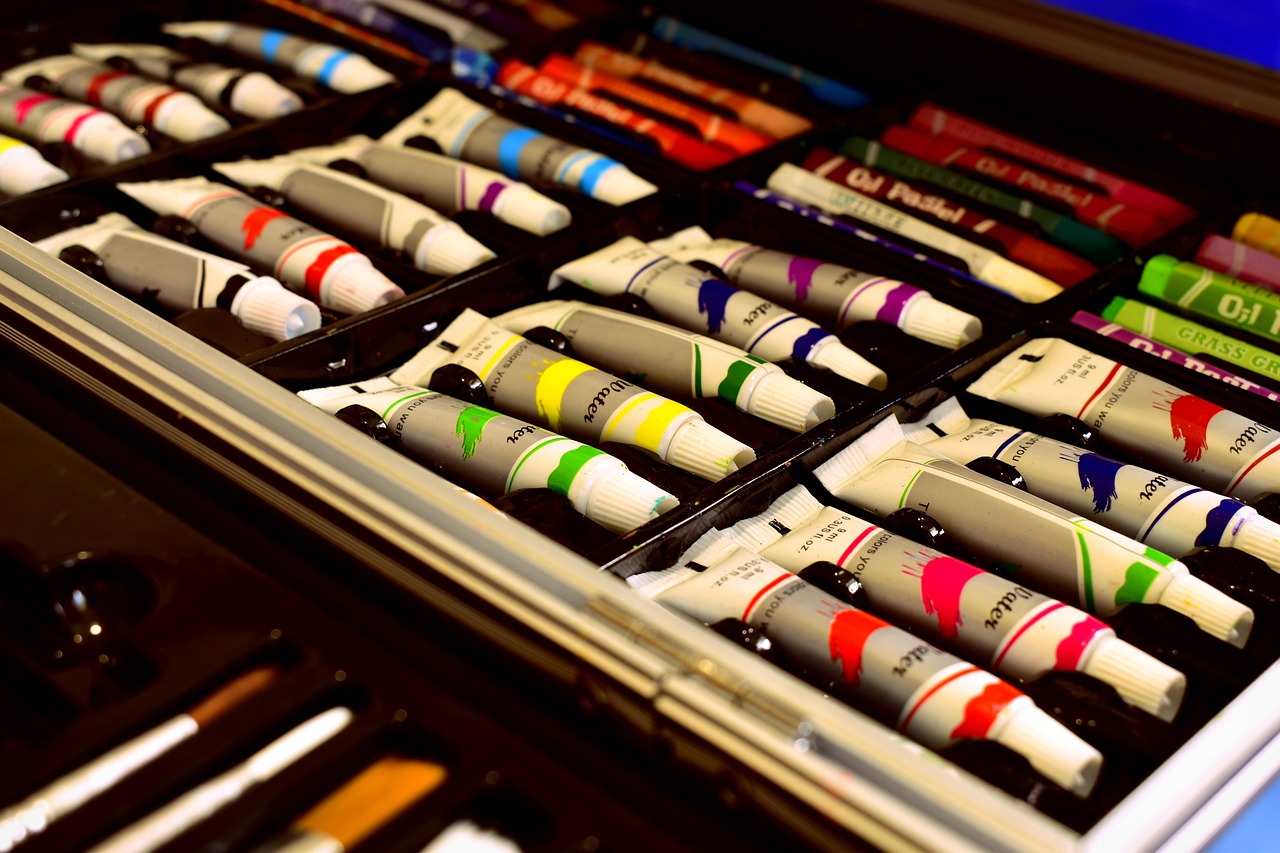
How acrylic waterproofing paint works
Acrylic waterproofing paint is made with acrylic polymer binders, pigments, fillers and additives dispersed in water. After application, the water evaporates and the acrylic binder forms a film. Many products are described as elastomeric because the cured coating can stretch and recover to some degree as the substrate expands, contracts or experiences fine movement.
This film-forming behavior explains both the benefits and the limits of acrylic coatings. On a clean, dry and stable surface, the coating can bridge small hairline cracks and reduce rain penetration. On a dirty, wet, chalky, oily or unstable surface, adhesion becomes the weak point. If the coating cannot bond to the substrate, it cannot perform as a waterproofing layer, regardless of how strong the formulation appears on a product sheet.
For roof applications, ASTM D6083/D6083M-24 is a relevant specification because it covers liquid-applied acrylic coatings used in roofing. It is not a design guide for every project condition, but it is a useful reference when a specification needs a recognized benchmark rather than a vague product description. For exterior walls and masonry, performance should be checked through the manufacturer’s data, substrate compatibility and local exposure conditions instead of assuming that a roof coating standard automatically applies.
Where acrylic waterproofing paint is commonly used
Acrylic waterproofing paint is best suited to above-grade surfaces exposed to rain, sunlight and normal thermal movement, but not continuous submersion. Typical uses include roof restoration, exterior concrete walls, parapets, metal roof panels, fiber cement surfaces, masonry walls and some previously coated substrates after compatibility testing.
- Low-slope roof restoration: Acrylic roof coatings may be used over suitable existing roof systems when the roof is structurally sound, dry, clean and still serviceable.
- Exterior masonry and concrete: Elastomeric acrylic coatings can help reduce wind-driven rain absorption and improve façade appearance.
- Metal roofs: Acrylic coatings can help protect prepared metal panels, fasteners and laps, provided rust treatment and primer selection are handled correctly.
- Parapets and upstands: These areas often need added protection because they are exposed to UV, rain and movement at transitions.
- Cool roof applications: White or reflective acrylic roof coatings may improve solar reflectance when properly formulated and maintained.
The Cool Roof Rating Council identifies solar reflectance and thermal emittance as the two basic characteristics used to describe cool roof performance. The U.S. Department of Energy also explains that light-colored or reflective roof surfaces can reduce heat absorption. These points support reflective coatings as part of a heat-management strategy, but they do not mean every acrylic waterproofing paint automatically qualifies for a local energy code or incentive program.
Where it should not be used as the main waterproofing solution
The most common specification error is using acrylic waterproofing paint where the real problem is drainage, structural movement or water pressure. Acrylic coatings are surface-applied materials. They are not a replacement for below-grade waterproofing membranes, foundation drainage, roof slope correction or major crack repair.
The 2024 International Building Code distinguishes between dampproofing and waterproofing for foundation walls and floors. Where hydrostatic pressure exists and a groundwater control system is not designed, the code requires waterproofing rather than simple dampproofing. That distinction matters because many paint-like coatings are intended for non-pressurized moisture exposure, not for water pushing through a wall or slab from the ground side.
On roofs, ponding water is another major limitation. Industry guidance from the Roof Coatings Manufacturers Association notes that acrylic roof coatings are water-based and that ponding water can accelerate degradation and reduce coating life. Some manufacturers formulate acrylic systems with improved ponding resistance, but this should be verified product by product. A general acrylic coating should not be assumed suitable for standing water.
| Condition | Is acrylic waterproofing paint usually appropriate? | What to check first |
|---|---|---|
| Sound exterior wall exposed to rain | Often suitable | Substrate dryness, cracks, primer and vapor behavior |
| Metal roof with good slope | Often suitable | Rust treatment, fastener repair, seams and primer |
| Low-slope roof with ponding water | Use caution | Drainage correction, manufacturer approval and warranty terms |
| Active roof leak | Not as a stand-alone fix | Leak source, wet insulation and membrane damage |
| Below-grade wall with hydrostatic pressure | Usually not suitable | Code-required waterproofing and drainage design |
| Moving structural crack | Not as a paint-only repair | Structural evaluation and joint detailing |
Key specification checks before selection
Choosing acrylic waterproofing paint should start with project conditions, not color or price. A coating that performs well on a prepared concrete wall may fail on a damp roof with poor drainage. A product suitable as a reflective topcoat may not be intended to seal joints without reinforcement.
Substrate compatibility
Confirm whether the product is recommended for the actual substrate: concrete, masonry, metal, modified bitumen, spray polyurethane foam, single-ply membrane or a previous coating. Compatibility is especially important over asphaltic materials, PVC, EPDM and unknown existing coatings. Site adhesion testing is often more useful than relying only on broad product claims.
Surface preparation
Most coating failures begin before the coating is applied. Dirt, biological growth, chalking, rust, loose paint, oils and trapped moisture can all interfere with adhesion. Roofs and walls should be cleaned, repaired and allowed to dry according to the coating manufacturer’s instructions. Cracks, laps, penetrations and transitions usually need separate detailing before the main coating is installed.
Film thickness and coverage rate
Acrylic waterproofing paint depends on the cured film. If the coating is applied too thinly, it may not bridge minor defects or provide the intended durability. If it is applied too thickly in one pass, drying and curing can be uneven. Specifications should state the required wet film thickness, dry film thickness, number of coats and coverage rate rather than saying only “apply waterproof paint.”
Weather during application
Because acrylic coatings are water-based, weather conditions matter. Low temperature, high humidity, rain, dew or a cold substrate can slow drying and affect film formation. Application should be planned around the manufacturer’s minimum temperature, maximum humidity, rain-free window and surface temperature requirements.
Movement and detailing
Elastomeric acrylic coatings can accommodate limited movement, but they are not a substitute for expansion joints, flashing, sealant design or fabric reinforcement where the system requires it. Parapet corners, roof penetrations, seams, fasteners and wall transitions deserve particular attention because they are common failure points. See also: Membranes.
Acrylic compared with silicone, polyurethane and cementitious options
Acrylic waterproofing paint is attractive because it is usually water-based, easy to apply, UV resistant and available in reflective colors. Other waterproofing materials may be more appropriate depending on the exposure. The right choice depends on the failure mode that must be controlled.
| Material type | Typical strengths | Typical limitations | Common use fit |
|---|---|---|---|
| Acrylic waterproofing paint | UV resistance, reflectivity, flexibility, water-based application | Ponding water sensitivity, dependence on surface preparation | Above-grade walls, reflective roof coatings, restoration on suitable surfaces |
| Silicone roof coating | Strong UV and ponding water resistance in many systems | Can attract dirt, may need special preparation for recoating | Low-slope roofs with wet exposure concerns |
| Polyurethane coating | Abrasion resistance and toughness | May have stronger odor or more demanding application controls | Trafficable or impact-prone areas depending on system design |
| Cementitious waterproofing | Good mineral substrate compatibility, useful in concrete and masonry systems | Less flexible unless polymer modified, detailing remains critical | Tanks, wet rooms, concrete surfaces and some below-grade assemblies when designed for that use |
| Sheet or liquid membrane system | Designed waterproofing layer with defined detailing | Higher installation complexity and cost | Foundations, roofs, podiums and assemblies requiring robust waterproofing |
This comparison does not make one material universally better than another. It shows why the word “waterproofing” must be tied to a specific exposure. A reflective acrylic roof coating may be a sensible maintenance layer on a dry, serviceable roof, while a membrane system may be required for below-grade walls or assemblies exposed to water pressure.
Application and maintenance practices that affect performance
Even a correctly selected coating can fail early if application and maintenance are weak. A practical acrylic waterproofing paint project should include inspection, repair, preparation, priming where required, controlled application and follow-up maintenance.
- Inspect the surface: Identify leaks, trapped moisture, rust, loose coatings, open seams, failed sealant and structural cracks.
- Correct water pathways: Improve drainage, clear gutters and repair flashings before coating. Paint should not be expected to solve standing water.
- Repair defects: Treat cracks, fasteners, penetrations and joints with the specified sealant, patching compound or reinforcement fabric.
- Clean and dry: Remove contaminants and allow the substrate to dry. Moisture trapped under a coating can lead to blistering or adhesion loss.
- Use the specified primer: Primers are often necessary on porous, chalky, metallic, asphaltic or previously coated surfaces.
- Apply in the required coats: Follow wet film thickness, drying time and recoat window requirements. Cross-direction coats can improve coverage uniformity.
- Inspect after curing: Look for pinholes, thin spots, missed edges, blistering and poor adhesion at transitions.
- Maintain the surface: Keep drains clear, remove debris, clean reflective surfaces when needed and repair mechanical damage promptly.
Maintenance is especially important for reflective roof coatings. Dirt, biological growth, foot traffic and ponding residue can reduce reflectance over time. That does not necessarily mean the coating has failed as a water-resistant layer, but it can reduce the cooling benefit that influenced the product selection.
How to decide if acrylic waterproofing paint is the right choice
Acrylic waterproofing paint is a good candidate when the surface is above grade, structurally sound, repairable, compatible with the coating, and exposed mainly to rain and sunlight rather than long-term immersion or water pressure. It is also useful when reflectivity, easy application and recoating potential are important.
It is a weaker candidate when there is active leakage, wet insulation, persistent ponding, below-grade water pressure, large moving cracks or uncertainty about the existing substrate. In those cases, the first step should be diagnosis rather than coating selection. A coating may still be part of the final repair, but it should not be the only waterproofing strategy.
A good project specification should name the substrate, preparation method, primer, crack treatment, reinforcement details, coating thickness, number of coats, weather restrictions, inspection points and maintenance expectations. If those details are missing, “acrylic waterproofing paint” remains only a product category, not a reliable waterproofing solution.
Frequently asked questions
Is acrylic waterproofing paint the same as elastomeric paint?
Not always. Many acrylic waterproofing paints are elastomeric, meaning they are designed to stretch and recover to some extent. However, “elastomeric” describes flexibility, while “waterproofing” describes resistance to water movement under defined conditions. A flexible coating still needs the right substrate, thickness and detailing.
Can acrylic waterproofing paint stop a roof leak?
It may help protect a properly repaired roof surface, but it should not be used as a blind repair for an active leak. Leaks often come from failed flashing, seams, penetrations, saturated insulation or membrane damage. Those problems should be found and repaired before any coating is applied.
Can it be used where water ponds on a flat roof?
Only with caution. Acrylic coatings are generally more sensitive to long-term standing water than silicone systems. Some products claim improved ponding resistance, but the specific manufacturer’s approval, warranty language and roof drainage condition should be checked before use.
Does acrylic waterproofing paint work on concrete walls?
It can work on above-grade concrete or masonry walls exposed to rain, provided the wall is clean, stable, dry and properly prepared. It should not be assumed suitable for below-grade walls with hydrostatic pressure unless the system is specifically designed and approved for that condition.
How long does acrylic waterproofing paint last?
Service life varies by product quality, film thickness, UV exposure, drainage, surface preparation, climate and maintenance. Instead of relying on a generic lifespan claim, review the product data sheet, coating thickness requirement, warranty exclusions and inspection schedule for the specific project.


