
How Do You Choose the Best Contractor Waterproofing Partner for Building Projects?
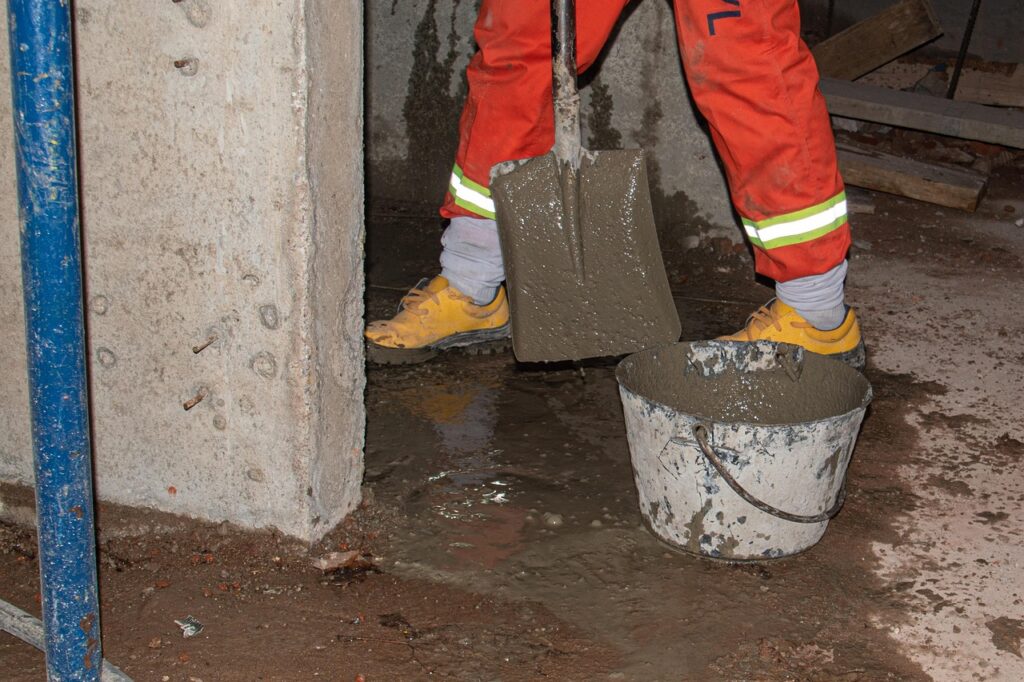
Why Does Contractor Waterproofing Matter before You Break Ground?
Contractor waterproofing is not a small trade you leave until finishes. It sits across the structure, drainage, material choice, site workmanship, and the risk the owner has to live with after handover. If you are buying waterproofing materials or checking suppliers for an overseas project, start with the real scope and drawings, not only the lowest square-meter price. For product and supplier support, you can review the Sourcing resources before you lock the specification.
Water Damage Moves Fast
The U.S. Environmental Protection Agency says wet or damp materials should be dried within 24 to 48 hours after a leak or spill to reduce the chance of mold growth. On a busy jobsite, that is not much time. A small balcony leak on Friday can turn into a Monday inspection issue if the substrate, insulation, or gypsum board stays wet. So the contractor is not just applying a membrane; the work is also about cutting off water paths before hidden materials take in moisture.
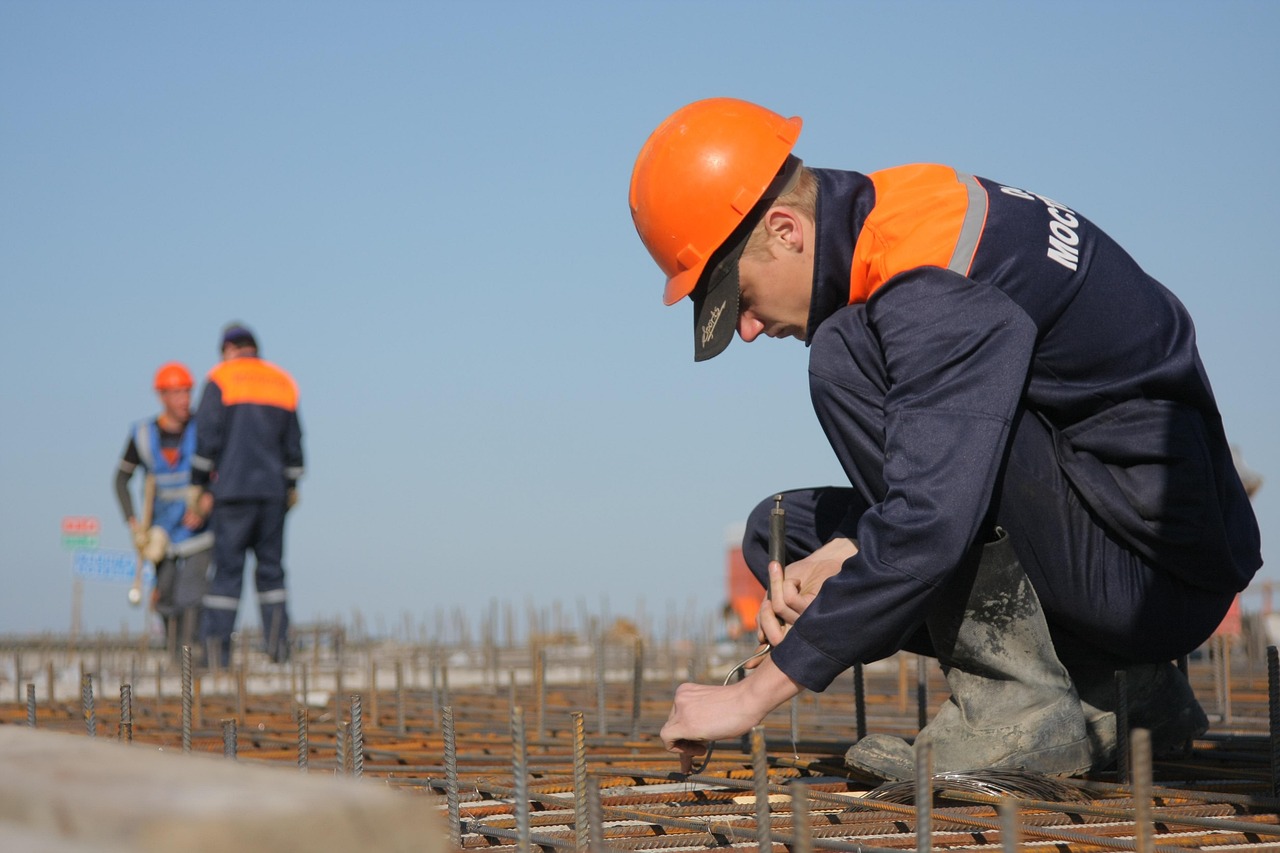
Damp Buildings Carry Real Health Risk
The World Health Organization’s 2009 indoor air quality guidelines report that damp and moldy buildings are linked with respiratory symptoms, cough, wheeze, and asthma aggravation. WHO also cites research showing roughly 30% to 50% increases in several respiratory and asthma-related outcomes in damp or moldy homes. For commercial buildings, schools, hotels, and apartments, waterproofing is part of user safety. It should not be treated as a repair item that can wait until after complaints start.
Waterproofing Affects Life Cycle Cost
A cheap waterproofing package may look acceptable on bid day, then cost far more once the building is open. Tear-out repairs can involve demolition, drying, new finishes, access equipment, and tenant coordination. Delay is often the cost people miss at the start. A leaking basement can slow MEP installation, and a failed podium deck can hold up landscaping and handover.
What Should You Check before Hiring a Waterproofing Contractor?
Before you compare brands or square-meter prices, check whether the contractor understands the risk in the building. A basement wall, a roof terrace, a bathroom floor, and a curtain wall joint do not fail in the same way. Good waterproofing contractors ask difficult questions early. In my experience, that is usually a better sign than a neat company profile.
Project Type and Risk Zone
Start with exposure. Is the work below grade, is there hydrostatic pressure, and will the roof carry people, planters, or vehicles? The 2024 International Building Code Section 1805 distinguishes dampproofing from waterproofing. Where hydrostatic pressure exists and no approved groundwater control system is used, walls and floors must be waterproofed. That one code point can change the material type, detailing, inspection level, and final cost.
Product Certificates and Method Statements
Ask for product data sheets, safety data sheets, test reports, primer requirements, coverage rates, curing times, and compatible accessories. The method statement should say what substrate condition is required, how corners are treated, what overlap width is used, how pipe penetrations are sealed, where the protection layer goes, and how repairs are handled. If the contractor only sends a brochure, you still do not know what the crew will do on the actual slab or wall. That gap often shows up later as a site argument.
Crew Experience and Site Supervision
Waterproofing is detail-heavy work. One bad cut at a floor drain can waste hundreds of square meters of good membrane. Check who will supervise the job, not only the company profile. For larger projects, ask for photos from similar jobs, inspection records, and a list of defects they usually watch for; a direct answer is worth more than a smooth sales line.
Which Waterproofing System Fits Your Building Best?
No single system fits every building. Cementitious coatings, bituminous sheets, PVC or TPO membranes, polyurethane liquid membranes, bentonite panels, crystalline admixtures, and sealants all have their place. The right choice depends on movement, water pressure, UV exposure, traffic, access, and how repairs can be done later. A product that works well on a roof may be the wrong choice against wet soil.
Below Grade Membranes for Hydrostatic Pressure
Below-grade work needs a system that can deal with wet soil for a long time. External positive-side membranes are usually preferred when access is available because they stop water before it reaches the structure. Drainage boards and perimeter drains are not optional details in many projects. Whole Building Design Guide moisture guidance stresses that water should be moved away from envelope surfaces through slope, drainage, and flashing, which in site language means you should not expect a membrane to fix bad grading.
Roof and Podium Deck Liquid Systems
Podium decks carry more risk because they bring together structure, waterproofing, insulation or topping layers, planters, pavers, and drains. Liquid-applied polyurethane or PMMA systems can suit complex shapes, but thickness control has to be checked during the work. Sheet membranes give factory-made thickness, yet seams and terminations still need skilled hands. NRCA waterproofing guidance for plaza decks treats drainage, membrane protection, and maintenance as core parts of performance, and many failures start when one of those items is treated as a small detail.
Wet Area and Facade Joint Protection
Bathrooms, kitchens, balconies, and facade joints need details that can handle movement. A rigid coating over a moving joint is only waiting to crack. Use reinforcing fabric at corners, compatible sealants at transitions, and correct slope to drains. For windows and curtain walls, ASTM E1105 is a recognized field test method for water penetration of installed exterior windows, skylights, doors, and curtain walls; if testing is done before interior finishes close, repair work is usually much easier.
How Should You Compare Contractor Waterproofing Quotes?
Waterproofing quotes can be hard to compare because each contractor may include a different scope. One price may cover primer, corner tape, protection board, flood testing, and cleanup, while another may only cover the membrane. Put the quotes on the same comparison sheet before you judge value. Otherwise, the lowest number may only be the shortest scope.
Scope Details Instead of Lump Sum Prices
Break the quote into surface preparation, primer, membrane, reinforcement, accessories, protection, testing, and warranty. Ask whether cracks, honeycombs, laitance removal, mortar fillets, and pipe sleeves are included. A low price that excludes substrate repair can turn into steady change orders. Nobody enjoys that meeting, especially when the schedule is already tight.
Material Brand, Thickness, and Coverage Rates
For liquid systems, wet film thickness and dry film thickness matter. For sheet systems, roll thickness, seam width, and termination bars matter. Ask for the planned consumption per square meter and compare it with the product data sheet. If the contractor’s coverage rate is far lower than the manufacturer’s range, the installed membrane may be too thin, even if the surface looks covered.
Warranty Terms Linked to Maintenance
A long warranty is useful only when the scope is clear. Does it cover material only, labor only, or both? Does it exclude ponding water, structural movement, puncture, chemical exposure, or blocked drains? Many failures are blamed on maintenance, so keep a simple plan for drains, joints, planters, and exposed membranes, then place it in the handover file.
What Quality Checks Should Happen on Site?
The best waterproofing plan still needs field checks. Weather, dust, rushed concrete repairs, and damage from other trades can ruin a good product. Set inspection hold points before work starts. This stops key details from being covered before anyone has seen them properly.
Substrate Moisture and Surface Prep
Check moisture limits, surface strength, cleanliness, corners, cracks, and slopes. Some membranes fail because vapor pressure pushes them off a damp slab, while others fail because dust works like a release layer. The contractor should record substrate checks with photos and dates. It sounds basic, but on a large site that record can save a long dispute later.
Mockups, Flood Tests, and Field Water Tests
Mockups are useful for balconies, bathrooms, podium drains, and facade transitions. Flood testing can find clear leaks in horizontal wet areas, as long as the structure can safely hold the test water. For walls, ASTM E2128 is a standard guide used to evaluate water leakage of building walls. The practical lesson is simple: find the water path, not only the stain, because water often enters at one point and appears somewhere else.
Drainage, Terminations, and Protection Boards
Many waterproofing failures start at edges. Termination bars, counterflashing, drain collars, upstands, and pipe sleeves need close inspection before they are hidden. Protection boards also matter before backfill because stones, rebar ends, and formwork debris can puncture a membrane. A perfect membrane damaged during backfill is still a failed assembly.
How Can International Buyers Avoid Sourcing Mistakes?
For importers, developers, and contractors buying from overseas suppliers, waterproofing has one more challenge: the product may be fine, but the jobsite use may be wrong. Match the material to local codes, climate, logistics, and installer skill before placing a bulk order. Waterproofing is not a product-only purchase. The site method decides a large part of the result.
Local Codes Still Control the Design
Always confirm local code needs before product selection. A membrane accepted in one market may need another test report, fire rating, VOC limit, or approval in another country. OSHA guidance on confined spaces also matters when workers apply coatings in pits, tanks, crawl spaces, or poorly ventilated areas. Solvent exposure and low ventilation are real site hazards, not paperwork for the file.
Documentation Makes Factory and Site Work Match
Ask the supplier for English product data, installation manuals, batch traceability, shelf-life details, and storage temperature limits. If the project has several subcontractors, use drawings with marked waterproofing zones and details. Do not rely on verbal instructions passed from office to site to crew. That chain breaks easily, and the mistake is hard to trace after the membrane is covered.
Logistics and Shelf Life Can Decide the Result
Some liquid membranes and primers are sensitive to heat, freezing, moisture, or long storage. Check container loading, pallet protection, and expected arrival dates before you book the shipment. If material arrives in summer and sits in a hot yard for three months, the original lab test does not mean much. Good sourcing includes a storage plan, not only a purchase order.
When Should You Repair, Replace, or Redesign Waterproofing?
A leak does not always mean the membrane itself is bad. It may come from a blocked drain, cracked concrete, failed sealant, missing flashing, poor slope, or a pipe penetration issue. The repair choice should follow the cause. Guesswork usually wastes time and opens more finished areas than needed.
Active Leaks Need Cause Finding
Do not start with surface patching unless the water path is clear. Trace stains, test nearby penetrations, check drainage, review drawings, and use targeted water tests where it is safe. A small cut-and-patch may solve a puncture, but a moving crack needs a flexible detail. If groundwater is the real problem, drainage work may be part of the repair.
Aging Membranes Need Planned Renewal
Exposed membranes age from UV, heat, foot traffic, and maintenance damage. Plan inspections around drains, laps, corners, and equipment supports. Replacement before full failure is usually cheaper than emergency repair after finishes, insulation, and tenant spaces are wet. It also gives the owner more control over access and timing.
Repeated Failures Point to Design Gaps
If the same area fails again and again, look past workmanship. The slope may be wrong, the drain may be undersized, the joint may move more than expected, or the system may never have suited hydrostatic pressure. At that point, redesign is not too much. It is often the proper fix.
FAQ
Q1: What Is the Difference between Dampproofing and Waterproofing? A: Dampproofing resists ground moisture where hydrostatic pressure is not expected. Waterproofing is a stronger barrier used where water pressure, occupied space, or code requirements demand it.
Q2: How Do You Know if a Waterproofing Contractor Is Reliable? A: Check similar project records, method statements, material approvals, crew supervision, inspection plans, and warranty terms. A reliable contractor explains the details before work starts.
Q3: Should You Choose Liquid Membrane or Sheet Membrane? A: Liquid membranes suit complex shapes and many penetrations, while sheet membranes offer factory-controlled thickness. The better choice depends on site conditions, movement, access, and installer skill.
Q4: Is Flood Testing Always Required? A: Not always. It is common for roofs, podiums, balconies, and wet rooms, but the structure must safely hold water. Vertical assemblies usually need other water test methods.
Q5: What Is the Most Common Waterproofing Mistake? A: The most common mistake is weak detailing at joints, drains, corners, penetrations, and terminations. Large flat areas are usually easier than the small details people walk past.


