Are Waterproof Exterior Wall Coatings the Best Defense against Wall Leaks?

Why Do Waterproof Exterior Wall Coatings Matter for Modern Building Facades?
Waterproof exterior wall coatings protect the wall face that takes sun, rain, wind, dust, and daily temperature changes first. A coating is not magic paint. It is a working surface layer that sheds rain, slows water absorption, covers small surface movement, and gives the wall a finish that is easier to wash and check.
Rain Intrusion Is a Building Envelope Problem
Most wall leaks do not start with a big failure. They usually start at hairline cracks, open joints, porous block, weak sill details, or old paint that has gone chalky. Once rain gets in, it can travel behind the finish and appear far from the first entry point. For that reason, coating choice should sit beside joint design, flashing, and drainage, not take their place.
Coatings Add a Protective Surface Layer
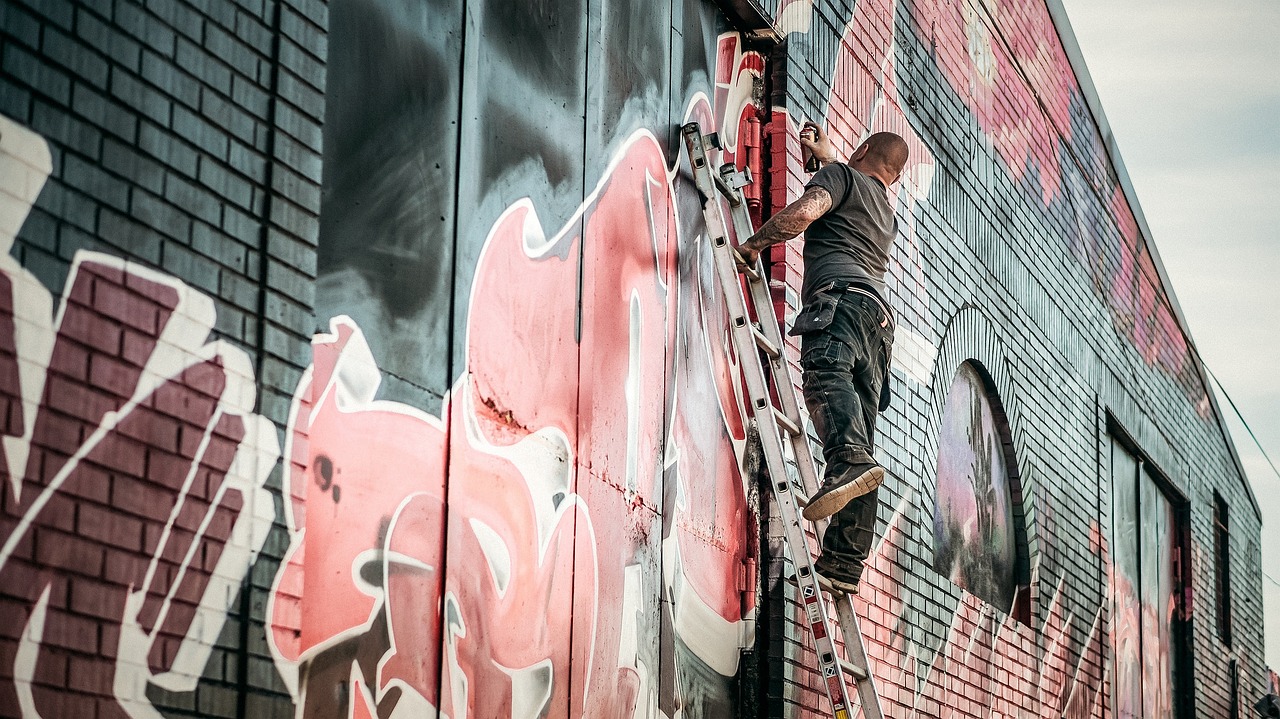
A waterproof coating can cut down the liquid water taken in by masonry, concrete, render, or stucco. On a warehouse wall, for example, that can mean less staining below parapets and fewer damp marks near window heads after heavy rain. The coating still has to suit the wall. A dense concrete wall, a soft lime render, and a painted block wall do not need the same film.
Dry Walls Support Healthier Interiors
Moisture control also matters inside the building. EPA mold guidance says indoor relative humidity above 60 percent can lead to condensation and mold risk, while 30 to 50 percent is preferred where possible. Exterior waterproofing will not control indoor humidity on its own, but it can reduce one common moisture source, which is rain entering through the facade. (epa.gov)
Which Coating Type Fits Your Exterior Wall Substrate?
The right system starts with the wall already on site. Before choosing a coating, check whether the surface is mineral, previously painted, cracked, soft, salty, or exposed to strong wind-driven rain. A product that performs well on dense concrete may fail on dusty render if the surface is not strengthened first.
Acrylic Elastomeric Systems for Hairline Cracks
Acrylic elastomeric coatings are common on stucco, render, concrete, and masonry because they form a flexible film. They are often used on walls with small non-structural cracks and normal thermal movement. Ask for crack-bridging, elongation, adhesion, and weathering data, not only a clean brochure. If a crack is active or wide, repair it first with a proper filler or sealant system.
Silane and Siloxane Sealers for Mineral Walls
Silane and siloxane sealers are often used when the wall needs to keep its mineral look. They soak into porous masonry and reduce water uptake without leaving a thick colored film. This can work well on brick, stone, and architectural concrete. They will not hide stains or bridge cracks, so they should be used on sound surfaces with good pointing and clean details.
Cementitious and Polyurethane Options for Severe Exposure
Cementitious coatings are familiar on concrete and masonry where a mineral finish is needed. Polyurethane and other resin systems may be selected for high-movement or high-exposure areas, but they need closer surface preparation and careful detailing. In coastal or industrial locations, confirm resistance to salt, UV, and pollutants before approval. The cheapest pail on the shelf is rarely cheap after scaffolding has to go up a second time.
What Performance Data Should You Check Before Buying?
Product names can sound close, but performance can be very different. A proper specification should ask for test data, substrate compatibility, primer requirements, dry film thickness, recoating window, and maintenance guidance. The point is simple: the coating must stop liquid water while still fitting the way the wall dries.
Wind-Driven Rain Resistance
For masonry coatings, ASTM D6904 is a useful reference because it is made to test resistance to wind-driven rain on masonry. The ASTM summary says the practice simulates continuous water spray with dynamic pressure equal to a 98 mph wind velocity, then checks for leaks or weight gain. For exposed facades, that gives the buyer and contractor a clear benchmark. (store.astm.org)
Vapor Permeance and Drying Ability
Waterproof does not always mean vapor closed. Some walls still need outward drying, especially older masonry or assemblies with moisture-sensitive layers inside. WBDG notes that ordinary exterior paint systems at about 1 to 3 mil dry-film thickness, such as commercial latex paints, can range around 5 to 10 perms, while vapor-retarder choices can be much lower. Ask for the coating’s tested perm value instead of guessing from the product name. (legacy.wbdg.org)
Adhesion Elongation and Crack Bridging
Adhesion keeps the coating on the wall. Elongation lets it move with small changes in the surface. Crack bridging helps it span minor defects. These three items have to work together. A very flexible film with poor adhesion will peel, while a hard tight film may crack again when the wall heats at noon and cools at night. For large projects, ask for a site mockup and pull-off adhesion checks before full application.
How Should You Prepare the Wall Before Application?
Preparation decides the job more than many people want to admit. Good coating over a dirty, wet, weak, or salty wall can fail early. Inspect the wall in daylight and, if possible, after rain, because damp paths are easier to trace then. That small timing choice often prevents arguments later.
Moisture Source Repair Comes First
Do not coat over active leaks. Fix open joints, failed sealant, missing caps, bad gutters, cracked parapets, and loose render before coating work starts. If water enters from the roof edge or a window frame, a wall coating can trap moisture behind the film. The result may be blistering, efflorescence, or peeling. It may look like a coating problem, but the real issue is water coming from somewhere else.
Cleaning and Surface Profiling
Remove dust, chalking paint, oil, algae, loose mortar, and old flaking coatings. Pressure washing can help, but too much pressure can damage soft render and push water into cracks. Let the wall dry to the coating maker’s limit before priming. On concrete, laitance and curing compounds may need mechanical preparation. On masonry, salt deposits should be treated instead of simply painted over.
Primers and Mockups
Primers are not decorative extras. They bind weak surfaces, reduce uneven suction, and help the finish coat grip. A mockup also shows texture, color, coverage, and how the coating behaves around corners and sealant joints. For a hotel, school, or commercial block, a one-day mockup costs much less than changing the color after three elevations are finished. See also: Membranes.
How Do Climate and Wall Design Change the Specification?
Climate changes the direction and amount of moisture drive. A hot humid coast, a cold inland city, and a dry dusty zone do not need the same approach. Building Science Corporation notes that good design controls wetting from both exterior and interior sides, and different climates need different approaches. On site, that means real choices about permeability, drainage, and insulation. (buildingscience.com)
Hot Humid Coastal Facades
Coastal walls deal with rain, salt, high humidity, and strong UV. Choose coatings with good water repellency, UV stability, and resistance to salt contamination. Breathability still matters because trapped moisture can blister under hard sun. Details at balcony slabs, parapets, and window heads need extra care, as these are often the first places inspectors find brown staining.
Cold and Mixed Climate Walls
In cold or mixed climates, vapor control needs closer checking. A low-perm coating on the outside of a framed wall can slow outward drying if the wall also has an interior vapor retarder. Masonry can also hold water, then freeze and spall. Before specifying a dense waterproof film, check the full wall assembly, insulation position, and winter drying path.
High Rise and Exposed Sites
High-rise walls take stronger wind pressure and more rain impact than sheltered low buildings. Use products tested for wind-driven rain and check joints, movement cracks, anchors, signage penetrations, and mechanical openings. Coating crews also need safe access and steady wet edge control. A patchy facade at height is not only a visual problem; it is costly to correct.
What Mistakes Cause Waterproof Coatings to Fail Early?
Most failures are predictable. They usually come from rushing, skipping checks, or treating a coating as the whole waterproofing system. The 2024 International Building Code chapter on exterior walls requires water-resistive barriers and flashing to be detailed so moisture is stopped or redirected to drainage paths. That code logic still applies even when the finish coat is good. (codes.iccsafe.org)
Coating Over Active Leaks
This is the common mistake. A coating can resist rain hitting the wall face, but it cannot repair a failed roof edge, a cracked coping, or a window sill sloping the wrong way. Always trace moisture marks upward and sideways before approving coating work. Water can enter at a parapet cap and show up two rooms below, which is why leak tracing matters.
Ignoring Dry Film Thickness
Waterproof coatings are designed to work at a target dry film thickness. If the crew spreads the material too thin to cover more area, crack bridging and water resistance drop. If the coating is too thick in one pass, it may skin over and trap moisture. Use wet film gauges during application, and record coverage by pail count and wall area.
Skipping Joints Penetrations and Flashing
Flat wall areas are usually the easy part. Problems start at corners, pipe sleeves, downpipe brackets, window frames, expansion joints, and facade-mounted equipment. Sealant must be compatible with the coating, and movement joints should stay flexible. If a detail needs backer rod, primer, or reinforcing mesh, include it. Paint alone should not be asked to do a sealant’s job.
FAQ
Q1: Are Waterproof Exterior Wall Coatings the Same as Exterior Paint? A: No. Exterior paint mainly provides color and basic weather protection. Waterproof exterior wall coatings are specified for higher water resistance, crack bridging, and facade protection, depending on the product type and test data.
Q2: Can You Apply a Waterproof Coating over Old Paint? A: Sometimes, but only if the old paint is sound, clean, well bonded, and compatible. Loose, chalky, glossy, or unknown coatings may need removal, sanding, or a bonding primer before the new system is applied.
Q3: Should a Waterproof Wall Coating Be Breathable? A: In many wall assemblies, yes. The coating should resist liquid water but still allow safe drying where the wall design needs it. Always check the tested vapor permeance and the full wall assembly.
Q4: How Many Coats Are Usually Needed? A: Many systems use a primer and two finish coats, but the real requirement is the maker’s specified dry film thickness. Number of coats, roller type, dilution, and surface roughness all affect final coverage.
Q5: What Is the Best Way to Specify a Coating for a Commercial Project? A: Start with the substrate and climate, then require test data, primer details, crack repair methods, mockups, wet film checks, and maintenance guidance. A clear specification prevents guesswork on site.