
Are Waterproof Coatings for Wood Worth It for Exterior Projects?
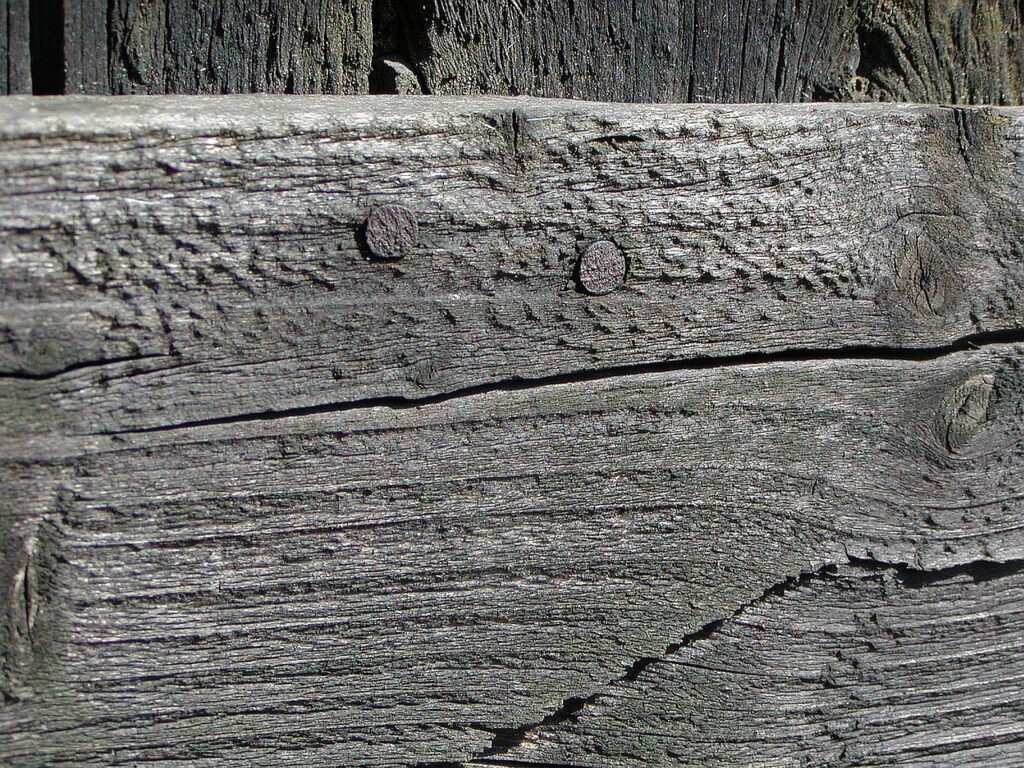
If you handle decks, cladding, fences, garden structures, or outdoor furniture, waterproof coatings for wood can slow rain absorption, reduce swelling, and help the surface stay cleaner. The word slow is important here. Wood is still wood. It moves, checks, takes in vapor, and reacts to sunlight. A coating is one part of the protection work, not a cure for every outdoor wood problem.
Liquid Water Control
The main job is to make liquid water bead, run off, or enter the wood more slowly. This matters on exterior jobs because repeated wetting and drying can lead to cupping, raised grain, cracks, and open joints.
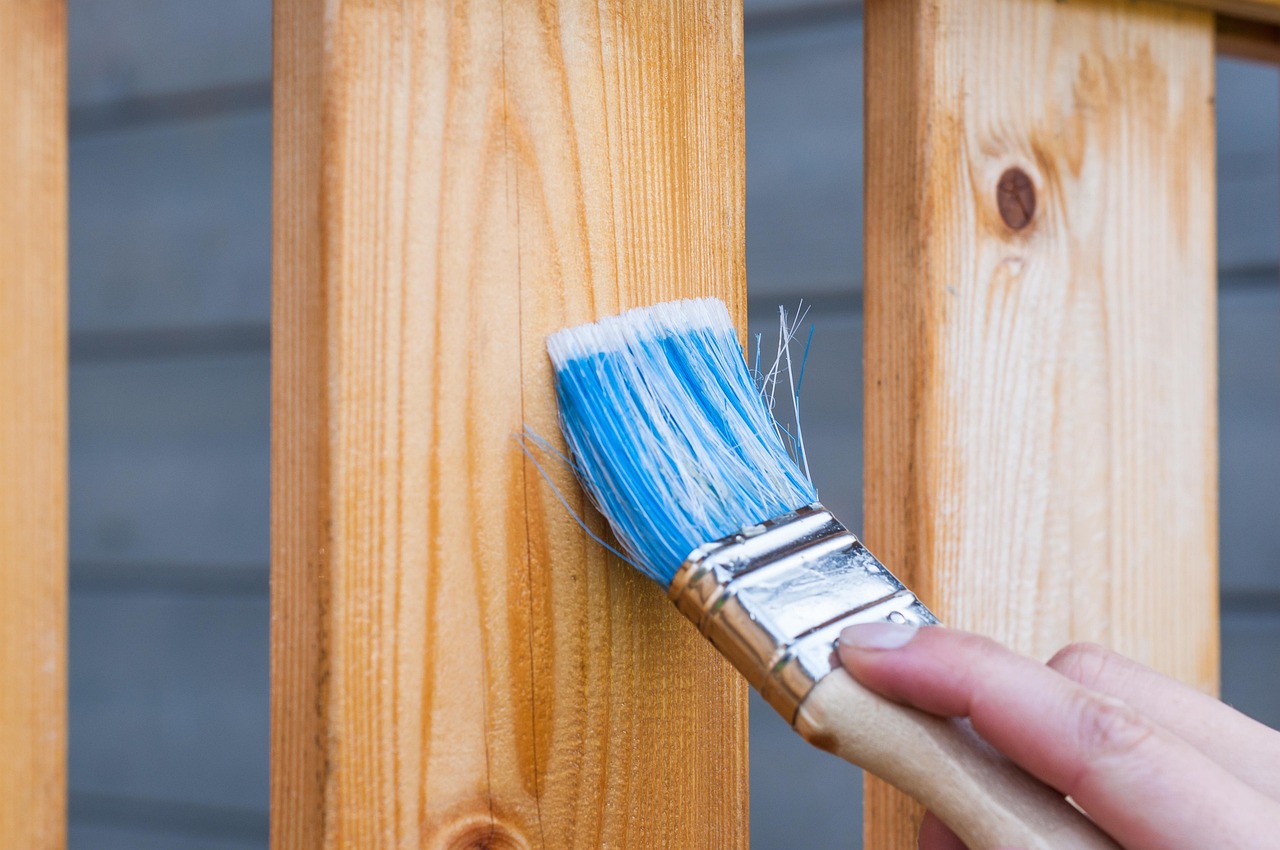
On a deck board, the top face may dry soon after rain, while the underside stays damp for longer. That uneven moisture cycle is one common reason boards twist as the project ages.
Sun and Traffic Still Matter
Many buyers hear waterproof and expect a long service life, but sunlight and abrasion often wear a coating before water is the only issue. A handrail in open sun, a stair tread used with sandy shoes, and a table kept near sprinklers will not age the same way.
The Canadian Wood Council reports that deck stains often last 1 to 2 years on deck boards, 2 to 5 years on nonwear areas, and basic water repellents often last 6 to 12 months. (old.cwc.ca)
Coatings Are Not a Structural Repair
If a joist is soft, a post is dark at soil line, or plywood edges have delaminated, a coating will not bring the strength back. Replace failed parts first, then coat the sound wood around them.
Coatings help sound wood stay drier. They do not rebuild wood fiber already damaged by decay.
How Do Waterproof Coatings for Wood Actually Work?
Most wood coatings protect in one of two ways. Some soak into the surface and repel water inside the top fiber layer. Others form a film on top. Both types are used in outdoor work, but the wrong choice can leave a deck sticky, flaky, or uneven after one season.
Penetrating Water Repellents
Penetrating repellents usually fit decks, fences, pergolas, and rough sawn wood. They tend to wear down by fading instead of peeling, which makes future maintenance less troublesome.
In many cases, the work is cleaning and recoating, not stripping heavy layers. The trade-off is shorter life, mainly on horizontal boards that see sun, rain, leaf tannins, and foot traffic.
Film Forming Coats
Paints, varnishes, and some clear urethane systems build a visible layer on the surface. They can look clean on doors, trim, and furniture, but they need a stable base and careful edge coverage.
On a flat deck, thick film systems often struggle. Water can enter through scratches, screw holes, or board checks, and then it pushes against the coating from below.
Pigment and UV Defense
Clear finishes show the grain, which is one reason people use them on cedar benches and hardwood tabletops. The weak point is that clear systems usually give less UV protection than pigmented stains or paint.
A small amount of pigment can make a real difference because it blocks part of the sunlight hitting the wood surface. The color is not only a design choice; it also helps protect the fibers.
Which Type Should You Choose for Decks, Siding, and Furniture?
Start with the use condition, not only the product label. A coating that performs on vertical siding may fail fast on stair treads. A furniture finish that feels smooth on a chair arm may be too slippery for walking surfaces. For export projects, this point matters because buyers may apply the same product in different climates and job conditions.
Deck Boards Need Breathable Wear Resistance
For decks, a penetrating semi transparent stain or water repellent stain is often the workable choice. It deals with abrasion better than a brittle clear film and is easier to refresh when the surface starts to dry out.
Check slip resistance, wet film build limits, and instructions for pressure treated lumber. If boards are new and treated, moisture readings still matter before coating.
Siding Benefits from Full Coverage
Siding, fascia, soffits, and exterior trim can last longer when primer plus paint or stain is applied to all accessible sides. Back priming helps when boards may take in rain from the rear face.
The top rail below a leaky gutter is a small detail, but it is often where paint blisters first. Small wet spots like that tell you a lot about the real exposure on the building.
Furniture Needs Touch Friendly Finish
Outdoor furniture needs water resistance, but it also needs a surface people do not mind touching. For benches, chairs, and tables, use coatings with good block resistance so parts do not stick together in heat.
For food serving surfaces, confirm the product is suitable after full cure. Follow the maker’s cure time, not only the dry to touch time.
- Use penetrating stains for most deck and fence work.
- Use paint systems for exterior trim where color hiding is wanted.
- Use flexible clear or tinted systems for furniture when grain appearance matters.
What Should You Check Before Application?
Prep work decides much of the result. It is not the part people enjoy, and sanding a long fence is rarely anyone’s preferred job. Even so, poor prep can turn a costly coating into a short term cover. The surface must be clean, dry enough, and open enough for the coating type.
Moisture Content Below the Risk Zone
The USDA Forest Products Laboratory states in its Wood Handbook biodeterioration chapter that serious decay occurs when wood moisture is above the fiber saturation point, about 30 percent on average. It also says air dried wood at or below 20 percent gives a reasonable safety margin against fungal damage.
For coating work, a handheld moisture meter is a practical site check. When exact measurement is needed, ASTM D4442 identifies direct moisture content test methods for wood and wood based materials. (research.fs.usda.gov) (store.astm.org)
Clean and Fresh Surface
Remove mill glaze, gray weathered fiber, dirt, loose coating, mildew staining, and sanding dust before application. Coating over weak surface fiber is one of the common reasons exterior wood jobs fail early. See also: Membranes.
The Canadian Wood Council notes a clear difference in paint performance between fresh and weathered wood, including research where boards painted with no weather exposure lasted at least 20 years, while boards weathered 16 weeks before painting began showing cracks in about 3 years. That is a direct warning against coating sun damaged fiber. (old.cwc.ca)
End Grain and Back Sides
End grain absorbs water fast. It can pull in water faster than face grain, mainly on cuts, checks, and exposed board ends.
Seal cut ends, coat joints before assembly when the job allows it, and check the bottom of doors, stair stringer cuts, and post tops. Small uncoated edges often become the first place where failure starts.
How Long Will a Waterproof Wood Coating Last?
Service life depends on exposure, wood species, color, surface texture, coating thickness, and maintenance. A shaded vertical wall in a mild climate is an easier case. A south facing deck by a pool is a harder one. Use published ranges for planning, then adjust for the jobsite in front of you.
Deck Stains Often Need Early Maintenance
Plan an inspection after the first full weather cycle. If water no longer beads, color has faded badly, or high traffic lanes look dry, schedule a wash and maintenance coat.
Waiting until bare gray wood appears makes the next job harder and more expensive. Early maintenance usually saves labor later.
Water Repellents Need Seasonal Checks
Clear water repellents are easy to use, but they are not long life products. Their value is low film build and simple renewal.
In rainy or high UV locations, a six month check is sensible. A quick splash test can show the condition well: if water darkens the wood quickly instead of beading, the surface needs attention.
Paint Systems Last Longer When Wood Starts Fresh
Paint can give longer protection on vertical wood, especially when primer, topcoat, back priming, and edge sealing are done properly. The downside is that paint failure is easy to see.
Once it cracks and peels, water can sit behind the film. At that point, spot sanding, feathering edges, and repainting are needed before the failure spreads.
What Mistakes Cause Peeling, Blushing, or Rot?
Most coating failures are not hard to trace. They usually come from wet wood, trapped vapor, dirty surfaces, the wrong use category, or local rules being missed. A product may be suitable in general, but it still needs the right substrate and the right exposure rating.
Sealing Wet Wood
Wet boards can look dry on the face while the core still holds moisture. If you seal too early, that moisture may leave as vapor and cause blisters, cloudy spots, or poor bond.
This is common with pressure treated decking, thick hardwoods, and boards stored uncovered at a jobsite. A moisture reading is safer than judging by color or touch.
Coating Ground Contact Timber Wrong
A coating is not a replacement for preservative treated wood in ground contact. The American Wood Protection Association Use Category System, introduced in 1999, classifies treated wood by biodeterioration hazard and expected service conditions.
For posts, sleepers, and parts near soil or frequent wetting, select the correct treated wood first. Then use the coating for extra water shedding and appearance. (awpa.com)
Ignoring VOC and Local Rules
VOC limits can change what may be sold or specified in a market. The U.S. EPA architectural coatings guide defines waterproofing sealers and treatments as coatings for porous substrates with the main purpose of preventing water penetration.
The same guide lists a federal VOC limit of 600 g/L for that category, while some state rules may be lower. For export or private label projects, check the destination market before packaging claims are printed. (epa.gov)
FAQ
Q1: Can waterproof coatings for wood stop rot completely? A: No. They reduce liquid water uptake, but rot control also needs dry design, correct treated wood where needed, drainage, ventilation, and regular maintenance.
Q2: Should you use clear or tinted coating on exterior wood? A: Use clear coatings when natural grain is the top priority. Choose tinted or pigmented coatings when longer UV protection matters more.
Q3: Can you coat pressure treated wood right away? A: Only if it is dry enough for the coating maker’s limit. Fresh pressure treated boards often need drying time, so a moisture meter reading is safer than guessing.
Q4: Why does a deck coating peel after one year? A: Common causes include wet wood, poor cleaning, too much film build, coating over gray weathered fiber, or using a film type product on a heavy wear deck surface.
Q5: What is the best maintenance habit for coated exterior wood? A: Wash gently, check water beading, fix open joints, and recoat before the surface reaches full failure. Early maintenance is much easier than stripping.


