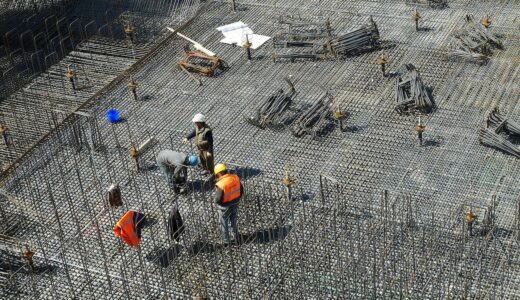
Is a Crack in Basement Floor Serious or Safe to Repair?
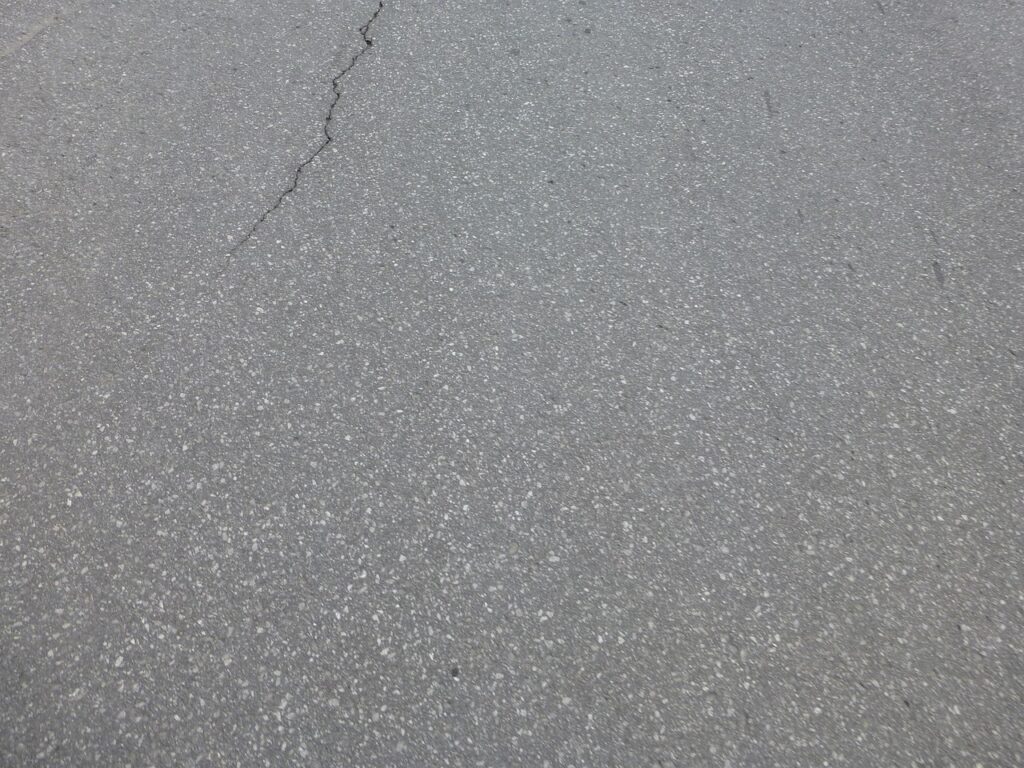
Is a Crack in Basement Floor Always a Structural Problem?
A crack in basement floor concrete can look bad because it is at the lowest part of the house. Water, soil pressure, and indoor air concerns often show up there first. Some slab cracks are normal, while some need quick checking. For contractors working on residential foundations, waterproofing, flooring, or renovation jobs, the wider construction applications around basement repair help show when a simple filler is enough and when the full system needs work.
Concrete handles compression well, but it still changes after placement. It shrinks while curing, reacts to moisture, and moves a little when the soil below it moves. The point is not to panic over every thin line. It is better to read the crack by width, pattern, water, level change, slab age, and what happens after heavy rain.
Hairline Shrinkage Cracks Are Often Non-Structural
A thin, random crack that shows up soon after the slab was poured is often tied to drying shrinkage. The American Concrete Institute has long listed shrinkage and restraint as common causes of cracks in concrete. In a basement slab, this may be a narrow line across the floor, with both sides still flat and level. If the crack is dry, not getting wider, and not linked with wall movement, it is usually not a structural emergency.
Wide or Uneven Cracks Need Closer Checks
A crack needs more attention when one side is higher than the other, the opening keeps growing, or the line runs into a wall or footing area. On site, a simple method is to mark both crack ends with a pencil and write the date beside the marks. Check it again after 30 days and after the next hard rain. A little seasonal change can happen, but clear growth usually points to soil, drainage, or settlement trouble.
Water Changes the Meaning of the Crack
If water seeps through the crack, the slab may not be the main problem. North Dakota State University Extension noted in a 2023 reviewed basement seepage guide that water can enter through floor cracks when a drainage envelope is missing or not working. This matters because patching only the line you see may leave pressure below the floor. The water will look for another weak spot, often near the wall-floor joint.
What Causes Basement Floor Cracks in Real Homes?
Most basement slab cracks come from a few common site conditions. Sometimes one cause is enough, and sometimes two or three happen together. A five-year-old house with short downspouts may crack for a different reason than a sixty-year-old house on clay soil, but both can show a similar line across the slab. That is why a site check is better than guessing.
Concrete Shrinkage During Curing
Fresh concrete contains water. As it cures and dries, it loses part of that volume. When the slab is held back by walls, plumbing penetrations, columns, or a rough base, tensile stress builds and the concrete cracks. Saw-cut control joints are used in many slabs to guide cracking, but basement slabs are not always jointed cleanly. A crack may run toward a floor drain, a corner, or a pipe sleeve because those spots create easier paths.
Soil Movement Below the Slab
The ground under a basement floor is not always still. Clay soils can swell when wet and shrink when dry. The U.S. Geological Survey has published work on expansive soils and related damage to structures in the United States, and the American Society of Civil Engineers has also recognized expansive soil as a major source of damage in residential construction. In jobsite language, soil that keeps changing volume can lift or drop parts of the slab.
Poor Drainage Around the Foundation
Water outside the house can become water below the basement floor. Short downspouts, clogged gutters, flat grading, and settled backfill can all push water toward the foundation. NDSU Extension recommends sloping soil away from the house and extending downspouts several feet from the foundation. It is basic work, but many wet basement cracks start because this outside work was missed.
When Should You Worry About a Basement Floor Crack?
You do not need an engineer for every line in the slab. Still, some cracks should be checked by a qualified person. The warning signs below come from normal construction inspection practice, not from scare talk.
The Crack Is Wider Than a Simple Hairline
Very narrow cracks can often be sealed for dust and moisture control. Wider openings need more care, especially when the width changes along the crack. As a rough field guide, many inspectors track cracks around 1/8 inch and larger, and cracks near 1/4 inch or more are stronger candidates for evaluation. Local standards can differ, so treat this as a working reference, not a legal rule.
The Floor Has Lifted or Settled
Run a straightedge across the crack. If one side is clearly raised, you may be looking at heave, settlement, or slab curling. Even a small lip can become a trip hazard. A larger step can affect flooring, partition walls, doors, and basement finishes. In finished basements, the first sign may be a vinyl plank seam opening, a tile cracking, or a door starting to rub.
The Crack Leaks After Rain
A dry crack is one situation. A leaking crack is another. Water after rain suggests hydrostatic pressure, a high water table, a blocked drain tile, or poor exterior drainage. The Federal Emergency Management Agency has warned in flood and retrofitting guidance that seepage and flood duration can raise damage risk in homes. For a basement floor crack, repeated wetting means the repair should deal with the water source and pressure, not just the concrete surface.
How Can You Diagnose the Crack Before Repair?
A careful first check can save money. Before choosing epoxy, polyurethane, hydraulic cement, or a full drainage repair, collect simple facts from the site. Take photos, measure the crack, and look outside after rain. One slow walk around the house often tells you more than a quick patch with a caulk gun.
Measure Width, Length, and Level Change
Use a ruler, feeler gauge, or crack card if you have one. Record the widest point, total length, and any vertical offset. Note whether the crack is straight, branching, circular, or running between stress points. A single stable hairline line is handled differently from a network of cracks that looks like a dry lake bed.
Check Moisture Patterns and Odors
Tape a clear plastic square to the slab for 24 to 48 hours. If moisture beads under the plastic, vapor may be coming up through the slab. If the top surface gets wet, basement humidity may be condensing on the cool concrete. The U.S. Environmental Protection Agency has stated in mold guidance that moisture control is the way to control indoor mold growth. A musty basement is more than a smell; it is a reason to find the water source.
Review Exterior Drainage First
Walk the outside of the house after rain. Look for ponding water, mulch packed against siding, missing splash blocks, sunken soil near the wall, or downspouts ending too close to the house. This work is not fancy, but it is often the cheapest fix. If exterior water keeps feeding the foundation, even a neat interior patch may fail.
What Is the Best Way to Repair a Crack in Basement Floor?
The best repair depends on what the crack is doing. A dry cosmetic crack, a vapor path, and an active water leak should not be treated the same way. Good repair is not about buying the hardest product. It is about matching the material and method to the real problem.
Seal Stable Dry Cracks With Rigid Materials
For a stable dry crack, a concrete repair filler or epoxy can close the gap, cut down dust, and leave a cleaner surface for coatings or flooring. Clean the crack before filling it. Loose concrete, paint, oil, and old patch material should be removed. If the floor will receive tile or resin flooring, surface preparation matters as much as the filler itself. See also: Membranes.
Use Flexible Sealants for Small Movement
If the crack shows minor seasonal movement, a flexible polyurethane or similar sealant may work better than a hard patch. Concrete moves a little, and a rigid filler can break loose if that movement continues. Flexible materials are also useful around some pipe penetrations and saw-cut joints. Check the product limits before use because some sealants can handle damp concrete, while others need a dry surface.
Fix Drainage When Water Pressure Is Present
If water is entering through the crack, filling it from the top may only hide the symptom for a while. Interior drain tile, sump pump work, exterior grading, gutter repair, or foundation waterproofing may be needed. The International Residential Code has included requirements for vapor retarders below concrete floor slabs, including 6-mil polyethylene in many residential slab conditions. Older homes may not have that protection, so water and vapor control can become part of the repair plan.
How Can You Prevent New Cracks After Repair?
Prevention is never perfect because concrete can still crack. Even so, you can lower the chance of new wet cracks, flooring trouble, and repeat repairs. Treat the basement as a small system where concrete, soil, water, air, and finishes all affect each other.
Control Roof Water and Surface Water
Keep gutters clear. Extend downspouts away from the foundation. Regrade soil so it falls away from the house. NDSU Extension has recommended a slope of about 1 inch per foot away from the house in basement moisture guidance. That small slope helps reduce water sitting against foundation walls after storms.
Keep Indoor Moisture in a Safe Range
Basements often stay cooler than upper floors, so moisture can condense on slabs and walls. Use a dehumidifier when needed, especially during humid months. Avoid carpet directly over a slab that has not been checked. EPA remodeling guidance notes that moisture under flooring can be hard to dry and may lead to mold or damage. For finished basements, moisture testing before flooring is not an extra sales item; it is a practical step.
Test Radon When Cracks Are Open
Floor cracks can be one of several paths for soil gases. The EPA estimates that radon causes about 21,000 lung cancer deaths each year in the United States and recommends fixing homes at or above 4 pCi/L. Sealing cracks alone is not a full radon mitigation plan. Still, an open crack in a basement floor is a good reminder to test the lowest lived-in level and get a real number.
Should You Repair It Yourself or Call a Professional?
Some basement floor crack repairs are fair DIY jobs. Others need a waterproofing contractor, structural engineer, or foundation specialist. The dividing line is usually movement, water, and the risk to finishes or people using the space.
DIY Fits Stable Cosmetic Cracks
You can often handle a narrow, dry, stable crack with cleaning, patching, and monitoring. This is common in storage rooms, utility spaces, and unfinished basements. Wear eye protection when grinding or brushing concrete, and vacuum the dust well. Do not trap moisture below a new coating without testing the slab first.
Specialists Fit Active Leaks or Movement
Call a professional if the crack leaks again and again, spreads, has vertical offset, connects with wall cracks, or shows up with sticking doors and sloped floors. Also ask for help before finishing a basement if moisture is active. Fixing water before drywall and flooring is usually cheaper than tearing out finished work six months later. Nobody wants that call from the homeowner.
Documentation Helps Every Repair Decision
Keep photos, dates, measurements, rainfall notes, and repair product labels. If you sell the home later, this record shows that the crack was watched and managed. If the crack grows, the record helps a contractor understand the timeline. Clear notes are better than trying to remember what happened months later.
FAQ
Q1: Is a Hairline Crack in Basement Floor Concrete Normal? A: Yes. Many hairline cracks come from concrete shrinkage during curing. If the crack is dry, level, and not growing, it is often a maintenance issue rather than a structural failure.
Q2: Can Water Come Up Through a Crack in Basement Floor Concrete? A: Yes. When the water table rises or drainage fails, water can enter through floor cracks and the wall-floor joint. In that case, drainage repair can matter more than surface patching.
Q3: Should You Seal a Basement Floor Crack Before Installing Flooring? A: Usually yes, but test moisture first. A sealed crack under vinyl, tile, carpet, or epoxy can still cause trouble if vapor pressure or seepage remains below the slab.
Q4: Does a Basement Floor Crack Mean Foundation Settlement? A: Not always. Shrinkage cracks are common. Settlement is more likely when the floor is uneven, the crack widens over time, or wall cracks and sticking doors appear too.
Q5: What Is the Safest First Step After Finding a Crack? A: Measure it, photograph it, check for water after rain, and inspect exterior drainage. If the crack leaks, moves, or creates a raised edge, ask a qualified foundation or waterproofing professional to inspect it.