
Is DRYLOK Extreme Masonry Waterproofer Worth It for Basement Walls?
Is DRYLOK Extreme Masonry Waterproofer the Right Coating for Your Masonry Wall?
When buyers compare basement and masonry coatings, DRYLOK Extreme Masonry Waterproofer often ends up on the list because it is made for porous concrete and masonry, not ordinary drywall or trim. It should not be treated as white paint in a heavy can. This is a latex-based waterproofer that is meant to bond into masonry pores, slow moisture movement, and leave a flat finish that looks tidy enough for a laundry room, workshop, storage room, or exposed foundation wall.
The useful question is not only whether the product sells well. The more important point is whether the wall is ready for it. A coating can help a sound block wall that gets damp or has light seepage, but it cannot fix a bowed foundation, missing drainage, or weak mortar. Many failed basement coating jobs start with that mistake.
Best-Fit Substrates
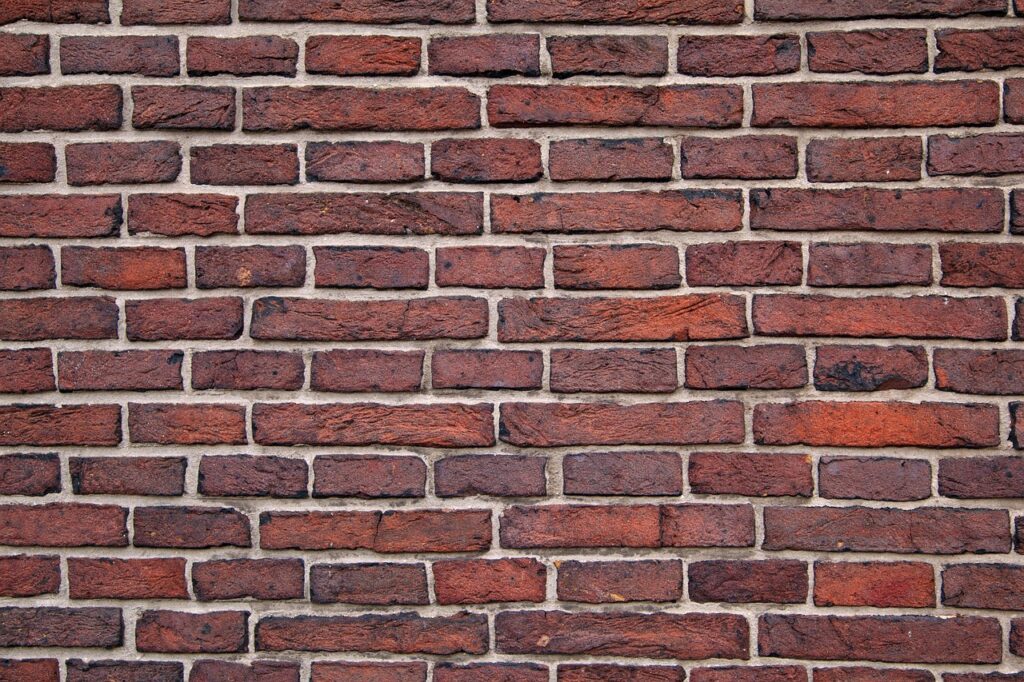
DRYLOK Extreme is made for bare masonry surfaces such as concrete block, cinder block, brick, stucco, and poured concrete. The official product data sheet dated November 2025 also lists bare concrete swimming pools among approved uses. For a normal basement, the better surface is a stable and porous wall that can take in the first coat. If the wall is glossy, dusty, or sealed by old paint, the product has less chance to work as intended.
Waterproofing Claims That Matter
The main published number to check is the hydrostatic pressure rating. The November 2025 DRYLOK Extreme Product Data Sheet reports resistance to 15 PSI under ASTM D-7088, which the manufacturer describes as equal to a 33-foot wall of water. It also reports Category 4 wind-driven rain resistance at 140 MPH under ASTM D-6904. These figures give contractors and buyers a clear point of comparison when looking at masonry waterproofers.
Situations That Need More Than Paint
If water is running through the wall-floor joint, if the wall has stair-step cracks, or if block faces are badly spalling, those problems should be repaired before coating. DRYLOK Extreme can be part of the repair plan, but it should not be used to hide a bigger failure. A clean-looking basement wall is not always a good wall. Sometimes it only looks clean because salts, dust, and loose old coating were painted over years ago.
How Does It Handle Water Pressure and Wind-Driven Rain?
Water pressure is why masonry waterproofing is not the same as decorative wall paint. Below-grade walls can see pressure from wet soil after rain, poor grading, blocked gutters, or a high water table. Above-grade masonry can also take wind-driven rain on the face. DRYLOK Extreme is sold for interior and exterior, above-grade and below-grade masonry, but its value depends on where the moisture is coming from.
15 PSI Hydrostatic Resistance
A 15 PSI rating is a useful number for this coating type. It means the product has been tested against pressure, not only against a damp surface. Still, PSI is a lab result. On real walls, you also have cold joints, hairline cracks, mortar gaps, pipe penetrations, and the floor-wall joint where a small water path may already exist.
Category 4 Wind-Driven Rain Testing
For exterior masonry, the Category 4 wind-driven rain claim matters because wind can push rain into porous brick, block, or stucco. The published 140 MPH figure comes from manufacturer testing under ASTM D-6904. In plain site terms, that means DRYLOK Extreme can be useful for more than basements. It may also fit exposed retaining walls, garage block walls, and masonry surfaces that get hit by rain from the side.
Real Basement Meaning
In a basement, the coating performs best when water pressure is not extreme and the wall is structurally sound. If water keeps building up outside the foundation after every storm, the coating is being asked to do work that drainage should handle. The U.S. EPA Mold Course, updated December 1, 2025, also points to foundation drainage and slope away from the building as key moisture-control steps. That advice is not exciting, but it keeps coatings from being blamed for problems outside their role.
What Surface Preparation Makes or Breaks the Result?
Most complaints about masonry waterproofers come back to preparation. The coating needs direct contact with the masonry pores. Dirt, grease, peeling paint, dust, and efflorescence all stand in the way. On block walls, prep work can take longer than the painting itself, especially on the lower courses where dampness and salts often collect.
Clean Bare Masonry
Start by removing loose material and any old coating that is not sound. Wire brushing, scraping, grinding, or another suitable method may be needed, depending on the wall. The DRYLOK product guidance says the coating must reach the surface pores to waterproof correctly. If an old latex paint film is sealing the wall, the new coating may stick to that paint, but it may not waterproof the masonry behind it.
Crack and Joint Repair
Patch holes, cracks, and the floor-wall joint before coating. Hydraulic cement is often used for active leaks and joint gaps because it sets fast and can stop a direct water path. The first coat should not be expected to bridge a moving crack. That is like putting a rain jacket over a broken umbrella; it may look like progress, but it can still leak.
Efflorescence Removal
Efflorescence is the white, powdery salt deposit often seen on damp block. The official DRYLOK product page explains that water carries soluble salts to the surface, and evaporation leaves the residue behind. Those salts can reduce bond, so they should be removed before painting. If they return soon after cleaning, the wall still has a moisture source that needs to be dealt with.
How Should You Apply It for a Warranted Finish?
Application is not difficult, but it should not be rushed. The warranty wording matters because it defines what a proper job looks like. According to DRYLOK product literature accessed in July 2026, DRYLOK Extreme carries a fully transferable 15-year warranty when applied as directed on a properly prepared bare masonry surface. Two coats are required for warranted waterproofing.
Two-Coat System
The first coat should be worked into the pores with a brush or a thick-nap roller, then back brushed. This is not only about getting the wall white. It helps fill pinholes and small surface voids. The second coat builds the waterproofing layer. After the second coat dries, check the wall in good light and touch up any pinholes, because one missed pore can become the wet spot that shows up again in spring.
Coverage and Film Build
Manufacturer data lists first-coat coverage at about 75 square feet per gallon and second-coat coverage at about 75 to 100 square feet per gallon, depending on texture and porosity. Rough block will use more coating than smooth poured concrete. For planning, a 600-square-foot block wall may need more material than a simple area calculator suggests. Recessed joints and open block texture can add up quickly.
Temperature and Dry Time
Apply when air and surface temperatures are 50°F or higher. The November 2025 product sheet lists tack-free time at about 45 minutes, drying time at about 2 to 3 hours, recoat time at about 2 hours, and about 24 hours before a latex topcoat. Cool and damp conditions slow drying. If the basement feels clammy, allow more time and use airflow that does not blow dust onto fresh coating. See also: Membranes.
Where Should You Not Use It?
Good product selection also means knowing where not to use the coating. DRYLOK Extreme is a masonry waterproofer, not a sealer for every wet surface. Using it outside the published limits can waste labor and material. It may also create warranty issues later.
Floors and Foot Traffic
DRYLOK Extreme is not recommended for horizontal surfaces subject to foot traffic. That means it is not the right finished coating for basement floors, garage floors, or steps. If the floor needs treatment, use a product made for floors and walls. Before applying any decorative floor finish, check the moisture condition first.
Painted Interior Walls
For a warranted job, plan on bare masonry. The 2025 product sheet says applying DRYLOK Extreme over existing coatings will void the warranty. Broader product guidance notes that some cementitious waterproofing coatings in good condition may be repaintable, but ordinary interior oil or latex paint blocks penetration. If the old coating is unknown, test the surface and remove any suspect areas.
Fishponds and Bird Baths
DRYLOK Extreme contains a biocide to resist mildew growth on the dry paint film, so the manufacturer does not recommend it for fishponds or bird baths. This small note is easy to miss during product selection. For water features with animals, use a product specifically labeled for that job. Follow the curing directions closely before adding water or livestock.
How Should It Fit into a Broader Moisture Plan?
A waterproofer can be a useful finish layer, but moisture control starts outside the wall. Public building guidance says the same thing in plain terms. Rainwater should be moved away from the foundation before it soaks the soil and pushes against masonry. Inside the basement, humidity control also matters because a wall can look dry while the air still smells musty.
Exterior Drainage First
The U.S. Department of Energy Building America Solution Center says gutters and downspouts should direct rainwater down and away from the home to reduce soil saturation near the foundation. Downspout extensions, clean gutters, positive grading, and working footing drains can lower the load on any interior coating. These fixes are not fancy, but they often cost less than repeated repainting. They also make the coating job more realistic.
Indoor Humidity Targets
The EPA Mold Course recommends keeping indoor relative humidity below 60 percent, ideally between 30 and 50 percent when possible, and drying wet areas within 24 to 48 hours. That source was updated December 1, 2025. In a basement, this usually means using a hygrometer and a properly sized dehumidifier. It also means checking dryer vents, plumbing leaks, and cold water pipes that sweat during summer.
Code-Level Waterproofing Conditions
The 2024 International Residential Code, Section R406, separates ordinary dampproofing from waterproofing where high water tables or severe soil-water conditions are known. That code context will not tell every homeowner which pail to buy, but it shows why heavy water conditions need exterior systems, drainage, and sometimes professional design. In those cases, DRYLOK Extreme may still have a place on the interior or exterior surface. It just should not be treated as the whole moisture plan.
FAQ
Q1: Can You Use DRYLOK Extreme Masonry Waterproofer Over Old Paint? A: For the best and most defensible result, use it on properly prepared bare masonry. Existing coatings can block pore penetration and may void warranty coverage.
Q2: How Many Coats Do You Need? A: Use two coats for warranted waterproofing. Work the first coat into pores and pinholes, then apply the second coat after the recommended recoat time.
Q3: Can It Stop Active Leaks? A: Patch active leaks, cracks, and the floor-wall joint first with a suitable hydraulic cement or repair product. The coating should not be used as a crack filler.
Q4: Is It Safe for Basement Floors? A: No, DRYLOK Extreme is not recommended for horizontal surfaces with foot traffic. Use a floor-rated masonry coating instead.
Q5: Is DRYLOK Extreme Worth It? A: Yes, when the wall is sound, bare, clean, and the moisture source is manageable. If drainage, grading, or structural damage is the real issue, fix that first, then coat.


