Importance of Building Codes in Modern Construction
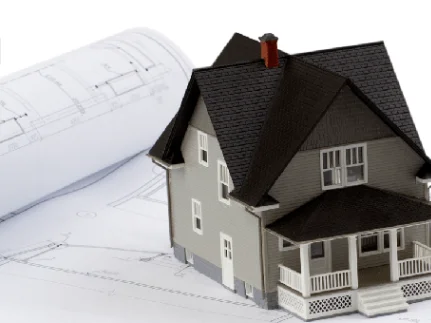
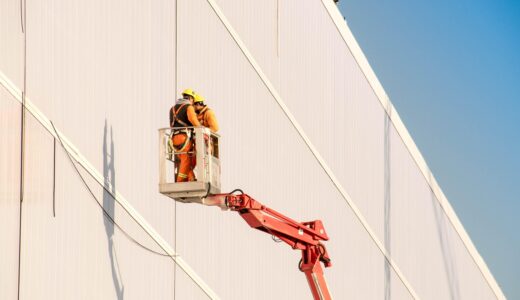
The building codes that architects, engineers and construction managers must contend with as part of their work are more than mere obstacles to design. They are the very foundation upon which are constructed safe, efficient and sustainable buildings. As practice evolves, building codes are increasingly becoming an essential framework of reference for protecting life and property while providing an impetus to innovation in building design. For architects, engineers and construction managers, compliance with the building codes is not only a matter of legal requirements but also a fundamental professional obligation which affects the very quality of the built environment.
What Role Do Building Codes Play in Ensuring Structural Safety?
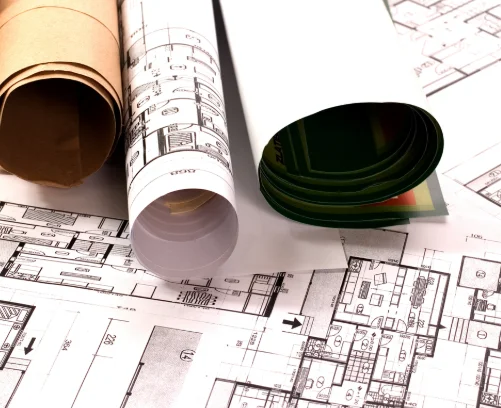
The primary purpose of building codes is to ensure that all buildings are able to resist anticipated loads and environmental conditions. Minimum standards are set for building materials, and for the design and structure of buildings.
Structural Integrity Standards
Modern building codes establish minimum requirements with respect to load carrying capacity, earthquake resistance as well as wind load. The International Building Code (IBC) for example stipulates minimum design requirements with respect to the static as well as dynamic loads acting upon a building, including the accidental action, and the resulting use of materials such as concrete, steel or timber. The end result is a building that will not fail catastrophically under stress.
Fire Safety Regulations
A crucial aspect of any building code is the provision of fire protection. This includes controls on use of fire-resistant materials and provisions for dividing up buildings by fire-resistant walls and doors to contain fires within particular areas of a building, as well as provision for means of egress for occupants of a building. Sprinkler systems, and methods of smoke control are also determined by building code for various categories of building use and building height. Building codes help save the lives of people in fires and make firefighting safer for fire fighters.
Electrical and Mechanical Safety
Electrical and mechanical installations on a building are required to comply with codes, to prevent damage from a short circuit, or from an electrocution. Also, mechanical systems must comply with energy efficiency standards, and air quality and ventilation levels must comply with health codes. Technical provisions to ensure safety therefore extend beyond the load bearing capacity of the building’s structure to its usability.
How Do Building Codes Contribute to Sustainability?
Sustainability has become a major component in the construction of buildings nowadays. In modern times, building codes, which were once used to ensure the safety of occupants and building structures, are increasingly incorporating criteria to evaluate the environmental load of a building and promote sustainability in its construction.
Energy Efficiency Requirements
Model building energy codes—like ASHRAE 90.1 or the International Energy Conservation Code (IECC)—are built around minimum efficiency for building components, including the insulation, lighting, and HVAC. Meeting these criteria produces cost of operation savings and carbon emissions reductions even when buildings are only code-compliant. Some states “stretch” their adopted energy codes to prompt architects and builders to include higher efficiency than the minimum building block.
Water Conservation Measures
Plumbing sections in building codes have recently turned their attention to water efficiency, putting a cap on the amount of water that different fixtures such as faucets, toilets and showers disburse. The greywater recycling systems have lately gained recognition in building codes and are now seen as sustainable measures for irrigation or for flushing of toilets.
Material Resource Management
Codes can affect the types of construction materials chosen as they encourage the use of recyclable and lower impact products. Certifications, such as green building certifications, can also tie into code-based measures for sustainability and reward construction using local materials and those with environmental product declarations (EPDs) that have been verified.
How Do Building Codes Protect Public Health?
Public health protection is written into every aspect of code – from the sections dealing with sanitation to the control of air quality.
Indoor Air Quality Standards
Ventilation rates are specified in mechanical building codes to try to create healthy indoor environments. Filtration systems are required to remove airborne organisms such as mold as well as volatile organic compounds (VOCs). In addition to the general building ventilation requirements, separate guidelines are developed for healthcare facilities and for laboratory ventilation to try to protect the occupants of these buildings from biological hazards.
Sanitation Provisions
Plumbing codes ensure safe water supply and waste disposal through strict pipe sizing rules, backflow prevention devices, and fixture spacing standards. These measures prevent cross-contamination between potable water lines and sewage systems—a fundamental public health safeguard.
Accessibility Requirements
The majority of modern Accessibility standards are incorporated into the building codes of states and municipalities across the country, enabling all people with physical disabilities safe, equal access to facilities such as businesses, public buildings and schools. Minimum requirements for: Ramp slope; Sturdy, wide doors; Accessible and useable restrooms; and Tactile signs that can be read by people who are blind, are among the many basic components and design requirements that ensure that all people can use the buildings on an equal footing.
Why Are Building Codes Essential for Disaster Resilience?
With disaster resilience becoming an increasing factor in current building codes as global climate related risks continue to escalate.
Seismic Design Provisions
In earthquake-prone regions like California or Japan, seismic design criteria require flexible structural systems capable of absorbing shock without collapse. Reinforced concrete detailing rules specify rebar placement patterns that enhance ductility during seismic events.
Wind Load Resistance
Hurricane-prone areas follow wind load maps incorporated into national model codes such as the IBC or ASCE 7-16 standard. Roof anchorage systems must resist uplift forces while exterior cladding undergoes pressure testing to prevent detachment under extreme winds.
Floodplain Management
Flood-resistant construction methods for buildings, including construction on piers above the Base Flood Elevation for a structure, are mandated in local amendments to the Code based on FEMA’s Flood Insurance Rate Maps (FIRMs) for this area. Such measures will reduce damage from both storm surge events as well as from river flooding.
How Do Building Codes Affect Innovation in Construction?
While building codes may be perceived as overly restrictive by some, they can actually stimulate great change in building materials and construction methods.
Integration of Smart Technologies
Modern codes increasingly accommodate digital innovations such as automated fire detection networks or smart HVAC controls that adjust airflow based on occupancy sensors. These technologies improve both safety performance and energy savings simultaneously.
Modular Construction Regulations
Offsite produced modules must meet the same standards for structure and fire resistance as other site produced components. But to stimulate their use, clear regulations and ways of obtaining approval have to be created in order to accelerate verification of compliance documentation submitted by the manufacturing plant.
Performance-Based Design Approaches
Performance-based design is a method of design which offers the engineer more freedom than a fixed design provision as it focuses on performance criteria, rather than simply complying with a set of design rules. It fosters creativity while ensuring that the safety requirements of the code authorities are met.
How Are Building Codes Developed and Enforced?
The legitimacy of building codes can depend on several factors related to the processes involved in creating and revising them, such as public participation as well as review by experts at various stages of the process.
Code Development Process
Organizations such as the International Code Council (ICC) coordinate updates through committees composed of engineers, architects, fire officials, and public representatives. Proposed revisions undergo public hearings before adoption into new editions published every three years.
Local Adoption and Amendments
The model codes can be adopted by municipalities with regional amendments as needed to reflect the local conditions and culture, such as for example higher snow loads in the North or higher humidity in the coastal states.
Inspection and Compliance Mechanisms
Inspectors check for compliance during the different stages of construction. The initial foundation inspection is followed by the framing, electrical and plumbing inspections. A final rough-in and final inspection also takes place to verify all aspects of the home are complete and ready for occupancy. Any non-compliance can result in fines or denial of a certificate of occupancy until the work is completed.
FAQ
Q1: Why do building codes change every year? A1: With rapid advances in technology each year, new materials are constantly emerging. Along with safety research indicating the latest methods and means to manage risk, building codes need to be updated frequently to remain relevant to current practice.
Q2: Are international building codes legally binding? A: No, not directly, but they are used as model documents for adoption by local jurisdictions in voluntary form and subject to modification before enforcement at the municipal level.
Q3: Are older buildings exempt from new building codes? A: Generally yes. Existing buildings are grandfathered and need only comply with building codes when they are substantially renovated.
Q4: Who decides which version of a code to apply to a project? A: The local authority having jurisdiction (AHJ) typically determines which edition of a code to apply based on information contained in the adoption schedules found in the municipal ordinances.
Q5. How do digital tools address code compliance? A. Software allows plan reviews to be automatically marked off against checklists to minimize human error. Digital tools also support designers and building inspectors to work in real time throughout a building’s project lifecycle.