What to Consider When Selecting a Waterproofing Supplier
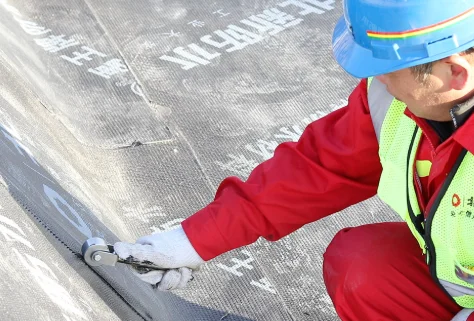
Selecting the right waterproofing supplier determines the durability and performance of any construction project. A professional supplier not only provides quality materials but also technical guidance, product warranties, and compliance with safety standards. For industry professionals, the decision goes beyond price—it involves assessing reliability, material compatibility, and long-term service support. The right choice minimizes maintenance costs and ensures structural integrity over time.
Why Does Supplier Reputation Matter?
Reputation remains one of the most critical indicators of a supplier’s reliability. In waterproofing projects, where failure can lead to costly structural damage, working with a trusted partner becomes essential.
Track Record in Large-Scale Projects
A reputable waterproofing supplier often demonstrates experience across diverse projects—commercial towers, tunnels, and residential complexes. Their portfolio reflects consistency in product quality and project delivery timelines. Professionals usually verify this through case studies or client testimonials rather than marketing claims.
Industry Certifications and Standards
Suppliers adhering to ISO or ASTM standards show commitment to quality assurance. Certification also indicates that their manufacturing processes meet international benchmarks for safety and environmental responsibility.
Client Feedback and Market Presence
Long-standing suppliers with positive feedback across contractor networks tend to deliver dependable products. Market presence over several decades often signals resilience against economic fluctuations and consistent customer trust.
How Important Is Product Range and Compatibility?
A broad product portfolio allows engineers to select materials tailored to specific site conditions—whether for basements, roofs, or expansion joints. Compatibility among different waterproofing systems ensures seamless integration during installation.
Variety of Waterproofing Systems
An advanced supplier offers membranes, coatings, sealants, and admixtures suitable for both positive-side and negative-side waterproofing. This range supports flexibility in addressing hydrostatic pressure variations across structures.
Material Compatibility Testing
Professional suppliers conduct compatibility testing between primers, membranes, and topcoats to prevent chemical reactions that may compromise adhesion or durability.
Availability of Customized Solutions
Some suppliers provide bespoke formulations for unique climatic or substrate conditions—for instance, high-humidity coastal regions or underground parking decks exposed to groundwater ingress.
What Role Does Technical Support Play?
Beyond supplying materials, technical assistance defines how effectively those materials perform on-site. Engineers rely on suppliers who offer design input and field training for applicators.
Pre-Construction Consultation Services
Competent suppliers assist design teams in selecting appropriate systems based on soil reports, water tables, and load conditions before construction begins.
On-Site Application Guidance
Field technicians from established suppliers often supervise initial installations to ensure correct mixing ratios, curing times, and layer thicknesses are maintained according to specifications.
Post-Installation Inspection
After completion, inspection services help verify that application meets warranty requirements. This proactive approach reduces liability for both contractors and clients.
How Does Pricing Relate to Long-Term Value?
While cost remains an immediate concern in procurement decisions, professionals evaluate total lifecycle value rather than upfront expense alone.
Cost vs. Performance Analysis
Low-cost materials may initially appear attractive but can fail prematurely under stress or moisture exposure. Premium systems often justify their higher price through extended service life and reduced repair frequency.
Warranty Coverage
Suppliers offering multi-year warranties demonstrate confidence in their products’ longevity. Comprehensive coverage typically includes both material defects and performance guarantees under defined conditions.
Supply Chain Reliability
Stable pricing also depends on supply consistency. Suppliers maintaining regional warehouses minimize project delays caused by material shortages or shipping disruptions.
Are Environmental Factors Becoming More Significant?
Sustainability now influences material selection as much as technical performance does. Construction professionals increasingly seek eco-friendly waterproofing options aligned with green building certifications like LEED or BREEAM.
Use of Low-VOC Materials
Modern formulations reduce volatile organic compounds (VOCs), improving indoor air quality during application while meeting environmental regulations in urban zones.
Recyclable Packaging Initiatives
Responsible suppliers adopt recyclable containers or bulk delivery systems that cut plastic waste at job sites—a small but growing expectation among developers promoting sustainable practices.
Energy Efficiency Contributions
Reflective waterproof coatings can contribute to lower building energy consumption by reducing heat absorption on rooftops—an added advantage valued in hot climates.
What Should Be Checked Regarding Logistics and Delivery?
Efficient logistics ensure timely completion of construction schedules without compromising quality control during transit or storage.
Regional Distribution Networks
Suppliers with multiple distribution centers shorten lead times significantly compared with single-location vendors reliant on long-distance freight routes.
Storage Conditions Compliance
Waterproofing products like bituminous membranes require temperature-controlled storage; improper handling can alter viscosity or reduce shelf life before application.
Emergency Supply Capabilities
In fast-track projects facing unexpected weather changes or design modifications, having a supplier capable of rapid resupply prevents downtime losses on-site.
How Do After-Sales Services Influence Supplier Selection?
Post-purchase engagement distinguishes transactional vendors from strategic partners who support clients throughout the project lifecycle.
Maintenance Training Programs
Some suppliers train facility management teams on inspection routines that extend membrane performance beyond its nominal lifespan.
Technical Documentation Access
Comprehensive datasheets, safety guidelines, and CAD details provided digitally streamline coordination between architects, contractors, and consultants during future refurbishments.
Continuous Product Innovation Updates
Regular updates about new formulations or improved installation methods indicate that a supplier invests in research rather than relying solely on legacy products—a sign of long-term viability within the market.
FAQ
Q1: What qualifications should a waterproofing supplier have?
A: Look for ISO-certified manufacturing processes and documented compliance with ASTM standards; these confirm consistent product quality suitable for professional applications.
Q2: How can compatibility between different systems be verified?
A: Request laboratory test results showing chemical stability between selected membranes, primers, sealants, or coatings under simulated site conditions.
Q3: Why is after-sales support important in waterproofing projects?
A: It helps maintain system integrity through inspections and maintenance training that prevent early deterioration due to misuse or neglect.
Q4: What environmental aspects are relevant when choosing waterproofing materials?
A: Consider low-VOC content, recyclable packaging options, and energy-efficient reflective coatings that align with sustainable building goals.
Q5: How does warranty duration affect procurement decisions?
A: Extended warranties reflect confidence from the manufacturer; they often translate into reduced long-term maintenance costs despite higher initial investment.