
Behr Premium waterproofing stain and sealer explained for decks, fences and siding

Behr Premium waterproofing stain and sealer is better viewed as a line of exterior wood finishes than as one universal coating. The solid color version is intended to cover more color variation and minor visual defects, while the semi-transparent version leaves more of the wood grain visible. Both are water-based acrylic products for properly prepared exterior wood, but they differ in appearance, coverage guidance, durability claims and application temperature limits.
For decks, fences and siding, the choice is not only about color. It depends on whether the surface needs the hiding power of a more film-forming solid finish or the lighter look of a semi-transparent stain, and whether the wood is clean, dry, sound and ready to accept a coating.
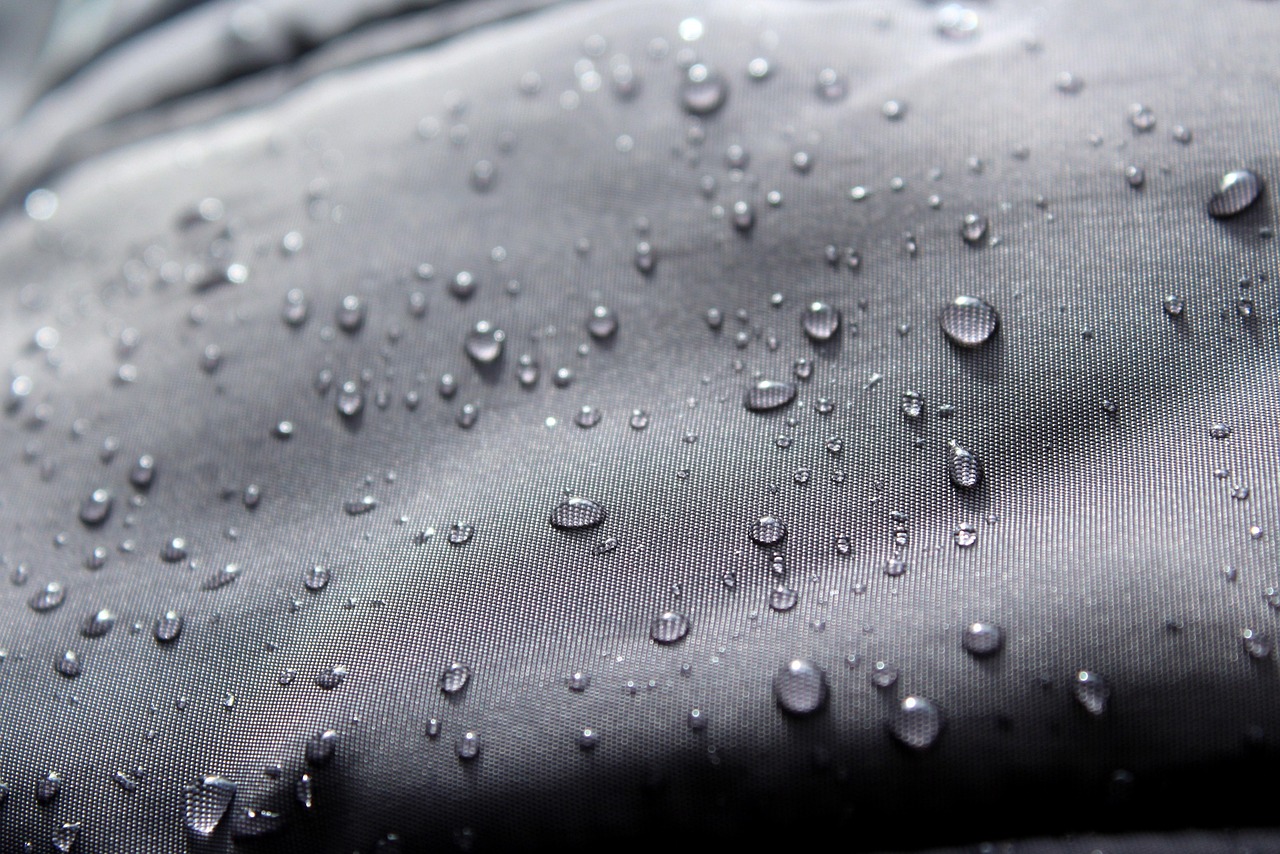
What this product line is meant to do
In the exterior coatings category, Behr Premium waterproofing stain and sealer sits between a decorative wood stain and a protective exterior coating. It is marketed for outdoor wood surfaces exposed to rain, sunlight and seasonal temperature changes. It is not a structural repair system and should not be treated as a way to save rotten boards, unstable coatings or wet lumber. Its role is to add color, reduce water absorption at the surface, and help slow the visible and physical wear that occurs when exterior wood is left unfinished.
Behr’s technical data sheets identify the solid color waterproofing stain and sealer as a 100% acrylic formula for properly prepared new to moderately weathered exterior wood and wood composite surfaces. The semi-transparent waterproofing stain and sealer is listed as an advanced 100% acrylic formula for properly prepared new to moderately weathered, unsealed exterior wood surfaces, including pressure-treated lumber. Those distinctions matter because a coating that performs well on clean, absorbent wood may fail early on glossy, dirty, damp or previously coated surfaces.
For readers comparing broader exterior finish options, our coatings section covers related topics such as protective films, weathering and substrate preparation.
Solid color vs semi-transparent stain and sealer
The main decision is opacity. A solid color stain behaves more like a thin exterior coating: it hides the grain visually, creates a more uniform color field, and can make an older deck or fence look more consistent. A semi-transparent stain leaves more natural wood character visible, which is often preferred on newer boards or wood species with attractive grain.
According to Behr product data from its technical sheets, the two versions also have different claimed service periods and spread rates. These figures should be read as manufacturer guidance, not as a guarantee that every deck will look unchanged for the full period. Foot traffic, sun exposure, standing water, surface preparation and application thickness can all shorten the maintenance cycle.
| Comparison point | Solid color waterproofing stain and sealer | Semi-transparent waterproofing stain and sealer |
|---|---|---|
| Appearance | Opaque color that hides grain and minor visual defects while wood texture may still show | Translucent color that allows more grain and natural variation to remain visible |
| Listed resin type | 100% acrylic | Advanced 100% acrylic |
| Typical use | Decks, fences, siding and wood composite surfaces when a uniform color is desired | Decks, fences and siding where visible grain is part of the design intent |
| Manufacturer durability claim | Up to 10 years on decks and up to 25 years on fences and siding | Up to 6 years on decks and up to 8 years on fences and siding |
| Coverage guidance | About 200-400 sq ft per gallon depending on porosity and method | About 300-500 sq ft per gallon, with two coats recommended for appearance and durability |
| Recoat and cure guidance | Recoat in 1-2 hours at 77°F and 50% relative humidity; full cure about 72 hours | Recoat in 1-2 hours at 77°F and 50% relative humidity; full cure about 72 hours |
| Temperature guidance | Best applied when air, material and surface temperatures are between 35°F and 90°F | Best applied when air, material and surface temperatures are between 40°F and 90°F |
| VOC statement | Listed as less than 100 g/L | Listed as less than 100 g/L |
The practical takeaway is straightforward: choose solid color when uniformity and hiding power are the priority; choose semi-transparent when preserving the grain is more important than maximum visual coverage. If a deck has patched boards, uneven aging, old color variation or cosmetic staining that cannot be fully removed, the solid color product will usually be easier to make consistent. If the wood is relatively new, evenly absorbent and visually attractive, the semi-transparent stain can provide a more natural-looking finish.
Surface preparation is the main performance variable
Many exterior wood coating failures trace back to moisture, contamination, unstable previous coatings or overapplication. Manufacturer data for both the solid and semi-transparent versions emphasizes cleaning, brightening, neutralizing after stripping, rinsing and allowing the surface to dry before coating. On new wood, Behr’s instructions refer to removing mill glaze and opening the pores so the finish can bond more evenly.
That guidance is consistent with general coating practice. Exterior wood should be sound, clean and dry. Loose fibers, flaking coatings, algae, mildew staining, old oil finishes, waxy residues and construction dust can interfere with adhesion or create blotchy absorption. A pressure washer can help remove surface dirt, but aggressive washing can damage wood fibers or force water into the boards. If water is driven into the substrate, the schedule should allow sufficient drying time before any stain is applied.
Previously coated wood needs extra caution
If an older deck or fence already has a coating, the new finish is only as reliable as what remains underneath. Peeling, cracked or poorly bonded coatings must be removed or stabilized before a new stain is applied. Behr’s solid color data sheet notes system recommendations for tannin and stain blocking and for previously painted surfaces, including primer use on properly prepared areas. This matters on woods such as cedar, redwood and cypress, which can bleed tannins through light colors.
Older buildings may involve lead-safe work practices
When scraping or sanding old exterior coatings, especially on pre-1978 housing in the United States, lead exposure is a real safety concern. The U.S. Environmental Protection Agency’s lead-safe renovation guidance states that renovation, repair and painting work in pre-1978 housing and child-occupied facilities should be planned around lead-safe practices. For a homeowner or contractor, preparation is not only an appearance issue; it can also involve containment, protective equipment, safe cleanup and regulatory obligations.
Application conditions that affect the finished result
Behr’s data sheets list application ranges that are easy to overlook. The solid color product is listed for application between 35°F and 90°F, while the semi-transparent product is listed between 40°F and 90°F. Both products warn against hot surfaces and direct sun, because rapid drying can leave lap marks, uneven penetration or surface defects. The solid color data sheet also warns not to apply if rain or snow is expected within the stated window, while the semi-transparent data sheet notes rain resistance after four hours under suitable conditions.
Temperature is only part of the equation. Relative humidity, dew point, shade, airflow and board temperature can all change dry time. A deck surface in full sun can be significantly hotter than the air temperature, while a shaded surface can stay damp long after rain has stopped. If the surface is too hot, the stain can flash dry before it levels. If it is too cold or damp, curing can slow and the coating may remain vulnerable longer.
- Keep a wet edge. Working in manageable sections reduces lap marks and color overlap.
- Back-brush or back-roll after spraying. Behr’s technical guidance calls for this step to help achieve a uniform appearance.
- Avoid puddling. Heavy application is not extra protection; it can create peeling, cracking or tacky areas.
- Allow for traffic restrictions. Both versions list 24-48 hours before light foot traffic at standard test conditions and about 72 hours for full cure.
- Test first. A small inconspicuous area can reveal color, absorption and compatibility issues before the whole surface is coated.
Application tools also influence the finish. Behr lists nylon/polyester brushes, 3/8-inch nap rollers, pad applicators for large deck areas, and airless spray equipment with immediate back-brushing or back-rolling. For many deck projects, a pad applicator or brush-and-pad combination provides better control than spraying alone, especially where boards have cracks, end grain or raised fibers. See also: Membranes.
Estimating coverage and project planning
Coverage numbers are useful for budgeting, but they are not exact takeoff data. Porous weathered wood can absorb more material than expected. Rough-sawn fence boards use more stain than smooth decking. Railings, steps, lattice and board edges add hidden surface area. Project estimates should allow for waste and should include a plan for keeping the same product batch or mixed color consistent across visible areas.
For the solid color product, the published coverage range is 200-400 sq ft per gallon, depending on application method and substrate porosity. For the semi-transparent product, the technical data sheet lists 300-500 sq ft per gallon, with the first coat applied at a heavier spread rate and the second coat thinner. In practice, a 500 sq ft deck with weathered boards, rails and stairs may require more material than the flat deck square footage suggests.
A practical workflow looks like this:
- Inspect the wood for rot, loose fasteners, popped nails, unstable coatings and water-trapping details.
- Clean or strip as needed, following the cleaner or stripper instructions for dwell time and rinsing.
- Let the wood dry thoroughly, then sand fuzz, splinters or rough transitions where required.
- Mask adjacent siding, masonry, plants and metal hardware that should not be coated.
- Test color and absorption in a small area.
- Apply in shaded, manageable sections, maintaining a wet edge and avoiding heavy build.
- Respect recoat, foot traffic and cure times before moving furniture or planters back onto the surface.
Limitations to consider before choosing it
A waterproofing stain and sealer can reduce water uptake at the surface, but it cannot correct design problems that keep wood wet. Deck boards with poor drainage, planters sitting directly on the surface, clogged gaps, failed flashing or constant shade will still be more vulnerable to coating stress. Any finish on horizontal wood is under more stress than the same finish on vertical siding or fencing because it faces standing moisture, abrasion and foot traffic.
The manufacturer’s durability language separates decks from fences and siding for a reason. Vertical surfaces shed water more easily and receive less abrasion, so they commonly last longer between maintenance cycles. Deck walking surfaces usually show wear first at stairs, traffic paths, furniture feet and areas exposed to snow shoveling or repeated wet-dry cycles.
There are also appearance trade-offs. Solid color stain can refresh uneven wood, but it reduces the natural wood look. Semi-transparent stain can look warmer and more natural, but it will not hide mismatched boards or deep discoloration as effectively. Darker colors may absorb more heat, while lighter colors can show tannin bleed or staining if the substrate is not properly prepared and primed where needed.
Finally, avoid treating the words “stain and sealer” as a reason to skip preparation or maintenance. The sealer function is part of the coating system, not a substitute for cleaning, drying and correct film thickness. If water stops beading, color fades unevenly, or high-traffic areas begin to wear, the surface should be inspected and maintained before broad peeling begins.
Frequently asked questions
Is Behr Premium waterproofing stain and sealer better in solid or semi-transparent form?
Neither version is automatically better. Solid color is better when hiding uneven color, older wood and minor imperfections matters most. Semi-transparent is better when the goal is to preserve visible grain and a more natural wood appearance. The condition of the surface should drive the choice.
Can it be used on pressure-treated wood?
The semi-transparent technical data sheet lists pressure-treated lumber among recommended substrates when properly prepared. Pressure-treated wood still needs to be dry enough to accept stain. If water beads strongly on the surface or the lumber feels damp, staining should wait.
How long should a deck stay off limits after application?
At 77°F and 50% relative humidity, Behr lists 24-48 hours before light foot traffic and about 72 hours for full cure for both the solid and semi-transparent versions. Cooler, wetter or heavier-application conditions can extend those times.
Does the product need a separate clear topcoat?
It is designed as a stain and sealer system, so a separate clear topcoat is generally not part of the normal specification. Adding an incompatible coating can create adhesion, clarity or maintenance problems. If a special assembly is being considered, it should be checked against the manufacturer’s current technical guidance.
What is the biggest mistake to avoid?
The most common mistake is applying too much product to a surface that is not ready. Overapplication, damp wood, residual cleaner, old peeling coatings and hot direct sun can all reduce performance. Thin, even coats on a properly prepared surface are more reliable than a heavy coat applied for speed.


