
Water resistant paint for concrete and how to choose the right system
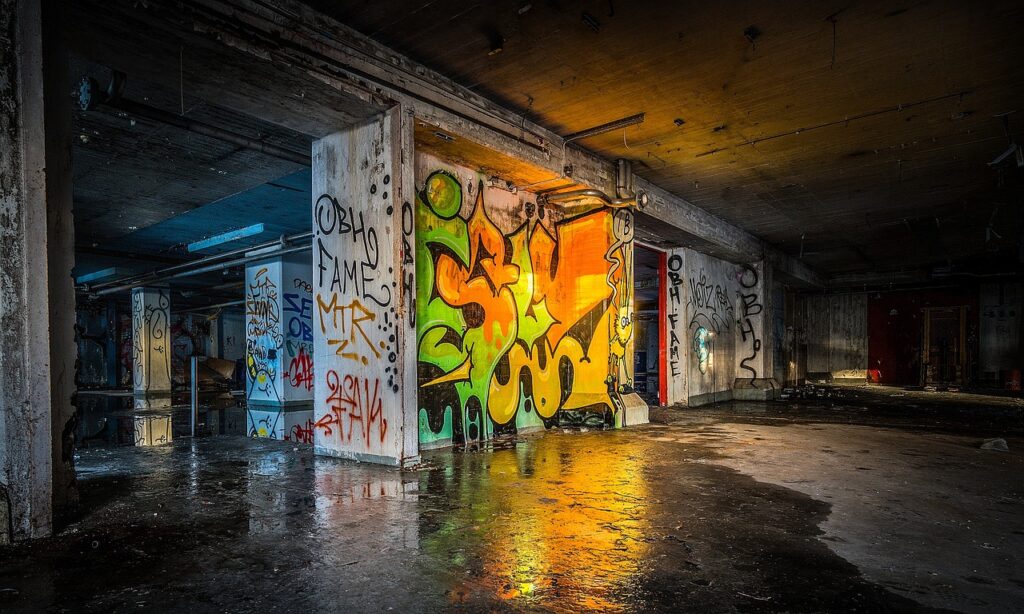
What water resistant concrete paint can and cannot do
Water resistant paint for concrete is a coating system used to reduce water absorption, resist splash or rain exposure, and make concrete surfaces easier to clean. A suitable product can help protect garage floors, basement walls, patios, utility rooms and exterior concrete walls. The key limitation is that water resistant does not always mean waterproof. Paint cannot reliably correct active seepage, structural cracking, failed drainage, rising vapor pressure or standing water unless the complete system is designed for that exposure.
The first question is not simply which paint to buy. It is whether the concrete is dry enough, sound enough and prepared well enough for a coating to bond. Industry references such as ASTM D4263 for indicating moisture in concrete, ASTM F2170 for relative humidity in concrete slabs, AMPP SSPC-SP 13/NACE No. 6 for concrete surface preparation, and ICRI 310.2R for surface profile selection all point to the same practical lesson: moisture and surface condition control coating performance.
For more building envelope and coating topics, see the Realloong Coatings section.
Start by diagnosing the moisture source
Before selecting a coating, identify how water reaches the concrete. A wall exposed to occasional wind-driven rain is very different from a basement wall under hydrostatic pressure. A garage floor affected by wet tires is not the same as a slab releasing moisture vapor from below. The coating type, primer, film thickness and preparation method should match the exposure.
Rain, splash and cleaning water
Exterior walls, patios, steps and utility floors commonly need resistance to rain, hose-down cleaning or occasional splash. In these conditions, acrylic masonry paint, elastomeric wall coating, epoxy floor coating or a penetrating water repellent may be appropriate, depending on traffic, UV exposure and appearance requirements.
Moisture vapor from slabs
Concrete slabs can release moisture long after the surface appears dry. ASTM F2170 describes in-situ relative humidity testing for concrete floor slabs because excessive slab moisture can contribute to debonding, coating deterioration and microbial growth after finishes are installed. A surface-only check is not enough for moisture-sensitive floor coatings. Follow the coating manufacturer’s stated moisture limits and test method rather than relying only on slab age or appearance.
Hydrostatic pressure and active leakage
Below-grade concrete can face water pressure from saturated soil outside a foundation. ASTM D7088 is used to evaluate resistance to hydrostatic pressure for coatings used on below-grade masonry applications. That does not mean every waterproofing paint can stop basement water. Negative-side interior coatings may help in limited conditions, but drainage correction, crack repair and exterior waterproofing are often more important when liquid water is being forced through a wall.
Main coating choices for concrete
The term water resistant paint covers several different coating technologies. Matching the coating to the service condition is more important than choosing the most expensive product or the thickest film.
| Coating type | Best fit | Key limits |
|---|---|---|
| Acrylic or latex masonry paint | Interior or exterior vertical concrete and masonry where moisture exposure is light to moderate | Not intended for constant immersion, active leaks or heavy floor wear unless rated for floors |
| Elastomeric masonry coating | Exterior concrete or masonry walls needing a flexible film and rain resistance | Can trap moisture if used on damp or poorly drained walls; usually not a substitute for below-grade waterproofing |
| Epoxy floor coating | Garages, workshops and commercial floors needing abrasion, chemical and splash resistance | Moisture vapor can cause blistering or delamination if the slab exceeds product limits |
| Polyurethane or polyaspartic topcoat | UV-stable or abrasion-resistant top layer over compatible primers or base coats | Usually part of a system, not a stand-alone waterproofing solution |
| Cementitious waterproof coating | Concrete and masonry walls where mineral compatibility and damp-substrate tolerance are needed | Performance depends heavily on crack repair, substrate condition and water pressure |
| Silane or siloxane water repellent | Exterior concrete, brick or masonry where a clear, breathable water repellent is preferred | Not a paint film; it will not hide stains, change color dramatically or bridge cracks |
For decorative concrete, selection often comes down to appearance versus vapor movement. A film-forming coating changes the look and creates a visible layer. A penetrating water repellent keeps a more natural appearance, but it does not provide the same color coverage or wear layer. For floors, slip resistance also matters. A glossy coating can resist water and still be unsafe if it lacks texture in wet service.
Surface preparation decides the result
Many coating failures blamed on paint are actually substrate failures. Concrete may contain laitance, dust, curing compounds, weak old coatings, oil, soluble salts, high pH conditions, cracks or hidden moisture. A coating bonds to the surface it touches, so a weak surface produces a weak system.
AMPP SSPC-SP 13/NACE No. 6-2024 addresses surface preparation of concrete before bonded protective coatings and linings. It emphasizes evaluation of the concrete, surface soundness, contaminants, profile, cleanliness, pH and moisture. ICRI 310.2R also provides guidance for selecting concrete surface profiles for sealers, coatings, polymer overlays and repair. These references matter because concrete preparation is not one universal step. A thin sealer may need a much lighter profile than a high-build epoxy or overlay.
Clean and remove weak material
Remove dirt, chalking paint, loose concrete, grease, oil, efflorescence and curing residue. Detergent cleaning may be enough for light contamination, but oil-stained floors often require degreasing and mechanical preparation. If an old coating is peeling, painting over it only transfers the failure to the new layer.
Repair cracks before coating
Hairline cracks in exterior walls may be managed by some elastomeric systems, but moving cracks, structural cracks and leaking cracks need proper repair. Floors with control joints should not be filled casually with rigid paint. Use compatible fillers or joint treatments recommended for the coating system and the expected movement.
Create the right profile
Smooth troweled concrete can be too dense for many coatings. Grinding, shot blasting or other mechanical methods may be required to create a suitable profile. Acid etching is sometimes discussed for residential work, but it can leave residue and does not remove many contaminants. For critical coatings, mechanical preparation and verification against a specified profile are more reliable.
Moisture checks before painting
Moisture is the issue most likely to turn a water resistant coating into a failure. Concrete can appear dry at the surface while still holding moisture internally. ASTM D4263, the plastic sheet method, is commonly referenced as a way to indicate the presence of capillary moisture before applying coatings on concrete. It is useful as an indication, but it does not replace quantitative slab moisture testing where a floor coating manufacturer requires it.
For floor slabs, ASTM F2170 measures internal relative humidity using in-situ probes. The standard notes that moisture test results represent the slab condition at the time and locations tested. That point matters on real projects: one dry corner does not prove the whole floor is ready, and a slab can re-wet if drainage, vapor barriers or indoor humidity conditions change. See also: Membranes.
EPA moisture-control guidance also stresses that porous materials such as concrete can tolerate wetting but should be dry before coatings or interior finish materials are applied. In practical terms, do not use paint as a drying strategy. Fix the water source, allow drying, test as needed, then coat.
Application details that affect water resistance
Even the correct coating can underperform if it is applied outside its working conditions. Product data sheets should control final decisions, but several principles apply across most concrete coatings.
- Respect temperature and humidity limits. Low temperature can slow curing, while high humidity can interfere with water evaporation or film formation.
- Watch the dew point. If the surface is near or below the dew point, condensation can form and prevent adhesion.
- Use the specified primer. Primers help seal porous concrete, improve bond and reduce uneven absorption. Skipping primer can produce pinholes, weak adhesion or a blotchy appearance.
- Apply the required film thickness. Too little coating may leave pores and weak spots. Too much can trap solvent or water, causing poor cure or blistering.
- Allow full cure before water exposure. Dry-to-touch is not the same as cured. Early exposure to rain, washing or traffic can damage a young film.
- Add texture where floors get wet. Anti-slip aggregate or a textured finish may be necessary for steps, patios, ramps and garage floors.
Edges and transitions deserve special attention. Water often enters at wall-floor joints, cracks, penetrations, drains and slab edges. Coating the open field of a floor while ignoring joints may improve appearance, but it will not solve moisture entry.
Selection checklist for common concrete areas
Basement walls
Look first for exterior grading problems, clogged gutters, failed footing drains, wall cracks and hydrostatic pressure. Interior water resistant paint may reduce dampness on sound masonry, but active seepage requires repair and water management. If a coating claims below-grade water resistance, check whether it is rated for negative-side pressure and what preparation it requires.
Garage floors
Choose a coating system rated for vehicle traffic, hot tire exposure, chemicals and moisture conditions. Epoxy with a compatible topcoat is common, but moisture testing is critical. If the slab has vapor emission problems, a moisture-mitigation primer may be needed, or a film-forming coating may be unsuitable.
Patios, steps and exterior slabs
Exterior horizontal concrete sees UV, freeze-thaw cycles, abrasion and standing water risk. Breathable penetrating repellents can reduce water absorption without forming a peeling film. Coatings offer color and cleanability, but they require more maintenance. In wet areas, avoid creating a slippery surface.
Bathrooms, laundry rooms and utility areas
Painted concrete in wet rooms should be treated as part of a moisture system, not as the only defense. Consider primers, joint detailing, compatible sealants and floor drains. Where regular standing water is expected, verify that the coating is rated for that service.
Frequently asked questions
Is water resistant paint for concrete the same as waterproof paint?
No. Water resistant paint can resist rain, splash or temporary wetting depending on the product. Waterproofing requires a system designed for the actual water load, including cracks, joints, pressure, drainage and substrate preparation. Always read the manufacturer’s service limits.
Can I paint damp concrete?
Only if the specific coating is designed for damp substrates and the manufacturer permits it. Many acrylic, epoxy and urethane coatings require dry concrete within stated moisture limits. Painting over damp concrete can trap moisture and lead to blistering, whitening, peeling or microbial growth behind finishes.
Do I need a primer on concrete?
Often yes. Concrete is porous and variable, so primer can improve adhesion, reduce pinholes and create a more uniform surface. Some coatings are self-priming under limited conditions, but that should come from the product data sheet, not assumption.
How long should new concrete cure before painting?
Many coatings require new concrete to cure and dry before application, but the exact waiting period depends on the product, slab thickness, mix design, ventilation and jobsite conditions. Use manufacturer requirements and moisture testing rather than a fixed calendar rule alone.
What is the most common reason concrete paint fails around water?
The most common pattern is not one single cause. Failures often combine excess moisture, poor surface preparation, weak or contaminated concrete, incorrect coating selection, missing primer, inadequate film thickness or early water exposure before cure. Diagnosing these factors before painting is cheaper than removing a failed coating later.
Bottom line
The best water resistant paint for concrete is the system matched to the moisture source, traffic level, exposure, substrate condition and required finish. For light rain and splash, acrylic masonry coatings or penetrating repellents may be enough. For floors, epoxy or multi-coat resin systems may provide better durability, but only when slab moisture is within limits. For below-grade water pressure, paint alone is rarely the whole answer. Test moisture, prepare the surface, repair defects and select a coating system with documented suitability for the job.


