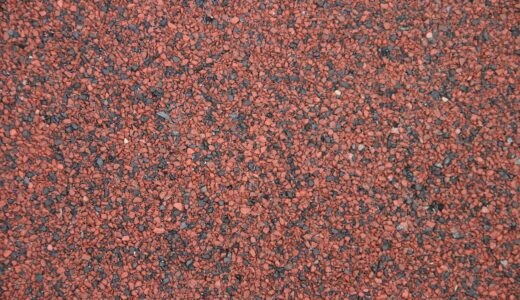
GAF Ruberoid Torch Smooth membrane overview for low-slope roofing
What GAF Ruberoid Torch Smooth is
GAF Ruberoid Torch Smooth is a smooth-surfaced, heat-welded APP modified bitumen membrane for low-slope roofing. GAF’s January 2024 data sheet identifies it as an APP base/ply sheet with a non-woven polyester mat core coated in APP polymer-modified asphalt. For specifiers, contractors, and building owners researching gaf ruberoid torch smooth, the important point is that this is a defined roofing membrane, not a generic roll roofing product. Its published information includes ASTM D6222 Type I, Grade S classification, roll dimensions, assembly-dependent approvals, and specific fire-safety considerations because it is torch applied.
This article interprets the product information rather than serving as an installation guide. For broader low-slope roof system topics, see the membranes section.
Specification snapshot
The practical way to evaluate Ruberoid Torch Smooth is to separate membrane properties from finished roof performance. The data sheet provides measurable product information. The performance of the installed roof depends on the complete assembly, including substrate, slope, flashings, drainage, workmanship, and applicable code requirements.
| Item | Published information | Why it matters |
|---|---|---|
| Membrane type | APP modified bitumen base/ply sheet | Places it within multi-ply modified bitumen roofing and waterproofing assemblies. |
| Application | Heat-weld | Signals torch-related detailing, training, substrate review, and fire-watch requirements. |
| Standard | ASTM D6222 Type I, Grade S | Identifies an APP modified bituminous sheet with polyester reinforcement and smooth surfacing. |
| Reinforcement | Polyester | Supports tensile and elongation properties used in modified bitumen sheets. |
| Roll size | 106.7 ft² actual membrane area | Installed coverage will be lower after side laps and end laps. |
| Roll length | 32 ft 4 in | Useful for layout, estimating, and material handling. |
| Roll width | 39.625 in | Approximately 1 meter wide, consistent with many modified bitumen rolls. |
| Roll weight | 85 lb | Affects staging, hoisting, labor planning, and rooftop load handling. |
| Thickness | 160 mils, or 4.0 mm | Exceeds the 140 mil minimum shown in the same data sheet for Grade S thickness. |
| Surfacing | Talc or sand top surface; film bottom surface | Distinguishes it from granule-surfaced cap sheets. |
GAF also states that installed roof designs using this membrane weigh less than 2 pounds per square foot. That should be read as a design-level statement, not as the weight of the roll by itself. A complete roof assembly may also include insulation, cover board, base sheets, cap sheets, fasteners, adhesives, coatings, edge metal, and flashings.
Where it fits in a modified bitumen system
Ruberoid Torch Smooth is relevant to new roofing, re-roofing, flashings, and repairs of built-up roofing or other modified bitumen systems. Its smooth surface and base/ply designation matter. GAF’s data sheet describes it as an APP base/ply sheet, while Miami-Dade County Product Control documentation for NOA 25-0717.05 describes Ruberoid Torch Smooth as a smooth-surfaced, torch-applied APP base or ply sheet reinforced with a polyester mat.
That wording helps avoid a common specification error. A smooth-surfaced sheet may look like the exposed waterproofing layer on some roofs, but the data sheet designation is not the same as a granule-surfaced cap sheet. In modified bitumen roofing, granule-surfaced cap sheets are often selected when the membrane is intended to serve as the exposed weathering surface. Smooth sheets may be used within the membrane assembly or in flashing details, depending on the approved system and manufacturer requirements.
If a project intends to leave a smooth APP surface exposed, the designer should verify the complete GAF assembly, coating or surfacing requirements, fire rating, wind uplift rating, and local code acceptance. The data sheet alone does not answer every roof-design question, and ASTM material compliance does not automatically validate a specific installed assembly.
ASTM D6222 and approval context
ASTM D6222/D6222M is the standard specification for APP modified bituminous sheet materials using polyester reinforcement. The active ASTM listing includes APP sheets with or without granules and distinguishes Grade G for granule surfacing from Grade S for smooth surfacing. GAF’s data sheet states that Ruberoid Torch Smooth meets or exceeds ASTM D6222 Type I, Grade S.
This classification gives architects and contractors a common language for comparing APP modified bitumen sheets. It also has limits. ASTM D6222 is a material standard, not a complete roof-system design standard. By itself, it does not determine wind uplift resistance, the fire classification of a specific assembly, compatibility with every substrate, or whether a field-applied coating is needed for a particular exposed condition.
The approval list in the GAF data sheet includes UL classification in accordance with ANSI/UL 790, FM Approved assemblies, Miami-Dade County Product Control approval, State of Florida approval, UL Evaluation Report UL ER1306-02, and Texas Department of Insurance Report RC-49. These approvals should be checked at the assembly level. A membrane may be part of an approved system, but the approval typically depends on the exact deck, insulation, cover board, fastening pattern, ply configuration, surfacing, slope, and edge details.
This distinction is especially important in hurricane-prone or high-wind jurisdictions. Miami-Dade documentation dated November 6, 2025 lists Ruberoid Torch Smooth within a broader group of GAF modified bitumen membranes and accessories, with an expiration date of November 6, 2030. A project team should still confirm that the selected assembly, not just the product name, matches the jurisdiction’s requirements.
Installation and safety considerations
Because Ruberoid Torch Smooth is heat-welded, installation safety is part of the product decision. APP modified bitumen sheets are generally bonded by heating the underside so the bitumen softens and bonds to the substrate. The method can be effective, but it introduces open-flame risk around combustible decks, parapets, penetrations, walls, voids, insulation, and concealed cavities.
NRCA’s torch-safety guidance states that torch-applied polymer-modified bitumen roof products can be used safely when roof decks, membranes, and construction details are properly designed and fire-safety techniques are considered. NRCA also recommends that torch-applied applications be carried out by CERTA-trained workers. OSHA’s torch-applied roofing guidance warns that heat from a roofing torch can conduct through the ply and ignite combustible materials underneath without the roofer immediately knowing it. OSHA also describes fire-watch inspections after torch work, including a minimum two-hour fire watch after the last torch is extinguished.
Practical pre-installation checks should include: See also: Coatings.
- Confirm the roof deck type and whether any combustible substrate is present.
- Review the approved assembly and manufacturer details before torching begins.
- Use base plies, thermal barriers, or alternate application methods where required.
- Keep torches away from hidden cavities, penetrations, curbs, wood blocking, and transitions that can trap heat.
- Stage extinguishers, establish fire-watch procedures, and assign a competent person to monitor risk areas.
- Store rolls upright in a clean, dry location, as GAF’s data sheet recommends.
These points are not a substitute for manufacturer instructions, local fire-code requirements, OSHA obligations, or contractor training. They explain why torch-applied membranes should be treated as professional roofing system components rather than commodity rolls.
How it compares with related choices
Ruberoid Torch Smooth is best compared with other products by application method, modifier type, reinforcement, and surfacing. APP and SBS modified bitumen membranes both use asphalt modified with polymers, but the terms are not interchangeable. APP membranes are often associated with torch application and heat-welding. SBS membranes may be available in hot-mopped, cold-applied, heat-welded, self-adhered, or mechanically attached configurations, depending on the product and system.
Surfacing is another key distinction. A smooth APP sheet such as Ruberoid Torch Smooth is different from a granule-surfaced APP cap sheet. The smooth sheet can function as a base or ply component, while a granule sheet is more commonly selected as the exposed cap layer in many assemblies. A smooth-surfaced roof may also involve coatings or other surfacing strategies, but those requirements must come from the approved system documents rather than assumption.
Single-ply membranes such as TPO, PVC, or EPDM are a different category. Many single-ply assemblies do not require open flame and may reduce torch-related fire risk, but they bring different seam methods, puncture behavior, chemical compatibility questions, detailing practices, and repair approaches. The choice between modified bitumen and single-ply should be based on roof use, traffic, slope, drainage, deck type, local code, wind zone, fire rating, maintenance plan, and installer capability.
Specifier and owner checklist
Before approving GAF Ruberoid Torch Smooth for a project, use the product name as the starting point, not the final specification. A complete review should answer these questions:
- Is the membrane being used as a base sheet, ply sheet, flashing sheet, repair material, or part of another approved assembly?
- Does the selected roof system match an applicable UL, FM, Florida, Miami-Dade, or other required approval?
- Is the substrate suitable for torch application, or is a non-torch detail required at sensitive areas?
- Does the design need a granule-surfaced cap sheet, coating, or other weathering surface above the smooth sheet?
- Have roll weights, rooftop staging, hoisting, storage, and weather exposure during construction been planned?
- Are installers trained for torch-applied polymer-modified bitumen systems and fire-watch procedures?
- Are warranty or system guarantee requirements being verified through current GAF documents rather than assumed from a product listing?
Ruberoid Torch Smooth is most appropriate where a project calls for an APP modified bitumen base or ply sheet within a professionally designed, approved, and safely installed low-slope roofing assembly. Its published specifications support evaluation and estimating, but the roof’s actual performance depends on the complete system and the quality of application.
Frequently asked questions
Is GAF Ruberoid Torch Smooth a cap sheet?
GAF’s January 2024 data sheet identifies it as an APP base/ply sheet, and Miami-Dade documentation describes it as a smooth-surfaced torch-applied APP base or ply sheet. For an exposed cap layer, verify whether the project requires a granule-surfaced cap sheet, coating, or another approved surfacing condition.
What ASTM standard does it meet?
The product data sheet states that Ruberoid Torch Smooth meets or exceeds ASTM D6222 Type I, Grade S. Grade S refers to smooth surfacing, and the standard relates to APP modified bituminous sheet materials using polyester reinforcement.
Does one roll cover 106.7 square feet on the roof?
Not exactly. The 106.7 ft² figure is the actual membrane area of the roll. Installed coverage is lower after side laps, end laps, cuts, waste, and detailing are included.
Can it be used for repairs?
GAF describes the membrane as suitable for repairs of built-up roofing membranes or other modified bitumen systems. Repair suitability still depends on the existing roof condition, moisture, compatibility, substrate, local code, and manufacturer guidance.
What is the main caution with torch application?
The main caution is fire risk from open-flame work and heat transfer into combustible or concealed materials. Torch-applied modified bitumen work should follow manufacturer instructions, applicable OSHA and fire-code requirements, and industry torch-safety practices such as CERTA-trained application and post-torch fire watch.