What to look for in basement waterproofing contractor proposals
Start with diagnosis before choosing a method
In basement waterproofing contractor proposals, the key issue is not the brand of membrane, pump or sealant. It is whether the contractor has identified how water is reaching the basement and matched the repair to that condition. A credible proposal should connect visible symptoms, site conditions and building-code constraints to a specific scope of work. If a bid simply says “waterproof basement” without explaining the moisture source, discharge route, materials and limits of the work, it is not ready for comparison.
Basement moisture can come from several paths: surface water flowing toward the foundation, groundwater pressure at the wall or slab, leaking cracks, open joints around utility penetrations, blocked footing drains, window wells, plumbing leaks, HVAC condensate or indoor humidity. These conditions may look similar to a homeowner, but they do not call for the same repair.
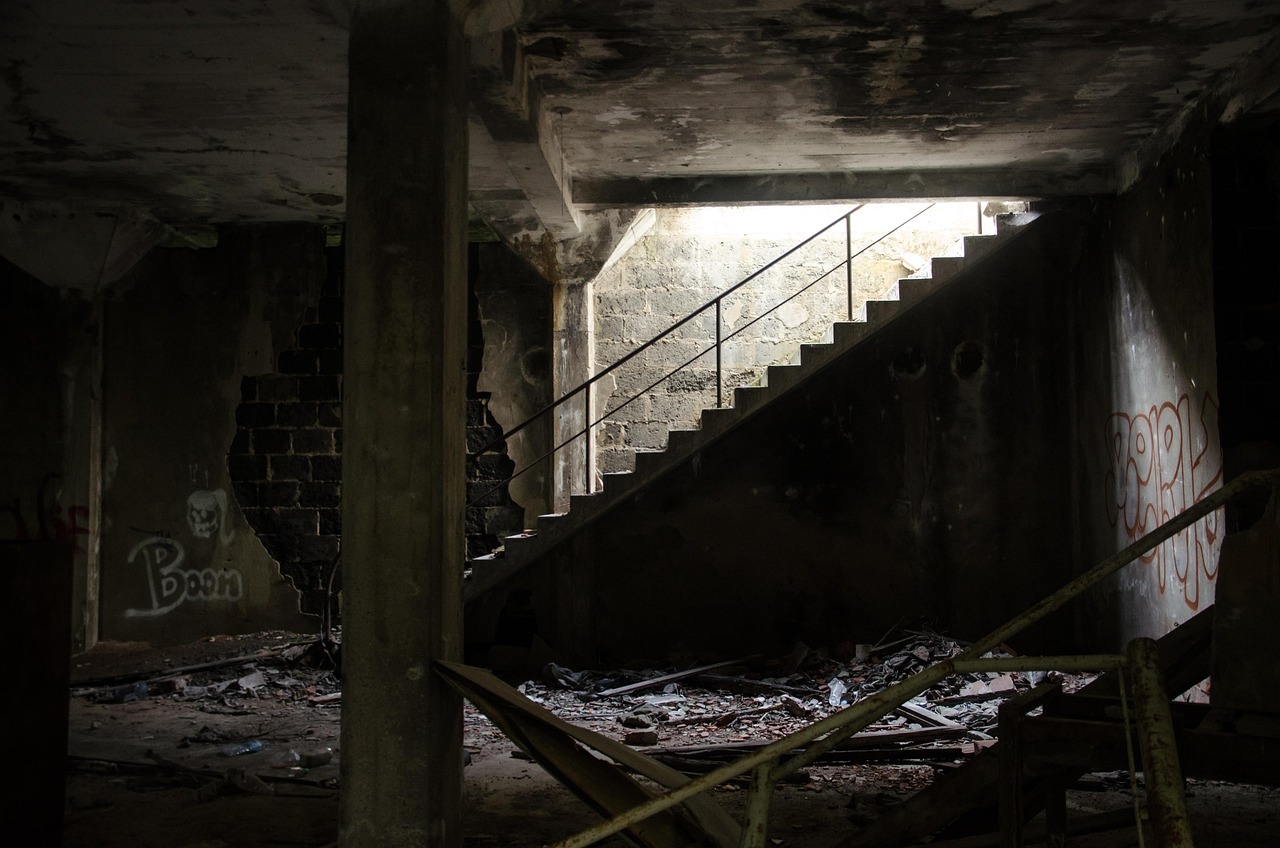
A practical first step is to document the pattern. Does water appear after heavy rain, snowmelt, long wet periods or only during high indoor humidity? Is it entering at the floor-wall joint, through a vertical crack, around a window well or across a broad wall surface? The answer helps separate bulk water intrusion from condensation or localized leakage.
For more construction procurement topics, see the Sourcing section.
What a complete basement waterproofing proposal should include
A basement waterproofing proposal should be more than a price and a promise. It should read like a scope of work that another qualified contractor, inspector or property manager could understand.
| Proposal item | Why it matters |
|---|---|
| Observed water source | Connects the repair to the actual failure path instead of treating every wet basement the same way. |
| Chosen method | Explains whether the work is exterior waterproofing, interior drainage, crack injection, grading correction, sump work or a combination. |
| Drainage route | Shows where collected water goes and whether it discharges to daylight, a sump, an approved storm system or another permitted location. |
| Material description | Identifies membranes, drainage board, pipe, gravel, sealants, vapor retarder or pump equipment without relying only on trade names. |
| Surface preparation | Clarifies how walls will be cleaned, cracks repaired, loose coating removed or joints treated before waterproofing is applied. |
| Permits and local rules | Important because adopted building codes, stormwater rules and sump discharge requirements vary by jurisdiction. |
| Warranty terms | Separates workmanship coverage from exclusions such as power failure, sewer backup, flood events, structural movement or unmaintained gutters. |
When comparing bids, ask each contractor to explain what happens if the initial diagnosis is incomplete. An interior drain may control water at the slab edge, but it may not stop moisture in an above-grade crack. An exterior membrane may reduce wall wetting, but it will not correct a plumbing leak. Good contractors state these limits in writing.
Interior drainage, exterior waterproofing and crack repair are not interchangeable
Basement waterproofing estimates often vary because contractors are proposing different categories of work. The lowest price may address a narrower problem. A higher bid may include excavation, drainage and restoration that another bidder left out.
Exterior waterproofing
Exterior waterproofing usually involves excavation to expose the foundation wall, cleaning and preparing the surface, repairing cracks or defects, applying a waterproofing membrane, protecting the membrane with board or drainage mat, installing or restoring footing drainage and backfilling. This approach addresses water before it enters the wall assembly, but it is disruptive and depends heavily on access, soil conditions, utilities and safe excavation practices.
Interior drainage systems
Interior drainage systems typically collect water at the floor-wall joint or below the slab and direct it to a sump pump. They can be practical when exterior excavation is not feasible, especially in existing homes with landscaping, patios or neighboring structures. However, they manage water after it reaches the foundation area. The proposal should explain the sump basin, pump capacity, check valve, alarm, backup strategy, discharge point and maintenance needs.
Crack injection and localized sealing
Epoxy or polyurethane injection may be appropriate for isolated cracks in poured concrete walls, depending on whether the crack is structural, active, wet or moving. It should not be sold as a cure for broad groundwater pressure, missing exterior drainage or poor surface grading. Masonry walls, stone foundations and block walls often require a different assessment because water can move through joints and cores, not only through visible cracks.
Grading, gutters and surface control
Sometimes the first improvement is not a basement product at all. The U.S. Environmental Protection Agency’s homeowner guidance emphasizes moisture control, including keeping gutters repaired and directing ground slope away from the foundation. If downspouts terminate beside the wall or the yard slopes toward the house, a contractor should address those conditions before recommending a more invasive system.
Codes, standards and guidance a contractor should understand
Basement waterproofing is affected by model codes, local amendments, manufacturer instructions and site conditions. A contractor does not need to quote code sections in every sales visit, but the proposal should not conflict with basic drainage and foundation principles.
The 2024 International Residential Code model code addresses foundation drainage in Section R405 and foundation dampproofing and waterproofing in Section R406. In general terms, the model code distinguishes dampproofing from waterproofing and calls for waterproofing where high water table or other severe soil-water conditions are known to exist. Local adoption varies, so the enforceable requirement is the code adopted by the authority having jurisdiction, not the model text alone.
The same model code includes provisions for drainage layers and sump discharge in basement construction. For a retrofit, this means a contractor should be able to explain how the proposed drain, sump or discharge line will comply with local plumbing, stormwater and building rules.
Standards can also matter when a proposal specifies a particular membrane type. ASTM D6135, for example, is a standard practice covering minimum installation recommendations for self-adhering modified bituminous waterproofing sheets. The useful takeaway for owners is straightforward: membrane performance depends on installation conditions, laps, surface preparation, terminations and protection from damage during backfill. See also: Membranes.
Flood guidance is a separate issue. FEMA and the National Flood Insurance Program advise that a working sump pump, water alarm and battery-operated backup pump can reduce basement flood damage. That does not mean a sump pump makes a basement floodproof. In flood-prone areas, owners should also consider floodplain rules, utility elevation, backflow prevention and insurance limitations.
Questions to ask before accepting a bid
The best contractor interview is specific. General questions produce general answers. Use questions that require the contractor to connect the diagnosis, work method and expected performance.
- Where exactly do you believe the water is entering, and what evidence supports that conclusion?
- Is this proposal intended to stop water outside the wall, collect it inside, reduce humidity or repair a localized leak?
- What work is excluded, such as landscaping, concrete replacement, electrical service for pumps, drywall removal or mold remediation?
- Will the work require a permit, inspection or utility marking before excavation?
- Where will sump discharge or drain discharge go, and is that location allowed locally?
- What maintenance will the system require after installation?
- What conditions void the warranty or fall outside its coverage?
- If a pump is included, what happens during a power outage or pump failure?
- How will finished basement materials be protected, removed or restored?
- Will the contractor provide photos of concealed work before backfill or concrete replacement?
For finished basements, also ask whether materials behind walls or under flooring need inspection. EPA mold guidance notes that mold control depends on fixing the moisture problem; cleaning without moisture correction is likely to allow the problem to return. If sewage, floodwater or extensive mold is involved, waterproofing and remediation may require separate qualified professionals.
Red flags in basement waterproofing sales claims
Not every wet basement requires the most expensive fix, and not every simple fix is adequate. Red flags usually appear when a proposal avoids limits, skips diagnosis or treats warranty language as a substitute for sound technical judgment.
- One-method selling: The contractor recommends the same system before inspecting grading, gutters, cracks, window wells and water-entry patterns.
- Vague lifetime claims: A long warranty is not meaningful unless it explains what is covered, who backs it and what maintenance is required.
- No discharge plan: Moving water out of the basement is not enough if the discharge route sends it back to the foundation or violates local rules.
- No discussion of power failure: Pump-based systems depend on electricity unless a backup pump or other backup power is included.
- Confusing dampproofing with waterproofing: Dampproofing is not the same as waterproofing under severe soil-water conditions.
- Ignoring mold and materials: Waterproofing does not automatically clean contaminated porous materials or remove hidden mold.
- Pressure to sign immediately: Urgency may be reasonable after active flooding, but major foundation work should still have a written scope and clear exclusions.
How to compare basement waterproofing bids fairly
To compare bids, normalize them into the same categories. Create a simple bid matrix with columns for diagnosis, method, linear feet or wall area, excavation depth if any, membrane or drain type, sump equipment, discharge route, concrete repair, cleanup, warranty and exclusions. This makes it easier to see whether one price is lower because it omits restoration, backup pumping, permits or downspout work.
Also separate source control from water management. Source control includes grading, gutters, exterior membranes, exterior drains and crack repair. Water management includes interior drains, sump pumps, alarms and backup systems. Many durable solutions combine both, but the right balance depends on soil, site access, foundation type, budget and risk tolerance.
Finally, avoid evaluating a proposal only by whether it promises a “dry basement.” A better standard is whether it identifies the moisture mechanism, uses suitable materials, follows applicable code and manufacturer requirements, provides a maintainable drainage path and states realistic limits. That is the difference between buying a system and buying a defensible scope of work.
Frequently asked questions
Is interior basement waterproofing enough?
Interior drainage can be enough for some existing basements where water enters at the slab edge and exterior excavation is impractical. It is better described as water management, not always true exterior waterproofing. The proposal should explain pump dependence, discharge, alarms and maintenance.
When is exterior waterproofing worth considering?
Exterior waterproofing is worth considering when the wall is accessible, groundwater is wetting the wall, footing drainage is missing or failed, or the project is new construction. It is more disruptive but can address water before it reaches the foundation wall.
Should a basement waterproofing contractor handle mold?
Some contractors may offer limited cleanup, but mold assessment and remediation are separate from waterproofing. If mold covers a significant area, involves contaminated water or affects HVAC systems, EPA guidance points homeowners toward experienced professionals and moisture correction before considering the cleanup complete.
Does a sump pump prevent all basement flooding?
No. A sump pump can reduce risk when it is correctly installed and maintained, especially with an alarm and backup pump. It cannot prevent all flooding, sewer backup, surface-water entry, plumbing failures or problems caused by inadequate discharge.
What is the first thing to check before hiring a contractor?
Start outside. Check whether gutters are clogged, downspouts discharge near the wall, soil slopes toward the house or window wells collect water. If simple surface-water problems are ignored, a more expensive basement system may be treating the symptom rather than the source.