Common Applications of Silicone Sealant in Construction
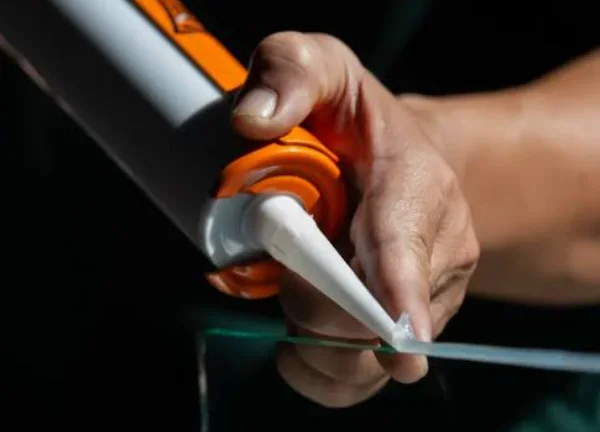
Sealants made of silicone, a relatively new type of sealant, offer durability, flexibility and a strong adhesion to different types of materials. These properties allow it to prevent the penetration of water and moisture and to withstand temperature fluctuations and exposure to UV radiation. Silicones are used not only for waterproofing but also to increase the lifespan of buildings and to improve the energy efficiency. Professionals use this type of sealant for curtain walls and for glazing systems as well as for sanitary equipment and for façade protection. They prefer this product for its long lifespan and the low maintenance needed.
Why Is Silicone Sealant Essential in Building Envelopes?
The building envelope is designed to form a barrier to outside weather, air and water and at the same time allow for structural movement, e.g. due to thermal expansion. In this respect silicone sealants are the perfect solution as they remain flexible even after prolonged periods and are able to absorb considerable movements without cracking or losing their adhesion. They form a consistent and continuous layer to ensure that no leakage occurs even in harsh weather.
Structural Glazing Systems
In curtain wall construction, our high quality silicone sealants bond glass to metal frames. Because the method of attachment uses no mechanical fasteners, it allows for a very attractive facade of uninterrupted glass. And because the sealant is highly elastic, it is able to withstand wind load and building sway, protecting the building from air leakage.
Weatherproofing Joints
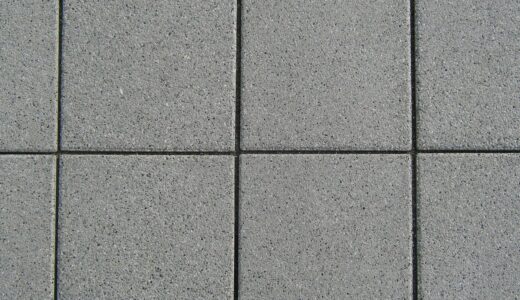
For exterior joints between precast concrete panels or masonry units, that are subjected to temperature variations and thus are likely to dilate or contract, silicone sealants are ideal. As a highly elastomeric sealant they can stretch enough to cover for all expansions and at the same time repel rain and dirty air. Besides its great elastic recovery after having come back to its original dimension after being strained, the sealant too is proving to be very stable against UV-radiation. Therefore it won’t get chalky and won’t change its color after having been exposed to sunlight for a long time.
Façade Protection
Architectural façades are sealed using silicone sealants around windows, doors and building cladding elements. High quality silicone sealants have the ability to maintain their adhesion over many decades. This is especially important because they are subject to numerous stress relieving cycles caused by temperature and humidity fluctuations in urban environments.
How Does Silicone Sealant Enhance Interior Construction?
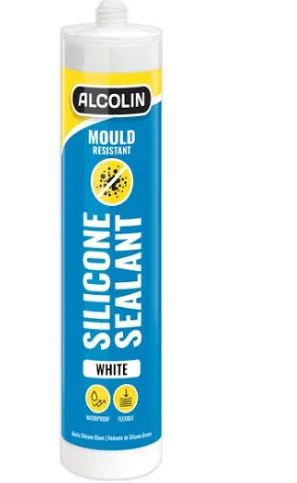
Within buildings silicone sealants provide hygiene, comfort and durability by sealing joints subject to moisture and / or frequent use of cleaning agents. Mold-resistant formulations are available for use in wet areas such as bathrooms and kitchens.
Sanitary Installations
In bathrooms and showers, bathroom window sealants are used to seal the joints around bathtub edges, kitchen and bathroom sink cutouts, bathroom tile joints and kitchen and bathroom countertops. This window sealant will prevent the growth of mildew. This is due to the presence of fungicidal additives that provide protection against fungi, mildew, yeast and mold. The sealant also has a smooth finish for easy cleaning in heavily used hotels, and hospitals.
HVAC Systems
Seals around heating, ventilation and air conditioning ductwork and vents in buildings need to be as airtight as possible in order to be cost effective. To achieve long lasting joints through mechanical rooms where there are frequent temperature changes and where items are subject to vibration, silicone sealants offer flexible, durable joints that do not crack.
Flooring Expansion Gaps
In large floor areas where movement in the substrate is expected, expansion joints are incorporated into the floor design. These can be sealed with a silicone sealant to prevent the area collecting dirt, whilst allowing the floor to move freely without developing annoying cracks in the surface finishes, or worse still, the finishes lifting from the substrate.
What Role Does Silicone Sealant Play in Energy Efficiency?
To create an energy-efficient building design it is important to ensure that the building’s construction details are very airtight. Sealing all of the joints will prevent unnecessary heat loss or gain by avoiding unwanted infiltration through windows and other façade components.
Thermal Insulation Integrity
Second layer of defense around the insulation to prevent moisture ingress which can affect thermal performance. Prevents convective airflow at joints to maintain a consistent indoor temperature.
Window Perimeter Sealing
Around window frames, silicone sealants minimize drafts by forming continuous seals between frame materials like aluminum or PVC and surrounding walls. This tight closure improves both comfort levels and HVAC system performance during seasonal extremes.
Air Barrier Systems
For low energy consumption buildings, high-performance buildings, using a combination of a silicone-based air barrier and a high-performance membrane it is possible to reach near zero air leakage, as tested by the blower door testing protocol.
How Does Silicone Sealant Support Structural Safety?
In addition to cosmetic appearance and waterproofing, safe buildings rely on silicone sealants to ensure the structure remains intact during times of dynamic loading, such as extreme winds or earthquakes.
Curtain Wall Stability
Structural glazing relies on high-modulus adhesives, such as silicone. This type of adhesive has high tensile strength and allows for the safe transfer of wind loads from glass to surrounding frames. In structural glazing, the adhesive anchors into the framing without the use of mechanical fasteners. High-modulus adhesives increase the safety of a glazed assembly and also increase design flexibility for architects specifying large areas of glass.
Fire-Resistant Assemblies
Specialized fire-rated silicones are a key component of passive fire protection systems for penetration seals through walls and floors for cables. They are designed to expand in the case of fire to fill and seal any gaps or holes to prevent spread of smoke and fire.
Seismic Movement Accommodation
Silicone joint materials are used in earthquake prone regions as they are capable of flexible movement with structural components without delaminating finishes or failing the building envelope. In the event of an earthquake, the building can then be easily assessed for usability.
Where Is Silicone Sealant Applied in Specialized Construction Fields?
There are certain industries where the normal architectural requirements are not enough and need special help, whether it is to resist chemicals in Industrial Plants or to create a sterile environment in Clean Rooms and other health care facilities. In these cases specialized silicone solutions are required.
Industrial Facilities
Factories handling chemicals use neutral-cure silicones resistant to acids or solvents for sealing tanks and containment basins. These products maintain elasticity even after prolonged exposure to corrosive vapors or temperature cycling from process equipment.
Cleanroom Environments
Within pharmaceutical production areas special care must be taken with non-outgassing silicones. These must not release any volatile compounds which could contaminate sensitive processes and materials. The finish to the joint should also be smooth in order to prevent the accumulation of particles at changes in wall and floor linings.
Marine Structures
In shipbuilding and offshore applications marine-grade silicones are used to prevent corrosion by water. By sealing deck fittings and portholes and other openings in a waterproof manner, marine-grade silicones can withstand constant exposure to sea water and high levels of UV radiation.
What Are the Key Factors Influencing Silicone Sealant Performance?
While a good formulation is crucial, the performance of a coating also strongly depends on correct surface preparation and on a proper application technique during the installation phase.
Substrate Compatibility
Before applying a silicone product it is advisable to carry out compatibility testing to check adhesion to various different materials including anodized aluminum or coated glass surfaces. Some materials may require a specific primer in order to achieve maximum strength of adhesion.
Joint Design Considerations
The joint width-to-depth ratio will affect the way a sealed joint will perform under a number of movement cycles. Sealed joints are typically detailed with dimensioned geometry according to ASTM C920 specifications for expansion up to ±50%.
Application Conditions
Curing of the sealant is dependent on temperature and humidity at time of installation. In colder climates, cure rates are slower due to the slower polymerization reaction. Also in cold climates, excessive moisture can interfere with adhesion if condensation forms before the bead has skinned over.
FAQ
Q1: Can silicone sealant be painted over? A: No, most silicones do not allow paint to stick to them due to their non-stick properties. There are however paintable types of sealants available. Most common types of sealants for long lasting flexibility are neutral-cure types of silicones.
Q2. What is the lifespan of outdoors cured silicone sealants? High-quality construction-grade silicones last for up to 20-30 years, depending on the degree of UV exposure and quality of substrate preparation before application.
Q3: What is the main difference between acetoxy and neutral-cure silicones? A: Acetoxy type of cure releases acetic acid during the curing process. This liquid can corrode metals. Neutral-cure silicones on the other hand release alcohols during curing. These are safer for sensitive substrates like concrete, natural stone surfaces etc.
Q4. Why does mold appear on some bathroom sealants? A. This type of mold growth occurs when the moisture in the sealant is not prevented from leaking out by the fungicidal additives in the sealant. A major cause of this type of mold problem is a lack of ventilation in the bathroom and the resulting moist conditions. Such problems require resealing of all sealants in the bathroom every few years in extremely humid climates.
Q5 Are all silicone sealants suitable for food contact areas? A: No. Only specific types of sealants approved by the FDA for use in food processing are designed to meet the required standards of hygiene to be used on equipment where they will come into contact with food and thus with consumables in general. Other types of sealants for general building use are not suitable for such use.